Smart Strategies & Upgrades
True rodent prevention and insect management rely on removing the resources pests need to survive: food, water, and harborage. You might be surprised to learn that some of your favorite gardening supplies and organizational habits actually lay out a welcome mat for nature’s most persistent scavengers. Here are the twelve most common culprits and the actionable upgrades you can make today.
1. Corrugated Cardboard Boxes
Cardboard boxes serve as the ultimate real estate for pests. The corrugated layers provide perfectly sized, insulated tunnels for roaches and spiders to hide. More importantly, the organic glue holding the paper together acts as a carbohydrate-rich food source for silverfish; meanwhile, mice happily shred the paper to construct warm nests for their offspring. To optimize your garage storage, break down and recycle old delivery boxes immediately. Transfer your seasonal decor, hand tools, and gardening supplies into heavy-duty, clear polycarbonate bins. These hard-sided containers completely deny entry to pests, protect your belongings from ambient moisture, and allow you to see exactly what you stored without straining your back to lift heavy lids.
2. Open Bags of Potting Soil and Peat Moss
As a dedicated plant enthusiast, you naturally keep a robust supply of soil amendments on hand. However, peat moss, compost, and traditional potting soils are designed to retain moisture. When left in torn plastic bags, these soils create the perfect humid breeding ground for fungus gnats and soil mites. Once these tiny pests multiply in your garage, they easily hitch a ride indoors on your clothing or watering cans, devastating your prized houseplants. Upgrade your soil storage by pouring open bags into dedicated, airtight plastic buckets or small galvanized steel cans. Not only does this keep the soil fresh and pest-free, but it also elevates the aesthetic of your gardening station.
3. Pet Food and Bulk Bird Seed
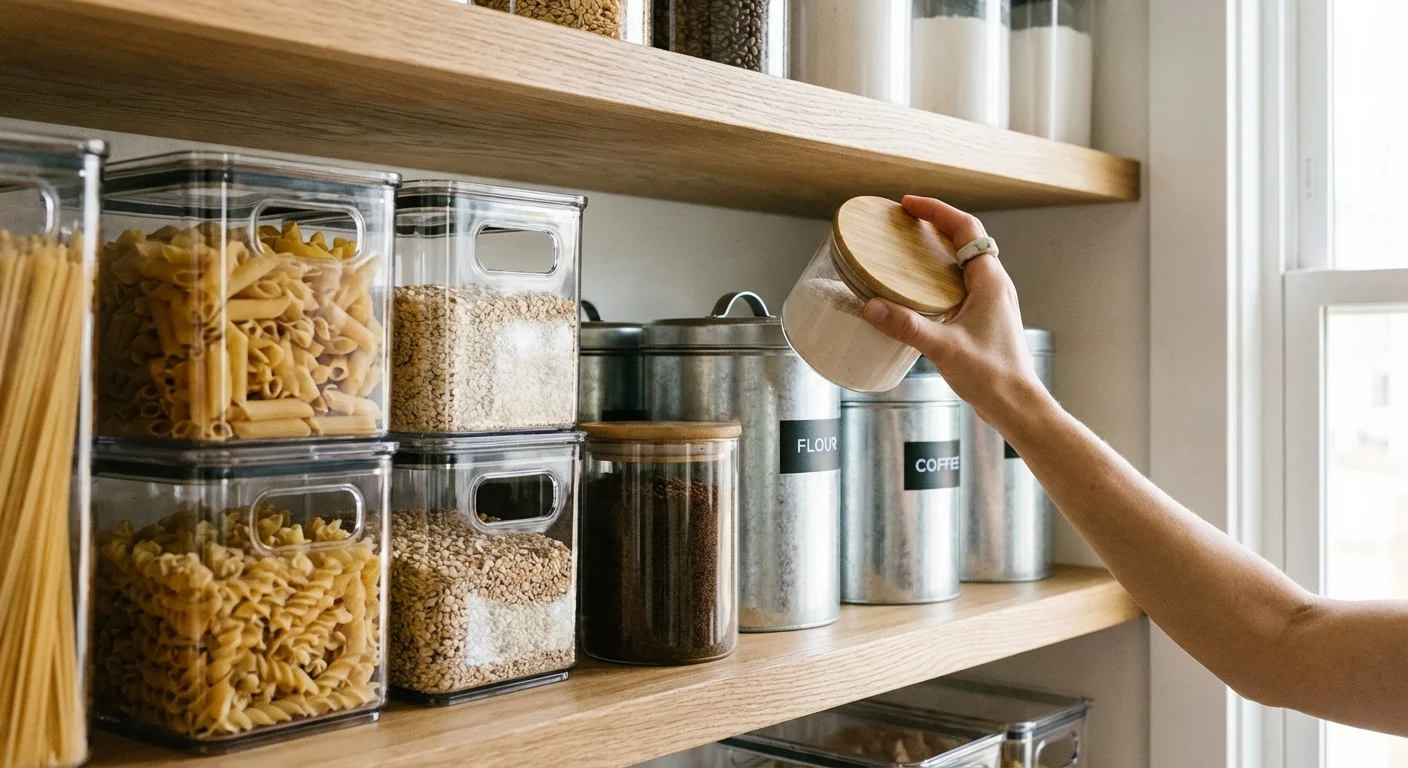
Your generosity toward local songbirds translates into an all-you-can-eat buffet for mice, rats, and raccoons. Bird seed and dry pet kibble possess incredible caloric density, and rodents possess an exceptional sense of smell to track these foods down. Leaving these items in their original paper or thin plastic bags practically guarantees an infestation. The smartest upgrade you can make for home safety and rodent prevention involves transferring all bulk animal feed into heavy-duty, lockable containers. Vault-style bins with heavy rubber gaskets keep the powerful scent of the food contained and physically block rodents from chewing their way to a meal.
4. Organic Garden Amendments
Organic gardening relies on incredibly effective, nutrient-dense fertilizers like bone meal, blood meal, and fish emulsion. While these amendments work wonders for producing vibrant roses and heavy tomatoes, they emit strong, savory odors that travel far beyond your garage walls. To scavengers, a torn bag of blood meal smells exactly like a fresh carcass. Furthermore, these fertilizers pose a significant pet safety hazard; dogs often ingest them due to the appealing scent, leading to severe gastrointestinal distress. Always secure your organic powders and liquids in heavy plastic tubs with screw-top lids, storing them on upper shelves where pets and pests cannot reach them.
5. Firewood Stacked Against the Wall
Storing firewood inside the garage offers undeniable convenience during a cold winter night, but it also imports an entire ecosystem of wood-boring pests directly into your home. Termites, carpenter ants, and wood-boring beetles live deep inside seasoned logs. When you stack this wood against your interior garage drywall, you provide these destructive pests with a direct bridge to your home’s structural framing. Additionally, the dark gaps between logs serve as prime hunting grounds for black widow and brown recluse spiders. Protect your architecture by storing the bulk of your firewood outdoors—elevated on a metal rack at least twenty feet from your foundation—and only bring in exactly what you plan to burn that day.
6. Overwintering Bulbs, Tubers, and Corms
Digging up your delicate dahlias, gladiolus, and caladiums to protect them from frost is a hallmark of excellent horticulture. Unfortunately, these fleshy tubers represent a carbohydrate-rich feast for overwintering squirrels, chipmunks, and mice. Gardeners often store these bulbs in open cardboard trays or loose peat moss, leaving them completely vulnerable. To safeguard your expensive floral investments, pack your dry tubers in breathable mesh bags and place them inside hardware cloth cages or well-ventilated metal lockboxes. This strategy provides the essential airflow needed to prevent fungal rot while establishing an impenetrable barrier against hungry teeth.
7. Damp Mops and Coiled, Leaky Hoses
Moisture serves as a universal attractant for almost all pests, including roaches, silverfish, and termites. A wet mop tossed in the corner or a coiled garden hose that slowly drips onto the concrete floor creates a permanent, localized water source. Beyond attracting insects, this standing water introduces significant home safety hazards by fostering slick spots and dangerous black mold. Install a wall-mounted utility track system to hang your wet mops and brooms so they can air dry completely. Replace worn rubber gaskets in your hoses, and utilize a sturdy hose reel to keep your watering equipment off the damp floor.
8. Unsealed Trash and Compost Bins
Your garage often serves as the holding area for household garbage and kitchen compost before collection day. Odors from food waste draw flies, maggots, and larger mammals from blocks away. If your bins lack tight-fitting lids, pests will effortlessly access the refuse, resulting in unsanitary conditions that compromise your home’s cleanliness. Upgrade to municipal-grade bins featuring locking mechanisms or heavy-duty latches. Make it a monthly habit to scrub the interior of your bins with a mixture of hot water and white vinegar to neutralize residual odors and deter flies from laying eggs.
9. Cluttered, Undisturbed Corners
Pests despise disruption; they thrive in dark, quiet environments where human activity is minimal. Piles of unused lumber, tangled extension cords, and discarded athletic equipment create shadowy labyrinths perfect for rodent nesting and spider webs. Embracing vertical organization completely eliminates this problem. Install heavy-duty, floating shelving units and wall-mounted pegboards to lift items off the ground. By keeping the floor entirely clear, you remove hiding spots, make sweeping effortless, and vastly improve the accessibility of your garage—a crucial step for anyone planning for long-term aging-in-place comfort.
10. Bulk Grass Seed
Much like bird seed, turfgrass seed provides an incredible winter foraging opportunity for mice. Homeowners frequently leave half-empty bags of fescue or Kentucky bluegrass rolled up in the corner of the garage, only to find the bag riddled with chew holes by early spring. Grass seed represents a significant financial investment in your landscaping, so protect it accordingly. Transfer leftover seed into galvanized steel trash cans with tight-fitting lids. Steel completely resists rodent teeth and keeps the delicate seeds protected from ambient humidity, ensuring excellent germination rates when you finally overseed your lawn in the fall.
11. Worn Weatherstripping and Bottom Seal Gaps
You can meticulously organize the interior of your garage, but if the exterior envelope remains compromised, pests will continually wander inside. The heavy rubber weatherstripping at the bottom of your garage door degrades over time, cracking due to temperature fluctuations and friction. A gap the size of a standard pencil is entirely sufficient for a young mouse to squeeze through. Inspect the perimeter of your garage door with a flashlight at night; if you see light shining through from the outside, you have a pest highway. Replace old rubber sweeps with thick, modern brush seals or heavy-duty vinyl astragals to physically block entry and dramatically improve your garage’s thermal insulation.
12. Old Rugs and Discarded Textiles
Many homeowners repurpose old living room rugs to catch oil drips under the car, or hang discarded blankets on the wall to prevent car doors from dinging. While practical in theory, these natural and synthetic textiles absorb environmental moisture, harbor dust mites, and provide an endless supply of plush nesting material for mice and rats. If you need a floor covering, upgrade to interlocking, non-porous rubber garage tiles. These tiles provide excellent traction to prevent slips, cushion your joints while you work at your potting bench, and offer absolutely zero value to nesting pests.