Frequently Asked Questions
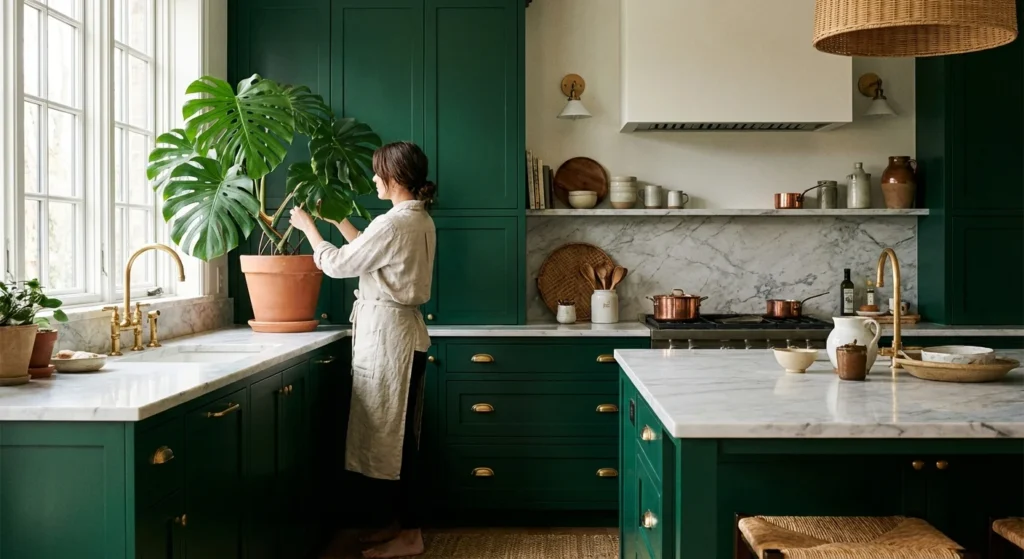
How often should I clean my range hood filter to prevent grease fires?
If you cook daily, especially if your culinary repertoire includes frying or high-heat searing, you should clean your metal mesh filters once a month. If you cook less frequently or primarily boil and steam your food, a thorough cleaning every two to three months is sufficient. Charcoal filters in ductless hoods cannot be cleaned and must be replaced every three to six months, depending on usage.
Can the grow lights for my indoor kitchen herbs really start a fire?
Yes, if improperly managed. While modern LED grow lights run significantly cooler than older incandescent or high-pressure sodium bulbs, the power adapters (drivers) can still generate substantial heat. The primary hazard arises from plugging too many grow lights, heat mats, and fans into a single power strip, which overloads the circuit. Always buy UL-listed electrical equipment and ensure adequate airflow around the light fixtures.
What is the best way to extinguish a grease fire if one starts?
Never use water on a grease fire; water will instantly vaporize, violently spreading the burning oil across your kitchen. If a pan catches fire, turn off the heat source immediately. Wearing an oven mitt, slide a metal lid or a heavy baking sheet over the pan to smother the flames by depriving them of oxygen. If the fire is spreading, deploy a Class K or ABC fire extinguisher. If you cannot contain it instantly, evacuate your home and call emergency services.
Are older appliances inherently more dangerous?
Age alone does not make an appliance dangerous, but the degradation of its components does. Older appliances are more likely to feature brittle, cracking cords, failing internal thermostats, and worn-out safety sensors. Routine appliance care and visual inspections are critical. If an old appliance sparks, emits a burning odor, or shocks you, unplug it immediately and replace it.