Smart Strategies & Upgrades
1. Curate High-Impact Curb Appeal with Native Landscaping
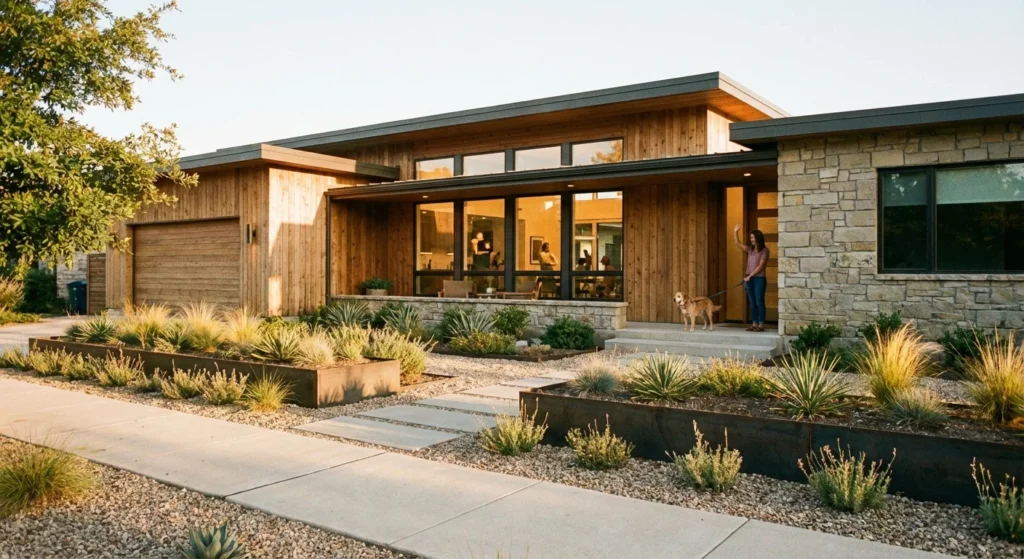
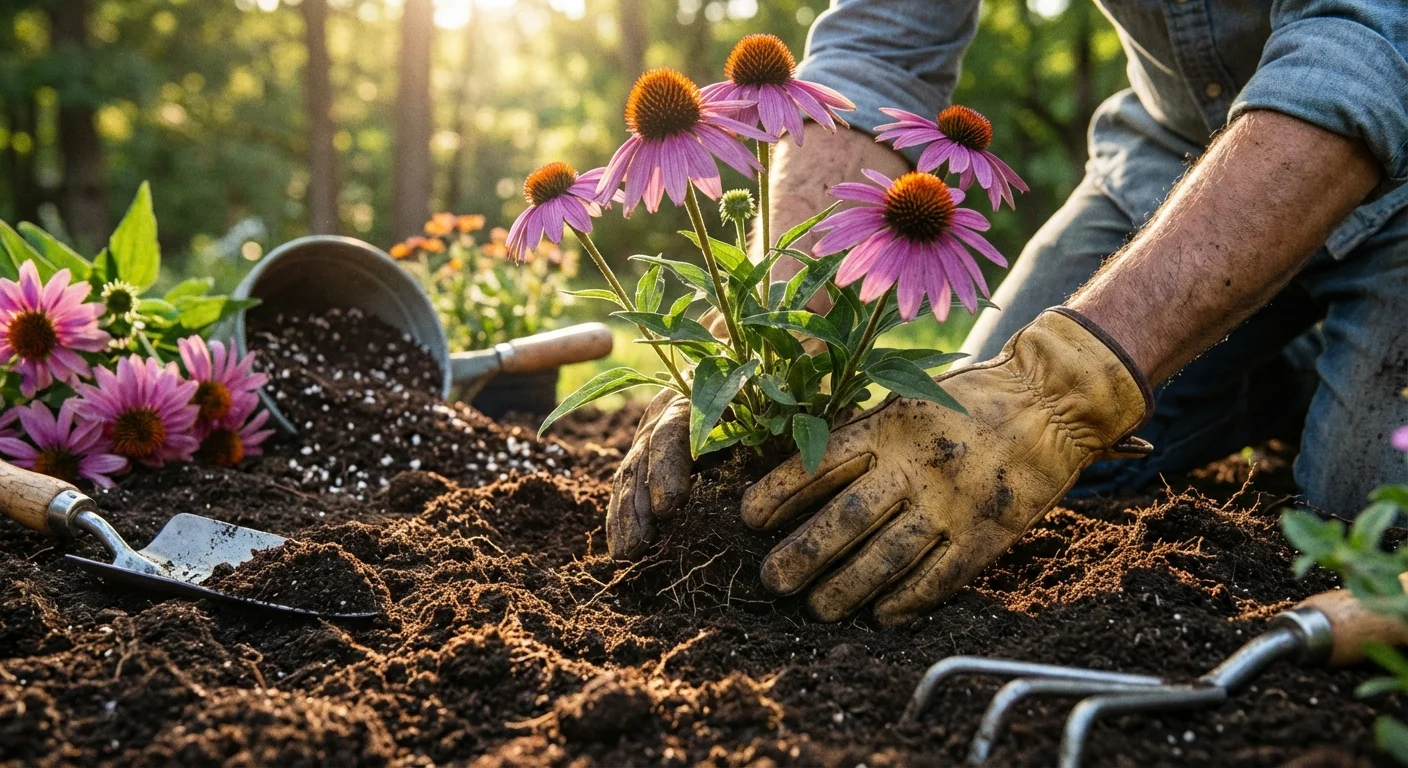
The exterior of your property provides the critical first impression for guests and potential buyers alike. Revamping your curb appeal stands as one of the most reliable resale tips in the real estate industry, often returning more than you spend. Instead of relying on resource-heavy exotic plants, focus on building a robust garden filled with native perennials. Native plants naturally adapt to your local climate, requiring significantly less water, fertilizer, and ongoing maintenance.
Start by evaluating your soil composition. Most native species thrive in well-draining, loamy soil enriched with organic matter. If your yard suffers from heavy clay or sandy patches, work a layer of organic compost into the top six inches of the soil bed. This improves percolation and encourages deep, resilient root systems. Group your plants by their specific light and water requirements—a practice known as hydrozoning. Place drought-tolerant specimens like Coneflower or Black-eyed Susan in full-sun zones, reserving shade-loving ferns for the sheltered areas beneath mature trees.
While planting, you must observe crucial structural cautions. Never plant large shrubs or trees too close to your home. Aggressive root systems can compromise the integrity of your foundation, while branches touching the siding provide an easy bridge for pests. Always leave a clearance zone of at least three feet between your exterior walls and your garden beds to protect your property improvement investment.
2. Cultivate a Biophilic Indoor Experience for Staging
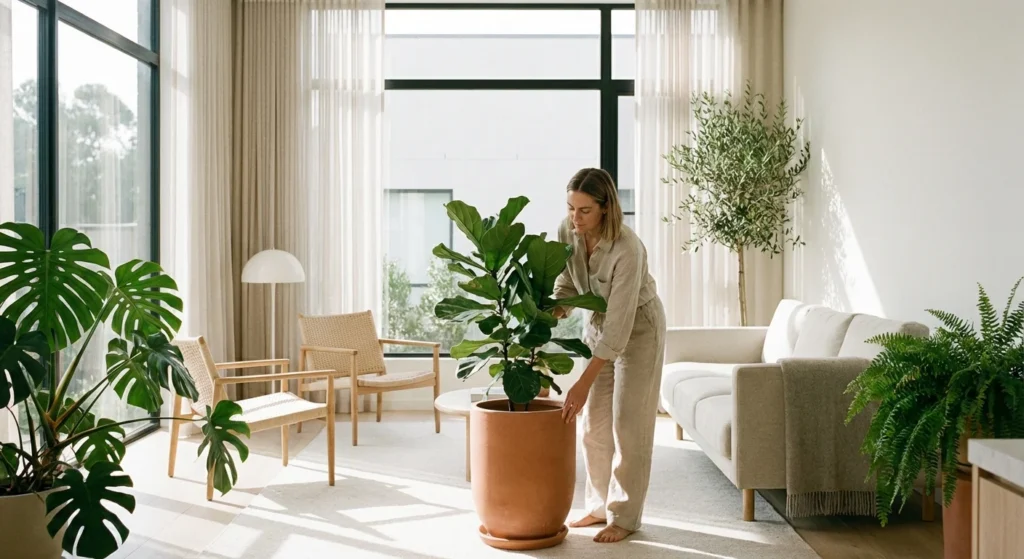
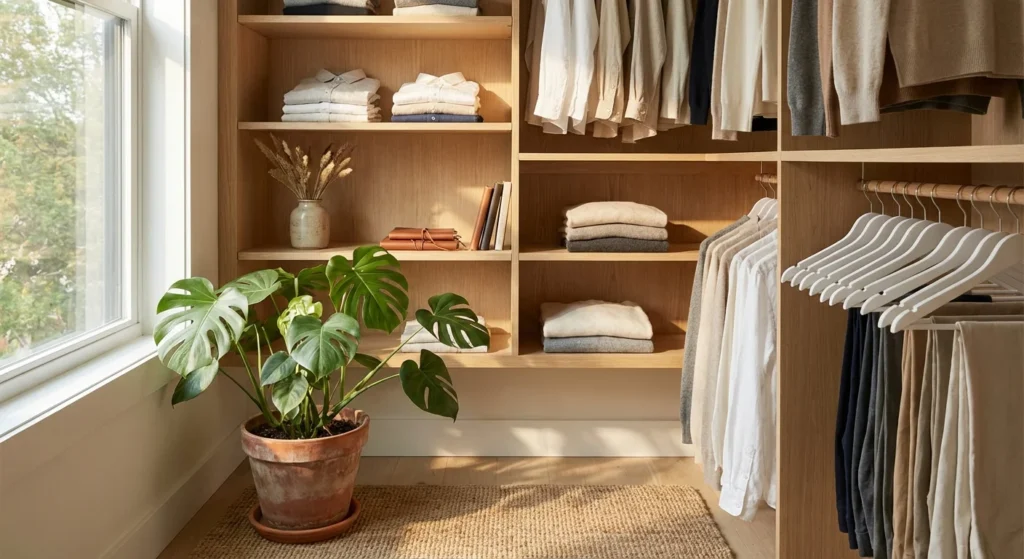
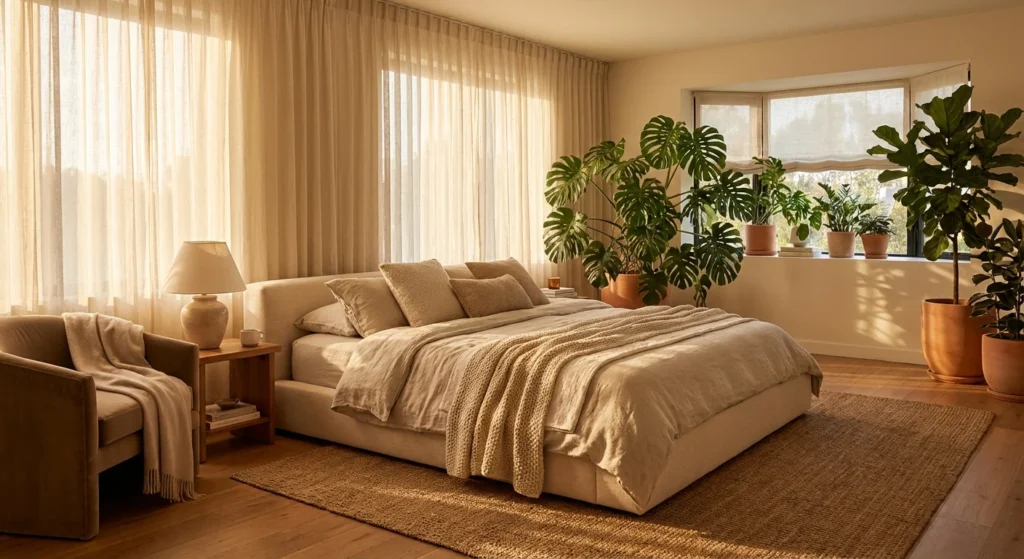
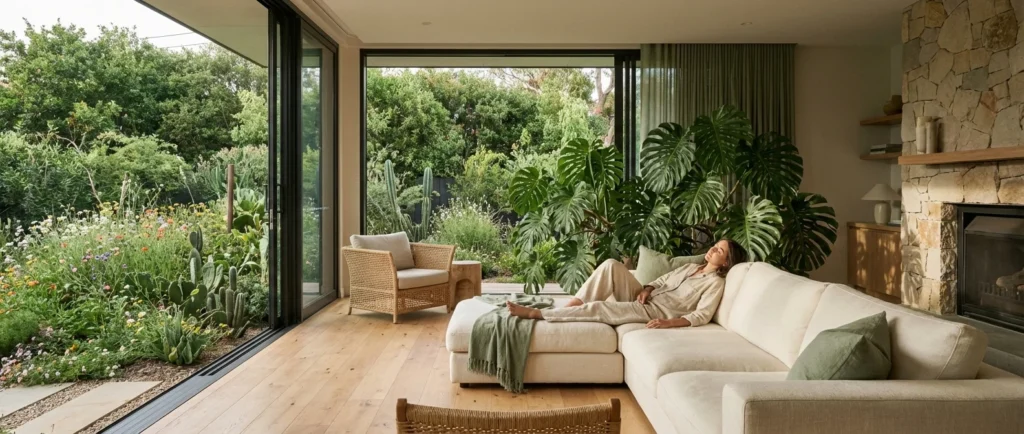
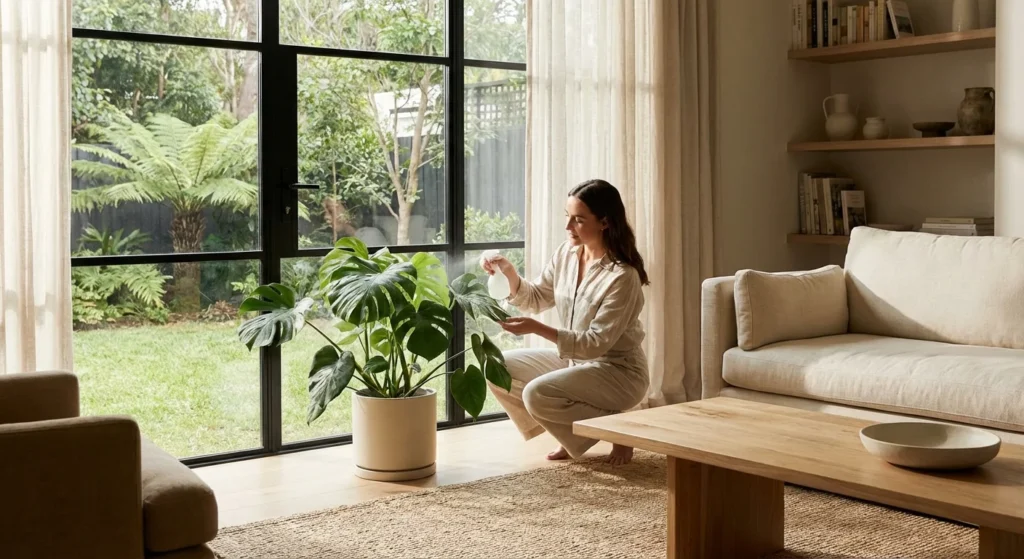
Biophilic design integrates natural elements into the built environment, creating a sense of calm and well-being. Homes that feature healthy, thriving houseplants often feel cleaner, brighter, and more inviting to prospective buyers. Integrating an indoor jungle serves as a brilliant, low-cost staging strategy that instantly boosts your home value without requiring structural changes.
Focus on bold, architectural plants that make a visual statement while remaining easy to care for. The Cast Iron Plant (Aspidistra elatior) and the Snake Plant (Sansevieria trifasciata) offer striking vertical lines and tolerate a wide range of indoor conditions. Provide these resilient beauties with bright, indirect light—roughly equivalent to the illumination found a few feet away from an east-facing window. Water them only when the top two inches of their potting mix feel completely dry to the touch, as overwatering remains the leading cause of houseplant failure.
When curating your indoor garden, always prioritize pet safety. Many popular houseplants, such as lilies and certain philodendrons, pose severe toxic risks to cats and dogs. Opt for stunning, non-toxic alternatives like the Spider Plant, the Boston Fern, or the vibrant Calathea. Furthermore, consider allergen implications; avoid introducing flowering plants with heavy pollen loads into enclosed spaces, focusing instead on broad-leafed foliage plants that trap ambient dust and improve indoor air quality.
3. Refresh Your Entryway with Paint and Container Gardens
A welcoming entryway sets a positive tone before anyone even turns the doorknob. Applying a fresh coat of high-quality exterior paint to your front door is a classic budget upgrade. Choose a bold, contrasting color—such as a deep navy, rich forest green, or vibrant terracotta—to establish a strong focal point against your home’s neutral siding.
Frame this newly painted door with symmetrical container gardens. Using large planters allows you to introduce sophisticated greenery to hardscaping elements like porches and patios. Employ the “thriller, filler, spiller” design technique for maximum visual impact. Use a pet-safe Majesty Palm or a structured Japanese Aralia as your upright thriller, surround it with colorful Coleus as your filler, and allow Creeping Jenny to cascade dramatically over the edges as your spiller.
You must carefully manage the weight of these container gardens, especially if you have a wooden porch or a raised deck. Wet soil and heavy ceramic pots can exert immense downward pressure, potentially causing structural sagging over time. Protect your decking by utilizing lightweight fiberglass or resin planters. Fill the bottom third of the container with empty plastic bottles or packing peanuts to reduce the volume of heavy, saturated potting soil while maintaining excellent drainage.
4. Implement Subtle Aging-in-Place Modifications
Incorporating universal design and aging-in-place ideas dramatically widens the pool of interested buyers when you eventually sell. These comfort improvements make the home safer and more accessible for people of all ages and mobility levels. Fortunately, modern accessible design looks sleek and intentional, rather than institutional.
Begin with your hardware. Swap out traditional round doorknobs for stylish, lever-style handles. Lever handles require far less grip strength and dexterity, making them an elegant solution for carrying heavy groceries or assisting an elderly relative. Apply this same logic to your plumbing fixtures by installing single-lever faucets in the kitchen and bathrooms.
In the bathroom, reinforce safety without sacrificing aesthetics. Install modern, matte-black or brushed-nickel grab bars that seamlessly double as towel racks. Ensure your flooring transitions are smooth to eliminate tripping hazards, and consider adding clear, slip-resistant treatments to tile floors. These budget upgrades signal to buyers that the home is a secure, long-term sanctuary, directly increasing its market desirability.
5. Upgrade Kitchen and Bathroom Hardware While Adding Greenery
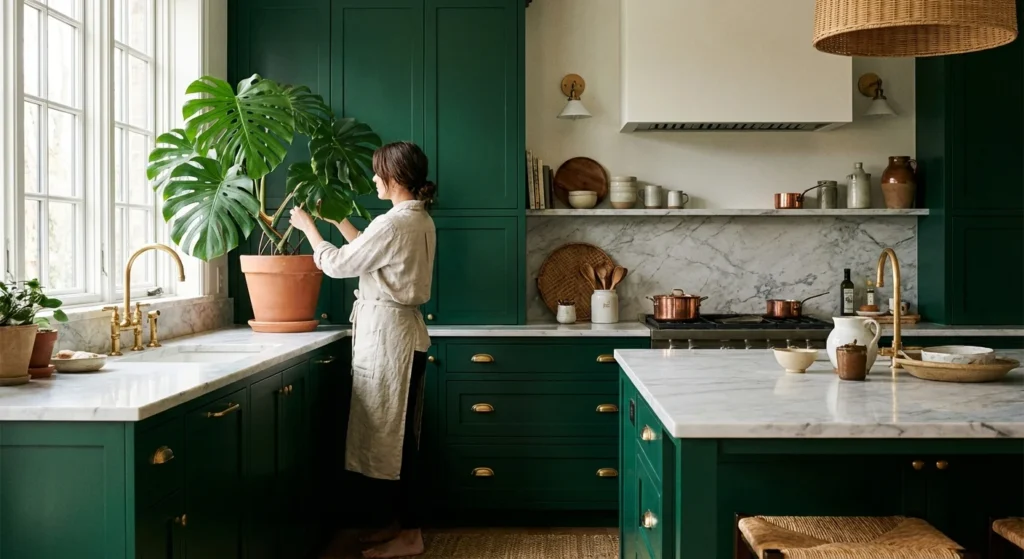
Kitchens and bathrooms sell houses, but full renovations easily deplete your savings. You can achieve a remarkably similar modernized effect through budget upgrades focused on hardware and styling. Replace dated, builder-grade cabinet pulls and drawer knobs with contemporary fixtures. Matching your cabinet hardware to your lighting fixtures creates a cohesive, high-end designer look for just a few hundred dollars.
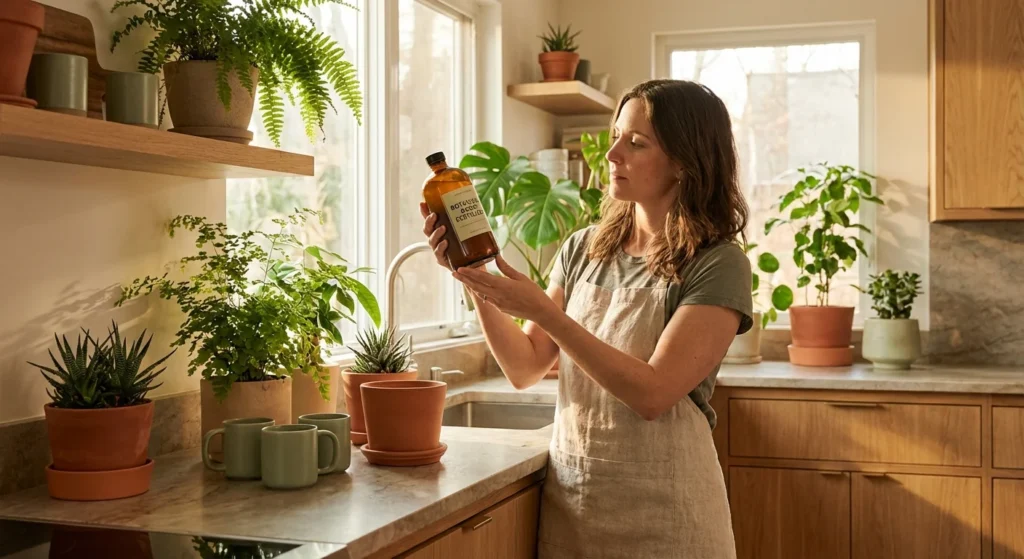
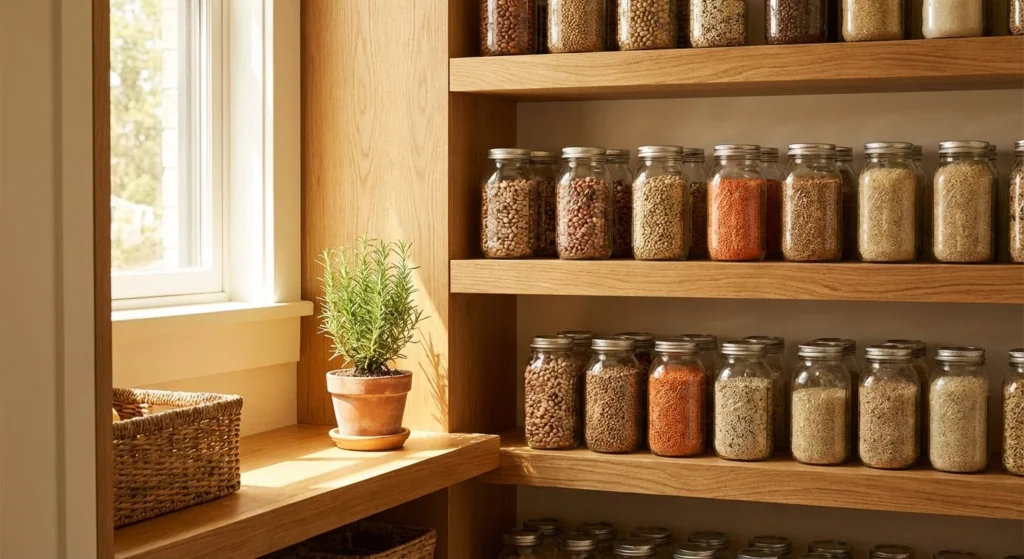
Enhance these newly refreshed spaces with purposeful greenery. The kitchen provides the perfect microclimate for a functional indoor herb garden. Set up a collection of terracotta pots on a bright, south-facing windowsill. Basil, oregano, and thyme thrive in these sunny spots, requiring consistent moisture and excellent drainage. Ensure every pot features a drainage hole to prevent water from pooling at the roots, which quickly leads to fungal disease.
Bathrooms offer an entirely different growing environment. The naturally high humidity generated by daily showers creates an ideal habitat for moisture-loving tropicals. Suspend a lush Bird’s Nest Fern or a trailing Peperomia from the ceiling to draw the eye upward and make the room feel taller. Keep trailing plants trimmed and elevated; even pet-safe varieties can cause mild stomach upset if a curious dog or cat ingests large quantities of foliage.
6. Install Smart, Eco-Friendly Ambient Lighting
Proper illumination fundamentally changes how a space feels and functions. Upgrading to smart, energy-efficient LED lighting represents a brilliant smart investment that appeals to environmentally conscious buyers. Install smart bulbs in your primary living areas, allowing you to control color temperature and brightness via a smartphone app. Warm, dimmable lighting in the evenings cultivates a relaxing atmosphere, while bright, cool lighting energizes a home office during the day.
Extend your lighting strategy to the exterior landscape. Well-placed outdoor lighting highlights your property’s best architectural features and showcases mature specimen trees after the sun goes down. Use low-voltage LED spotlights to uplight the textured bark of a River Birch or the delicate canopy of a Japanese Maple. Line your front walkways with solar-powered path lights to improve nighttime navigation and overall safety.
When installing hardwired outdoor lighting, always exercise caution. Never dig deep trenches for electrical cables without first contacting your local utility companies to mark underground gas and water lines. Additionally, angle your outdoor spotlights thoughtfully to minimize light pollution; ensure the beams highlight your landscaping without shining directly into your neighbors’ windows or the eyes of passing drivers.
7. Define Outdoor Living Zones with Privacy Planting
Creating functional outdoor rooms effectively expands your home’s livable square footage, providing a massive boost to your property value. Buyers actively seek out private, serene patios where they can entertain friends or relax with a morning coffee. You can establish these defined zones using strategic privacy planting rather than building expensive, permit-requiring fences.
Install sturdy, freestanding trellises around the perimeter of your patio and train fast-growing, non-invasive climbing vines up the lattice. Star Jasmine serves as an exceptional choice in warmer climates, offering dense, evergreen foliage and intensely fragrant white blossoms. Ensure you plant the vines in nutrient-rich soil mixed with slow-release granular fertilizer to encourage vigorous vertical growth. Water deeply at the base of the plant to promote downward root expansion.
You must protect your home’s exterior when utilizing climbing vines. Never allow aggressive clingers, such as English Ivy or creeping fig, to attach directly to your wooden siding or brick mortar. These plants utilize aerial rootlets that penetrate tiny cracks, trapping moisture against your home and causing severe structural degradation over time. Keep all trellises positioned at least a foot away from your primary exterior walls to maintain healthy airflow and protect your siding.