Smart Strategies & Upgrades
Implementing a successful bathroom remodel requires looking beyond mere cosmetics. You must address the underlying functionality of the room. The following five upgrades elevate the user experience, optimize the microclimate for spectacular indoor greenery, and stand out as exceptional resale tips for prospective buyers.
1. High-Efficiency Window and Skylight Expansions
Natural light remains one of the most coveted features in residential real estate. Bathrooms often suffer from small, poorly placed windows that leave the space feeling cavernous and unwelcoming. Expanding an existing window, installing a transom window in the shower, or cutting in a strategic skylight dramatically alters the room’s ambiance. High-efficiency, double-paned glass ensures you gain abundant sunshine without sacrificing thermal insulation or driving up your energy bills.
From a botanical perspective, maximizing light levels unlocks your ability to grow stunning, high-humidity houseplants. Most tropicals require bright, indirect light to photosynthesize effectively and maintain robust root systems. A well-placed frosted skylight diffuses intense ultraviolet rays, creating the perfect canopy-like illumination for a Bird’s Nest Fern (Asplenium nidus) or a cascading Golden Pothos (Epipremnum aureum). If you expand a south-facing window, you can support sun-loving varieties, provided you use an adjustable sheer blind to protect tender foliage from afternoon scorching.
When altering exterior walls or roofs, you must heed serious structural cautions. Always hire a licensed contractor to ensure proper header sizing above new windows and flawless flashing around skylights. Water intrusion from a poorly sealed skylight will cause catastrophic rot within your roof deck. Done correctly, however, flooding your bathroom with natural light offers an immediate, visceral boost to your home value while giving your plant collection the vital energy it needs to flourish.
2. Universal Design Walk-In Showers
The era of stepping over a cumbersome bathtub wall to take a daily shower is ending. Converting a cramped tub-shower combo into a spacious, curbless walk-in shower represents a major leap forward in both luxury and accessibility. This is a premier aging in place upgrade; eliminating the tripping hazard at the shower threshold ensures the space remains safe and functional for individuals with varying mobility levels. Buyers increasingly seek out these inclusive, universal design features.
A beautifully tiled walk-in shower also provides an extraordinary environment for specific botanical additions. Consider installing a sturdy, built-in bench. Not only does a bench provide essential seating for comfortable grooming and long-term accessibility, but it also serves as a perfect stage for humidity-obsessed plants. Moth Orchids (Phalaenopsis) thrive in the ambient steam of a daily shower. Furthermore, orchids are entirely non-toxic, addressing crucial pet safety concerns if your curious cat sneaks into the bathroom to lap up puddles.
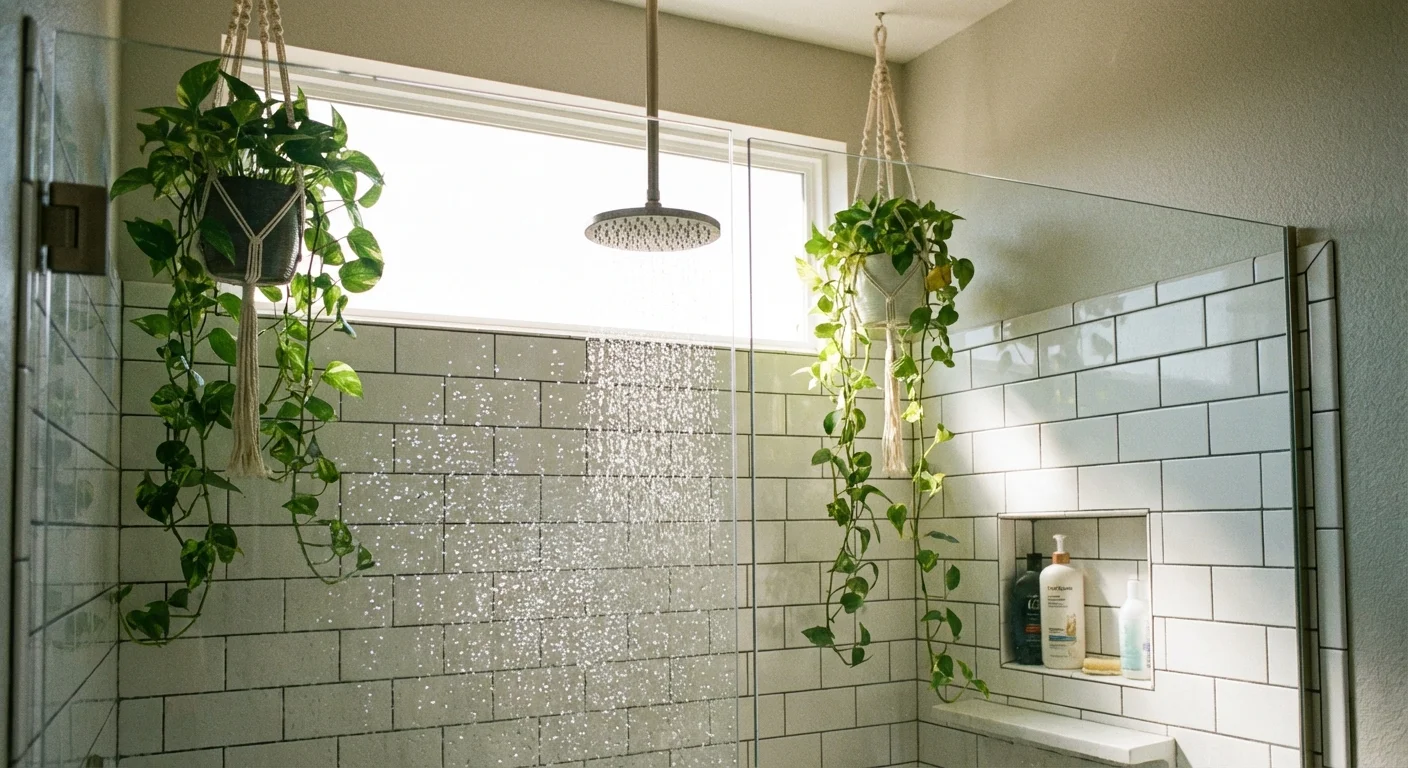
To maximize this feature, specify built-in wall niches for your shampoos and soaps, keeping the bench clear for seating or decorative cachepots. If you hang plants—like a bundle of fresh eucalyptus from the showerhead—ensure you use rust-resistant stainless steel hooks. Pay strict attention to the waterproofing membrane behind your tile. A curbless shower demands a perfectly sloped floor pan and premium waterproofing extending well beyond the splash zone to protect your joists from moisture damage.
3. Advanced, Sensor-Driven Ventilation Systems
Homeowners frequently underestimate the power of superior ventilation. An underperforming builder-grade exhaust fan sounds like a jet engine while failing to pull sufficient moisture from the air. Upgrading to a whisper-quiet, high-CFM (cubic feet per minute) ventilation fan equipped with a humidity sensor is one of the smartest, most cost-effective renovation ideas you can execute. The sensor automatically activates the fan when moisture levels peak, ensuring the room dries out completely even if you forget to flip the switch.
Proper air circulation is non-negotiable for a healthy home and a healthy indoor garden. While bathroom plants love ambient humidity, stagnant, damp air breeds a host of problems. Without moving air, condensation settles on plant leaves, inviting fungal diseases like powdery mildew and bacterial leaf spot. A high-quality ventilation system stimulates transpiration—the process by which plants pull water up from their roots and release it as vapor—keeping their vascular systems active and healthy.
From a resale perspective, an immaculate, mold-free bathroom is paramount. Peeling paint, mildewed grout lines, and warped baseboards instantly deter buyers and decrease home value. A sensor-driven fan protects your investment in drywall and custom cabinetry while perfectly balancing the atmospheric needs of moisture-loving tropicals like the Calathea or Prayer Plant. Ensure your contractor vents the exhaust directly to the exterior of your home; never vent bathroom air into an attic, as this guarantees structural rot.
4. Floating Vanities and Resilient Countertops
Replacing a bulky, floor-to-ceiling cabinet with a sleek floating vanity instantly modernizes the room, creating an illusion of expansive floor space. This visual trick makes even tight bathrooms feel airy and bespoke. Pairing a floating vanity with a durable, non-porous countertop material—like engineered quartz or solid surface composite—provides an elegant focal point that withstands daily wear and tear beautifully.
A sturdy, wall-anchored vanity is exceptionally practical for plant enthusiasts. Deep, durable countertops easily bear the weight of heavy, water-filled ceramic planters without bowing. When arranging plants near your sink, pay close attention to soil composition and watering cadence. Use a well-draining, chunky aroid mix—incorporating generous amounts of perlite, orchid bark, and horticultural charcoal. This custom soil composition prevents waterlogging and ensures rapid drainage, stopping root rot in its tracks.
Because you want to protect your pristine new vanity from muddy water stains, always utilize the “cachepot” method. Keep your plant in a lightweight plastic nursery pot with drainage holes, and slip that into a decorative, sealed ceramic container. When it is time to water, lift the plastic pot out, water it directly in your new walk-in shower or sink, let it drain completely, and return it to the display pot. This simple routine keeps your beautiful countertops spotless and your plant’s root system perfectly aerated.
5. Slip-Resistant Flooring and Radiant Heating
Cold, slippery bathroom floors ruin the spa experience and pose significant safety risks. Upgrading your flooring to a textured, slip-resistant porcelain tile addresses both style and security. For aging in place, flooring with a high dynamic coefficient of friction grips bare feet securely, drastically reducing the likelihood of dangerous falls on wet surfaces. Tile also offers massive allergen considerations; unlike plush bathroom rugs that trap dust mites, pet dander, and mold spores, hard surfaces wipe clean in seconds.
To counteract the natural chill of stone or porcelain, install an electric radiant floor heating system beneath the tile. Stepping onto a perfectly warm floor on a freezing winter morning delivers unmatched luxury and serves as a powerful selling point that drives up your home value. The installation requires stripping the floor down to the subfloor, making it an ideal upgrade to tackle during a comprehensive bathroom remodel.
Your botanical companions will also thank you for this luxurious upgrade. Professional horticulturists frequently utilize bottom heat on propagation mats to stimulate rapid, robust root growth in seedlings and cuttings. Radiant floor heating gently warms the root zone of large floor specimens—like a towering Ficus or an indestructible Cast Iron Plant (Aspidistra elatior). This subtle bottom heat mimics the warm soils of their native tropical habitats, encouraging vibrant, continuous foliage growth even during the darkest winter months.