Tools, Materials, and Prep Checklist
Success starts with the right materials and proper site preparation. Because you will grow a variety of different species—ranging from drought-tolerant Mediterranean herbs to moisture-loving tropical grasses—you need versatile supplies. Gather the following tools before you visit the nursery.
Essential Gardening Tools:
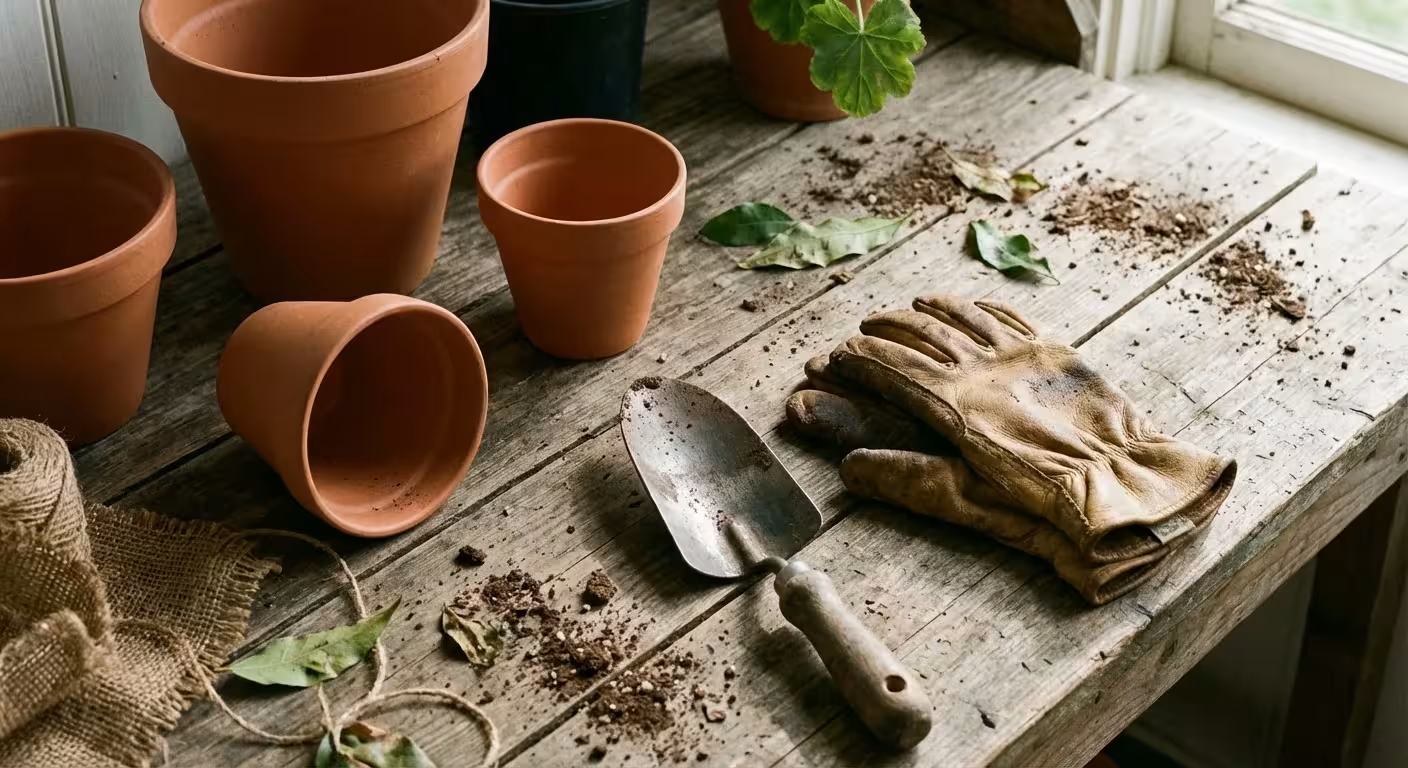
Keep a sharp pair of bypass pruners on hand; frequent trimming encourages these plants to release their fragrant oils. You also need a sturdy hand trowel for digging, heavy-duty gardening gloves to protect your hands from soil pathogens, and a watering can with a rosette spout for gentle, even moisture distribution.
Planters and Containers:
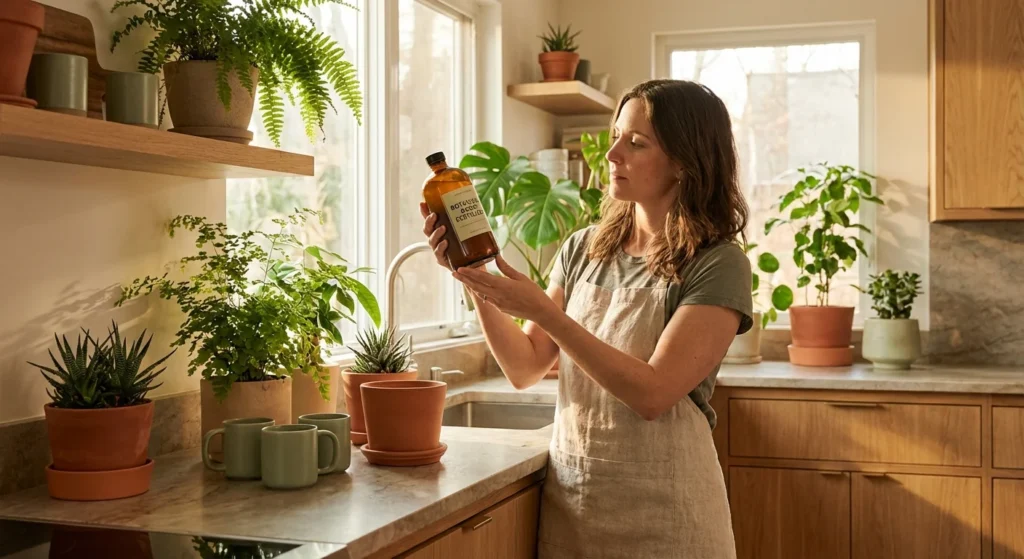
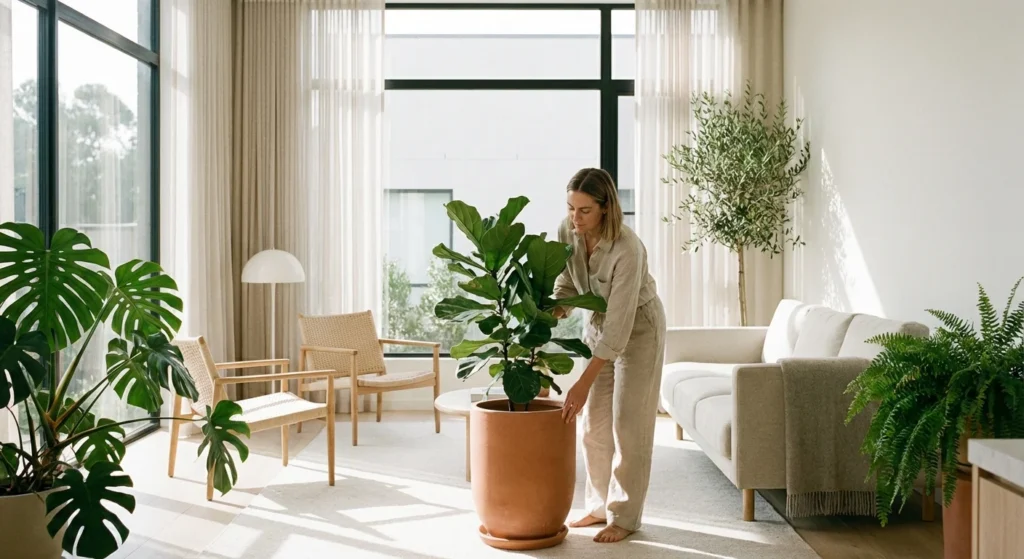
Purchase unglazed terracotta pots with large drainage holes. Terracotta breathes, preventing moisture from pooling at the roots—a critical feature since stagnant water acts as a breeding ground for the exact pests you want to repel. Select varying sizes, from six-inch pots for small herbs to twenty-four-inch containers for large grasses.
Soil Strategies and Amendments:
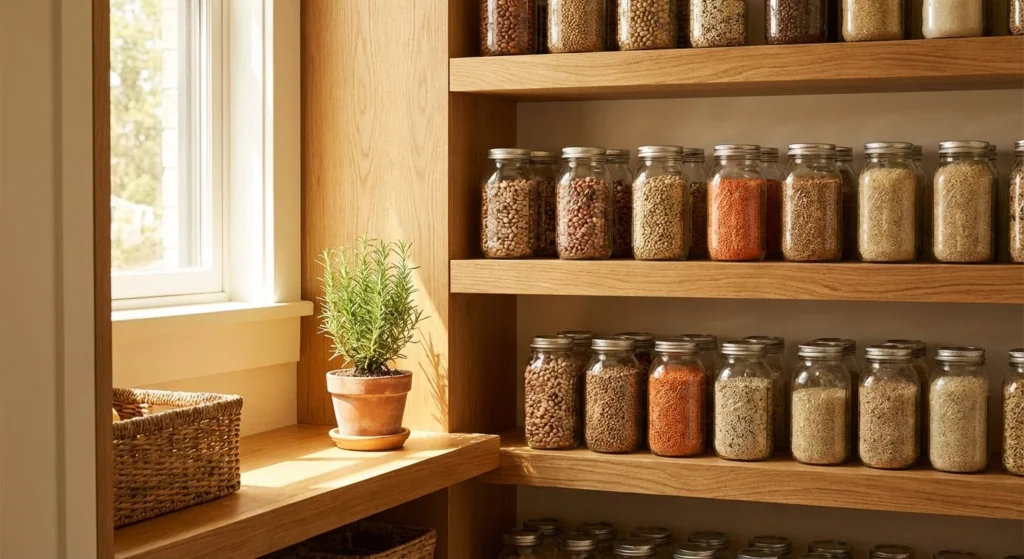
Do not use heavy garden topsoil in your pots. Instead, invest in a premium, well-draining potting mix. Pick up a bag of horticultural perlite or coarse sand to mix into the soil for your Mediterranean herbs like lavender and rosemary, which require rapid drainage. For nutrient-hungry plants like basil, grab a bag of organic compost to enrich the soil profile.
Site Preparation and Safety Checks:
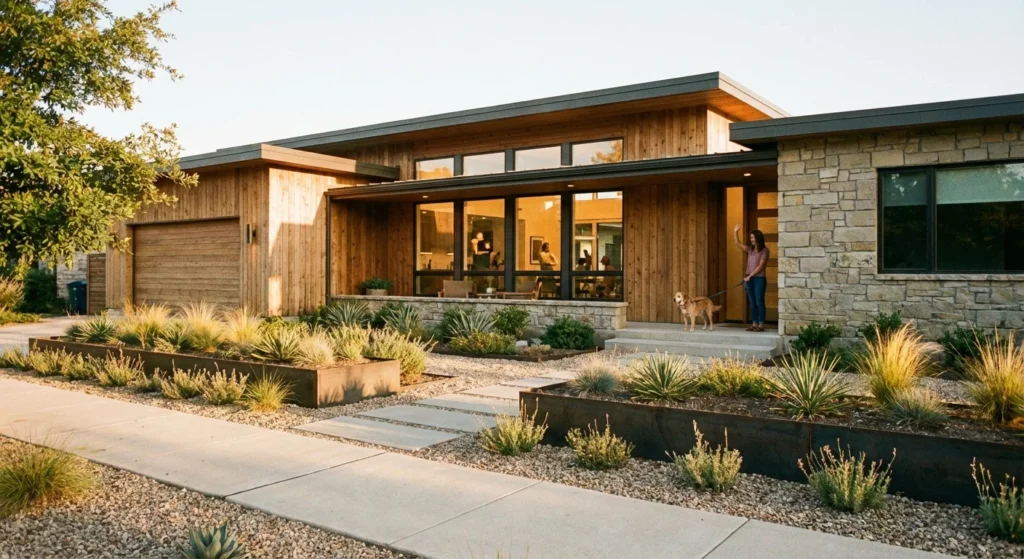
Evaluate your outdoor spaces to determine sunlight patterns. Most repellent plants require six to eight hours of direct sunlight daily to produce the dense oils necessary to deter bugs. Before finalizing your layout, cross-reference your chosen plants with pet safety databases. Several highly effective pest-repelling plants carry toxicity risks for curious dogs and cats if ingested, requiring strategic placement on high tables or sturdy plant stands.