Step-by-Step Project Plan
Transforming your space requires a phased approach, starting with anchoring your outdoor landscape and moving inward to enhance your home interior. Follow these steps to establish ten of the most resilient plants available.
Step 1: Anchor Your Yard with Yarrow (Achillea millefolium)
Begin your landscaping refresh in the sunniest, driest spot of your yard. Yarrow is a rugged perennial boasting flat clusters of vibrant flowers and fern-like foliage. It thrives in poor, rocky soil where other plants wither. Dig a hole just as deep as the nursery pot, place the plant, and backfill with your native soil—avoid adding rich compost, as yarrow prefers lean conditions. Water deeply once upon planting, and then let rainfall take over. Safety note: Yarrow is toxic to dogs, cats, and horses, potentially causing increased urination and vomiting if ingested.
Step 2: Illuminate Shady Corners with Hostas
Move to the shaded areas beneath your companion trees or along the north side of your home. Hostas are the undisputed champions of shade gardening, offering massive, textured leaves in shades of lime, blue-green, and variegated white. They require organically rich soil to thrive. Amend your planting site with a generous layer of compost. Provide them with one inch of water per week, ensuring the soil remains moist but never soggy. Safety note: Hosta foliage is toxic to cats and dogs, so monitor your pets when they roam the yard.
Step 3: Build Texture with Sedum Autumn Joy
For late-season color and architectural interest, integrate Sedum into your sunny borders. This fleshy succulent stores water in its leaves, making its watering cadence extremely relaxed. Plant Sedum in highly aerated, well-draining soil—incorporate sand or gravel if your ground is heavy. Water it only during prolonged droughts. As a bonus, Sedum is completely non-toxic and perfectly safe for households with curious pets.
Step 4: Attract Pollinators with Purple Coneflower (Echinacea)
Establish a vibrant focal point with Purple Coneflowers. Known for their distinct, drooping purple petals and spiky central cones, these native perennials develop deep taproots that make them impervious to summer heatwaves. Plant them in an area receiving at least six hours of full sun. They tolerate a wide variety of soil strategies, from loamy to clay, provided there is adequate drainage. Coneflowers are non-toxic to pets and serve as a vital food source for local butterflies and bees.
Step 5: Define Pathways with Liriope (Lilyturf)
Finish your outdoor phase by establishing clean borders along walkways using Liriope. This grass-like perennial forms dense clumps that choke out weeds and control soil erosion. It handles full sun to deep shade and forgives erratic watering schedules, though it appreciates a moderate soak every two weeks during high summer. Liriope is robust, practically immune to pests, and entirely safe for cats and dogs.
Step 6: Elevate Home Decor with the ZZ Plant (Zamioculcas zamiifolia)
Transition indoors by tackling your lowest-light spaces. The ZZ plant features glossy, architectural wands of leaves that look almost artificial. It stores massive amounts of water in its potato-like rhizomes beneath the soil. Use a standard potting mix cut with fifty percent perlite. You only need to water this plant when the soil is completely bone dry—often once every three to four weeks. Safety note: All parts of the ZZ plant are toxic to humans and pets; keep it elevated or out of reach.
Step 7: Purify the Air with a Snake Plant (Sansevieria)
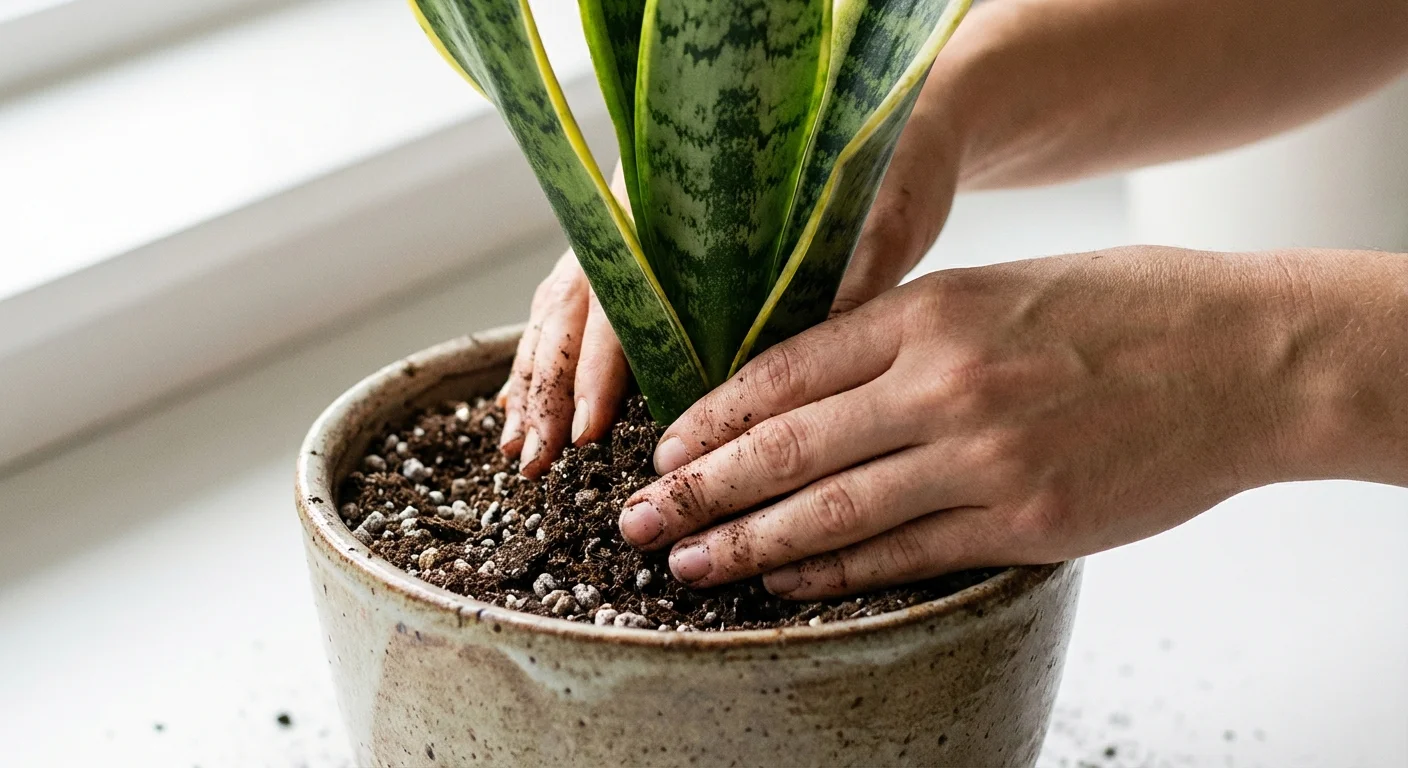
Introduce striking vertical lines to your bedroom or home office with a Snake Plant. Capable of surviving in dark corners or direct sun, it is the ultimate adaptable specimen. Pot it in a coarse succulent mix inside a terracotta pot. Water it only when the top three inches of soil feel completely dry to the touch. Safety note: The saponins in Snake Plants are mildly toxic, causing gastrointestinal upset in cats and dogs if chewed.
Step 8: Drape High Shelves with Pothos (Epipremnum aureum)
For dynamic trailing greenery, place a Pothos on top of a bookshelf or inside a hanging macrame planter. Pothos visibly communicate their needs; their leaves will begin to droop slightly when they require water, taking the guesswork out of your routine. They thrive in standard indoor potting soil and bright, indirect light, but easily adapt to harsh fluorescent office lighting. Safety note: Pothos contain insoluble calcium oxalates, making them toxic to pets; utilizing high shelves naturally prevents unwanted nibbling.
Step 9: Multiply Your Greenery with Spider Plants (Chlorophytum comosum)
Add explosive volume to your living room with a Spider Plant. Preferring bright, indirect light, they constantly produce small “pups” on trailing stems that you can easily propagate into new plants. Plant them in well-draining loam and water them thoroughly once the top inch of soil dries out. Avoid tap water with heavy fluoride, which can cause brown leaf tips. Spider plants are non-toxic, making them a worry-free addition to pet-friendly households.
Step 10: Master the Shadows with the Cast Iron Plant (Aspidistra elatior)
Complete your indoor collection with a plant that truly lives up to its name. The Cast Iron Plant withstands dust, drafts, low light, and severe under-watering. Pot it in a rich but well-draining soil mix, and place it in that awkward, dim corner of your hallway where nothing else survives. Water it moderately, allowing the top two inches of soil to dry out between sessions. This elegant, broad-leafed beauty is completely non-toxic to dogs and cats.