
Step-by-Step Project Plan
Creating an impenetrable oasis requires a multi-layered defense system. By implementing a combination of the following ten upgrades, you significantly decrease the likelihood of wildlife treating your landscape as a dining room.
1. Install an Eight-Foot Exclusion Fence. The most foolproof method of keeping deer out of your yard is a physical barrier they cannot jump over. Because white-tailed deer are incredibly agile, standard four-foot or six-foot fences will not suffice; you must aim for a minimum height of eight feet. Use UV-treated black polypropylene mesh attached to sturdy posts. The black mesh virtually disappears against a wooded backdrop, preserving your sightlines while blocking access. Dig your post holes at least two feet deep, set your posts in concrete, and pull the mesh taut to prevent sagging. Secure the bottom edge tightly to the ground with landscaping staples so resourceful deer cannot simply slide underneath.
2. Build a Double-Fence System. If local zoning laws prohibit eight-foot fences, you can exploit a deer’s poor depth perception by building two shorter fences. Install two four-foot fences spaced exactly four to five feet apart. While a deer can easily clear a four-foot hurdle, the animal cannot judge if it has enough space to land and take off again between the two barriers. This psychological trick paralyzes them, causing them to turn away rather than risk jumping into a trap.
3. Deploy Motion-Activated Sprinklers. When physical fences are not an option, rely on the element of surprise. Motion-activated sprinklers detect the heat and movement of an approaching animal and instantly fire a loud, pulsating burst of water. Position these units at entry points, such as the edge of the woods or along heavily trafficked deer trails. Connect them to a reliable garden hose, test the sensor range, and adjust the spray arc to cover vulnerable planting beds. The sudden noise and splash startle the deer without causing them any physical harm.
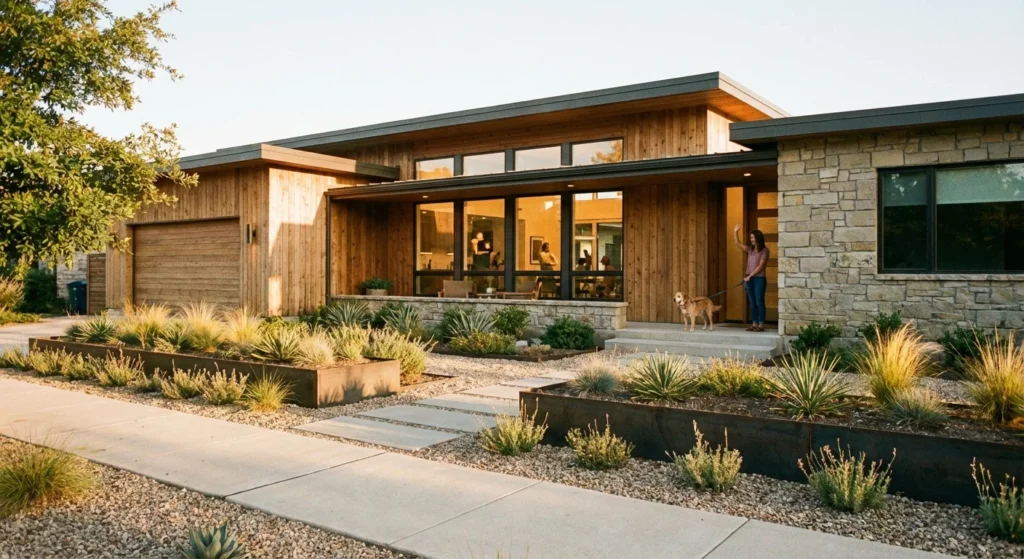
4. Plant a Mediterranean Scent Perimeter. Deer rely heavily on their acute sense of smell to detect predators and identify palatable food; you can weaponize this trait by planting heavily scented flora. Line the perimeter of your property with aromatic herbs like lavender, rosemary, Russian sage, and thyme. These plants contain volatile oils that overwhelm a deer’s olfactory senses, making it difficult for them to smell anything else in your yard. Ensure you amend the soil with sand and fine gravel, as these Mediterranean natives require excellent drainage to thrive.
5. Incorporate Unfavorable Textures. Deer have highly sensitive muzzles and actively avoid grazing on foliage with rough, hairy, or prickly textures. Upgrade your vulnerable borders by interplanting species like lamb’s ear, dusty miller, and Siberian bugloss. The fuzzy, felt-like leaves of these plants are highly unappealing to a foraging deer. Similarly, plants with coarse, leathery leaves or spiky fronds—such as globe thistle and sea holly—provide excellent textural deterrence while adding architectural interest to your garden beds.
6. Utilize Toxic but Beautiful Spring Bulbs. Deer love to devour tender spring tulips, but they completely ignore daffodils, alliums, and snowdrops. These alternative bulbs contain alkaloid compounds that are toxic to foraging wildlife. By clustering these brilliant bloomers around your more vulnerable plants, you create a beautiful, protective ring. A brief caution for pet owners: The compounds in daffodils and foxgloves are also highly toxic to domestic dogs and cats, so avoid planting them if your pets have a habit of digging or chewing in the garden.
7. Establish Invisible Fishing Line Barriers. For a low-cost, virtually invisible deterrent, string heavy-duty, clear fishing line tightly around the perimeter of specific garden beds. Drive thin stakes into the ground and run the line at two heights: roughly two feet and four feet off the ground. When a deer approaches the bed in the dark, it will bump its chest or nose into an unseen barrier. Because they cannot see what is touching them, the encounter typically spooks them enough to send them running.
8. Rotate Commercial Repellent Stations. Granular and liquid repellents are highly effective when used strategically, but deer quickly adapt to a single scent. Set up a regular spraying schedule, applying a putrescent egg-based spray on the first of the month, and a spicy capsaicin-based spray two weeks later. Focus your application on new, tender growth, as this is the most attractive part of the plant. Always reapply liquid repellents immediately after heavy rainstorms to maintain a consistent barrier.
9. Wrap and Guard Vulnerable Trees. Autumn is the most dangerous season for young trees due to buck rubbing. Protect your landscape investment by wrapping the trunks of saplings with corrugated plastic guards or heavy-duty wire mesh. Ensure the guard extends from the soil line up to at least four feet high. Leave a small gap between the trunk and the guard to allow for proper air circulation, preventing moisture buildup and subsequent fungal diseases.
10. Use Strategic Hardscaping. Terraced retaining walls and raised planter boxes do more than just improve your yard’s aesthetic; they actively disrupt deer movement. Deer are hesitant to jump onto uneven terrain where their landing is uncertain. By building multi-level raised beds or adding steep, rocky terraces to your landscape design, you make the physical act of reaching your plants significantly more hazardous and exhausting for roaming herds.