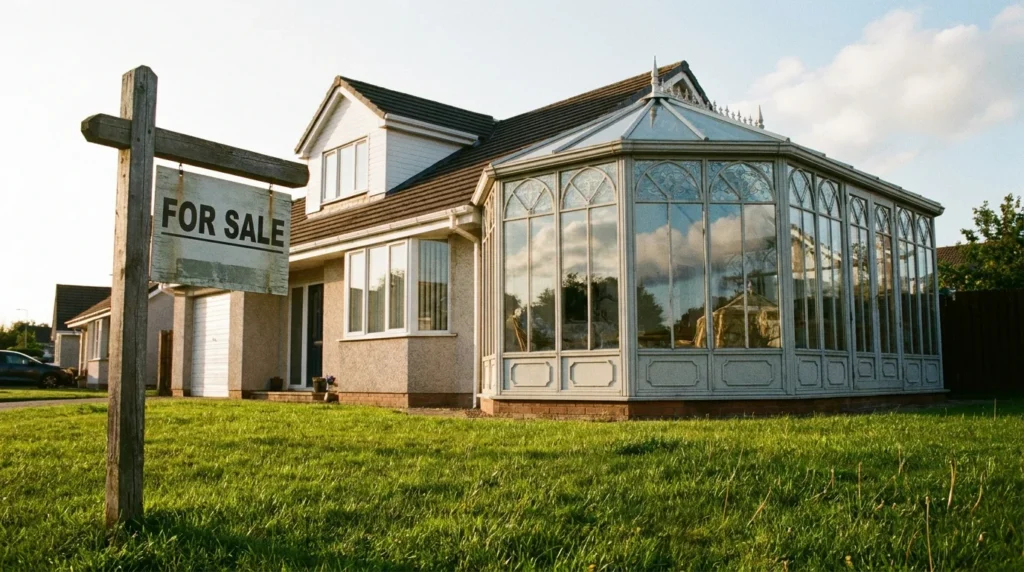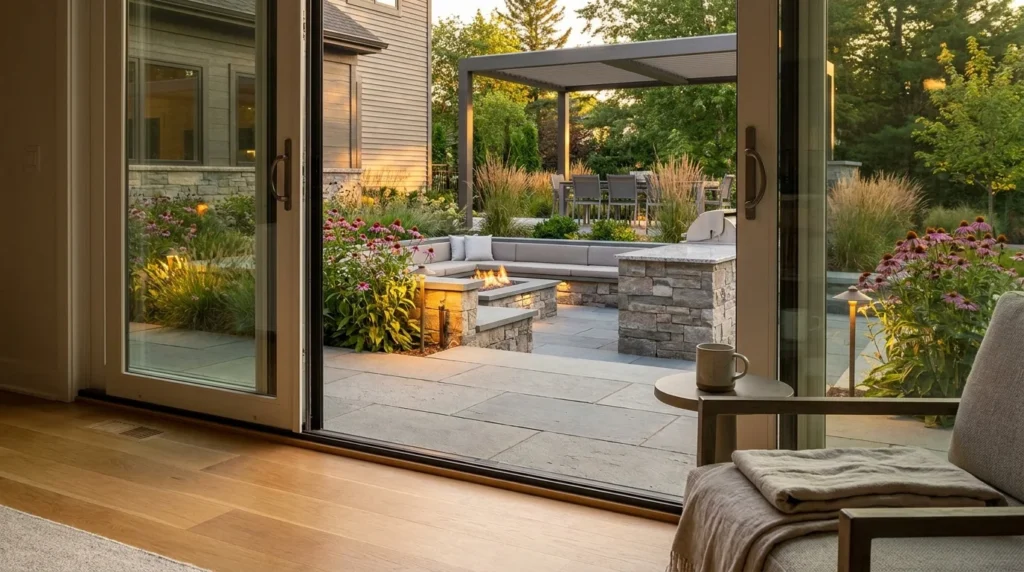
The realization often hits while staring at an overgrown garden bed or dusting a guest room that hasn’t seen a visitor in two years—your current home no longer fits your lifestyle. Recognizing the signs to move to a smaller home is the first step toward reclaiming your time and energy. Having the downsizing conversation with your family allows you to direct your future on your own terms rather than waiting for a health crisis to dictate a rushed transition. By objectively evaluating how you maintain your property, use your living space, and manage daily chores, you can confidently decide when to downsize and start planning a more manageable, joy-filled chapter in a right-sized home.
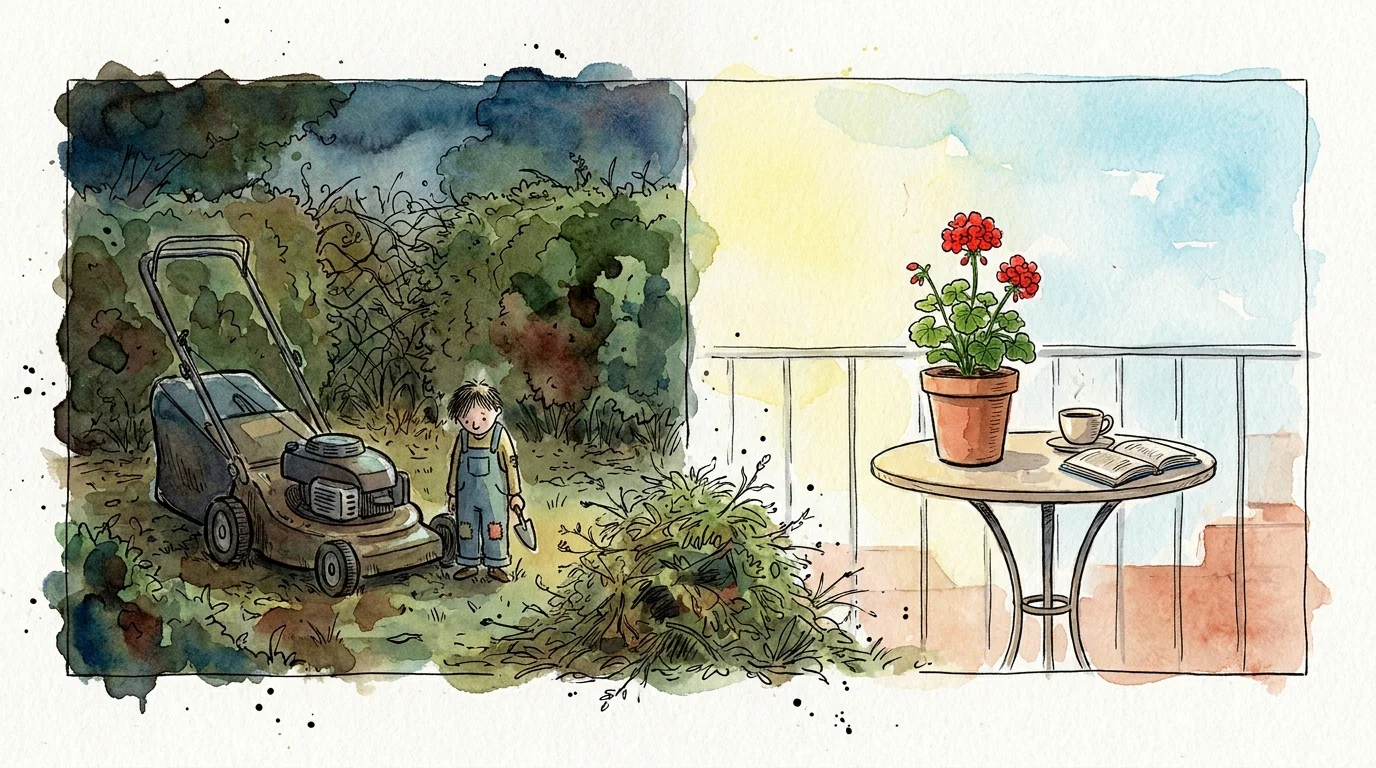
Sign 1: The Garden Has Become a Chore Instead of a Sanctuary
For decades, your sprawling backyard might have been your greatest pride. You spent weekends planting vibrant perennial borders, tending to raised vegetable beds, and cultivating the perfect lawn. However, landscapes require relentless upkeep; when the physical demands of weeding, mulching, and pruning start causing more joint pain than joy, it is a clear indicator that your living situation has outgrown you. A beautiful garden should serve as a retreat, not a grueling part-time job.
Transitioning to a smaller property does not mean giving up your green thumb. Many homeowners discover immense satisfaction in trading high-maintenance acreage for a sunny balcony, a cozy courtyard, or a patio perfect for container gardening. By stepping away from the heavy labor of broad lawn care, you free yourself to focus on specialized, accessible planting. The National Gardening Association offers excellent resources for adapting to smaller-scale horticultural setups, proving you can still enjoy fresh herbs and blooming flowers without the exhausting weekend maintenance.
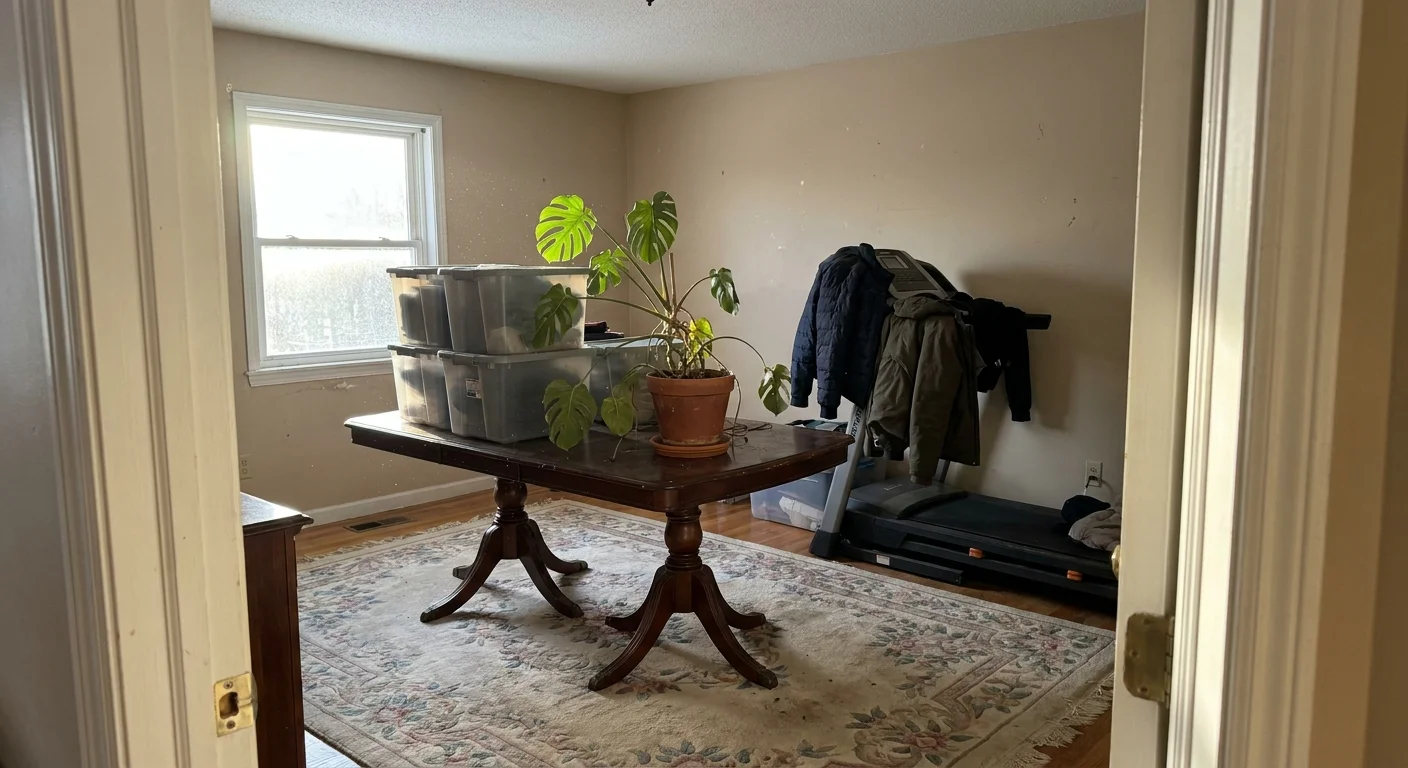
Sign 2: Empty Rooms Are Transforming Into Clutter Catch-Alls
Walk through your home and take an honest inventory of how you use the space. Is the formal dining room completely abandoned except for holiday dinners? Has the fourth bedroom become a graveyard for old hobby supplies, out-of-season clothing, and neglected, leggy houseplants that never receive adequate sunlight? When you live in a house that is too large for your daily routine, nature abhors a vacuum—empty spaces inevitably attract clutter.
Maintaining these unused zones drains your energy. You still have to heat them, cool them, vacuum the carpets, and dust the baseboards. If your actual living radius has shrunk to just the kitchen, the living room, and your primary bedroom, you are paying a high premium in both money and labor to maintain a storage facility. Acknowledging this unused space is one of the most undeniable signs move smaller home transitions are overdue.

Sign 3: Routine Home Maintenance Triggers Persistent Stress
Every house requires continuous care, but the burden feels significantly heavier as we age. The seasonal checklist of cleaning gutters, servicing the HVAC unit, blowing out sprinkler systems, and checking the roof for missing shingles transforms from a manageable weekend routine into a towering source of anxiety. If you find yourself lying awake at night worrying about a damp spot in the basement or the creaking sound coming from the aging water heater, the house is managing you—not the other way around.
Moving to a newer, smaller home, a condominium, or a managed community instantly lifts this burden. Many downsized living arrangements roll exterior maintenance into a single monthly association fee, entirely eliminating the need for you to ever climb a ladder or hire a snowplow again. Organizations like This Old House frequently highlight the financial and physical realities of aging-in-place remodeling versus simply relocating to a space designed for zero-maintenance living; often, the move proves far more practical.
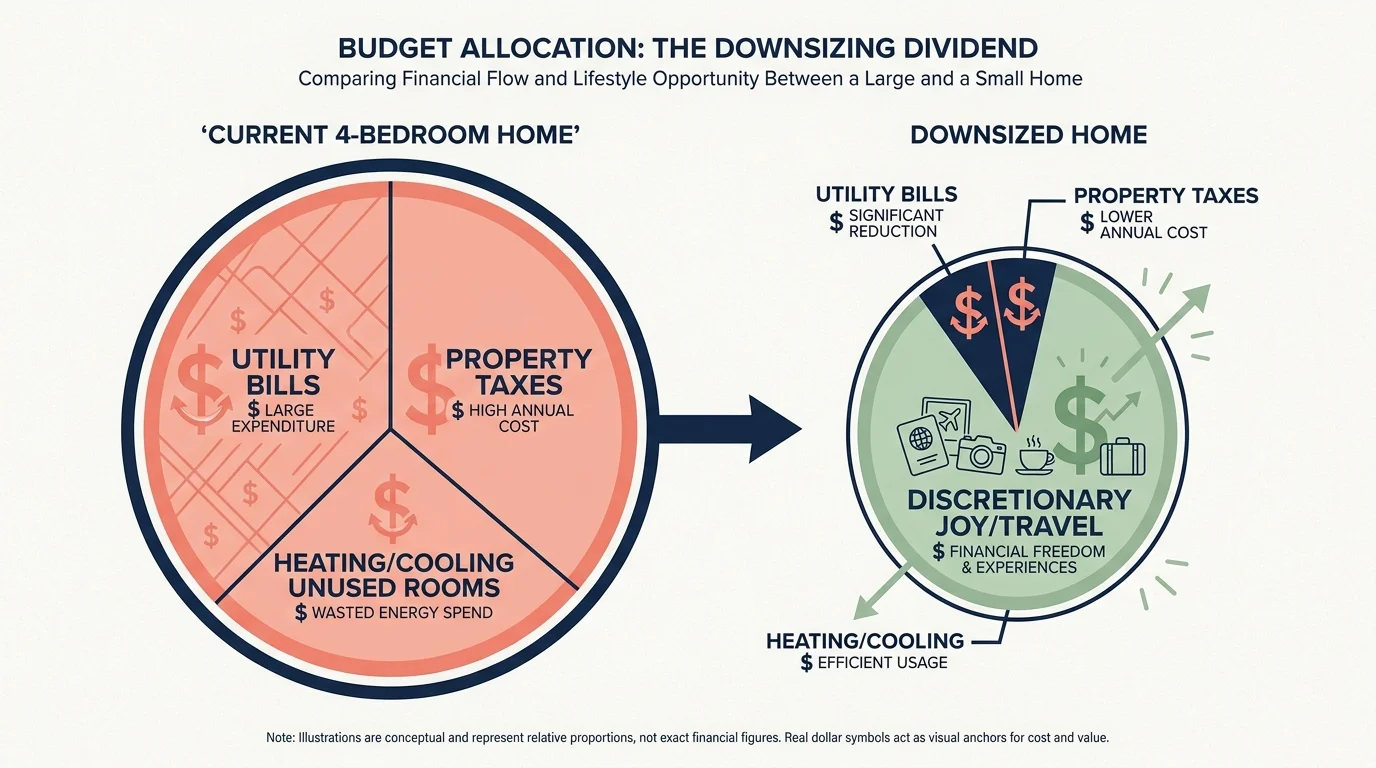
Sign 4: Utility Bills and Property Taxes Dominate Your Budget
Heating and cooling a large, mostly empty house makes little financial sense. Utility rates continually rise; pouring money into climate-controlling unused bedrooms and cavernous basements eats into the budget you could be spending on travel, new hobbies, or spoiling your grandchildren. Similarly, property taxes in highly sought-after school districts often balloon over the decades. If you no longer have children utilizing the local schools, you are paying a premium for community amenities you do not use.
When you sit down to calculate the true cost of your current footprint, the numbers often tell a compelling story. Channeling those funds away from bloated utility bills and toward a comfortable, energy-efficient space grants you profound financial freedom. This financial pivot is frequently the catalyst for seniors when deciding when to downsize seniors can comfortably redirect their hard-earned money toward enriching their daily lives.

Sign 5: You Worry About Safely Navigating Your Own Home
Design features that once felt charming can quietly become hazardous. A steep, narrow staircase, a sunken living room, or a traditional shower-tub combination present genuine daily risks. If you catch yourself avoiding the basement because the stairs feel treacherous, or you hesitate to carry a heavy laundry basket down the hall, your environment is compromising your safety.
Homes designed with single-story layouts, zero-threshold showers, and wider hallways offer an immediate upgrade in daily comfort. You should never feel anxious about moving through your own living space. Addressing these physical limitations early ensures you maintain your independence rather than risking an injury that forces an emergency move.
Sign 6: Your Neighborhood Demographics Have Shifted
Communities evolve over time. Perhaps the neighbors you once shared backyard barbecues with have long since moved away, replaced by busy young families who keep to themselves. If the local demographic has shifted to the point where you feel socially isolated, or if the nearby amenities no longer align with your needs, the location has lost its value to you.
Downsizing often provides an opportunity to relocate closer to family members, friends, or a vibrant community hub that matches your current pace of life. Walking to a local coffee shop, living adjacent to a community garden, or simply being ten minutes closer to your children dramatically improves your weekly routine.

Sign 7: The Thought of a Simplified Space Feels Relieving
Pay attention to your emotional reactions when you visit friends who live in cozy, well-appointed apartments or modern townhomes. If you find yourself fantasizing about the simplicity of a smaller floor plan, your subconscious is already pulling you toward a downsize. There is immense psychological relief in paring down your possessions to only the items you genuinely love and use.
A smaller space forces intentional design. You can curate a beautiful, light-filled living area that reflects who you are today, rather than preserving a museum of who you were twenty years ago. Sites like Apartment Therapy showcase stunning ways to style smaller footprints, proving that you do not need three thousand square feet to live in absolute elegance.

Sign 8: You Dread Preparing the House for Guests
Hosting family for the holidays used to be the highlight of your year. Now, the thought of deep cleaning four bedrooms, prepping multiple bathrooms, and washing endless loads of linens fills you with dread. When the effort of maintaining a hospitable environment outweighs the joy of having your loved ones visit, the house has become a barrier to connection.
In a right-sized home, entertaining becomes manageable again. A comfortable, open-concept living space allows you to host an intimate dinner party or have your children over for Sunday brunch without dedicating three days prior to scrubbing floors. You can focus on the people rather than the property.
Sign 9: You Want to Gift Your Family Peace of Mind
Perhaps the most profound sign that it is time to transition is the desire to spare your children from handling a crisis. The downsize timing elderly homeowners choose dictates how the transition feels for everyone involved. If you wait until a medical emergency forces a move, your family will be tasked with sorting through decades of accumulated belongings under immense emotional distress.
By proactively initiating the downsizing conversation family members can participate in the process joyfully. You get to decide who inherits the antique dining table, which grandchild receives your cherished collection of indoor ferns, and how the property is prepared for sale. Taking charge of this transition is an incredible act of love, ensuring your legacy is passed down peacefully.

How to Frame the Downsizing Conversation With Your Family
Initiating the dialogue about moving can feel intimidating, but approaching it methodically ensures everyone remains supportive and focused on your well-being. Here is how to guide the discussion:
- Focus on the positive lifestyle changes: Frame the move as an exciting new chapter. Talk about the travel you will enjoy with the money saved on utilities, or the relief of never having to shovel snow again.
- Ask for specific, limited help: Rather than vaguely stating you need to move, ask your children to help with distinct tasks—like researching local condo associations or spending one Saturday organizing the garage.
- Offer cherished items early: If you know you cannot take the large family heirloom furniture, ask your kids what pieces they would love to integrate into their own homes now.
- Discuss professional assistance: Introduce the idea of hiring specialists to handle the heavy lifting, ensuring your family knows they will not be responsible for moving sleeper sofas or packing up the entire attic.
- Set a comfortable timeline: Remove the pressure by establishing a generous window for the transition. Giving yourselves six to twelve months to declutter makes the process feel entirely manageable.
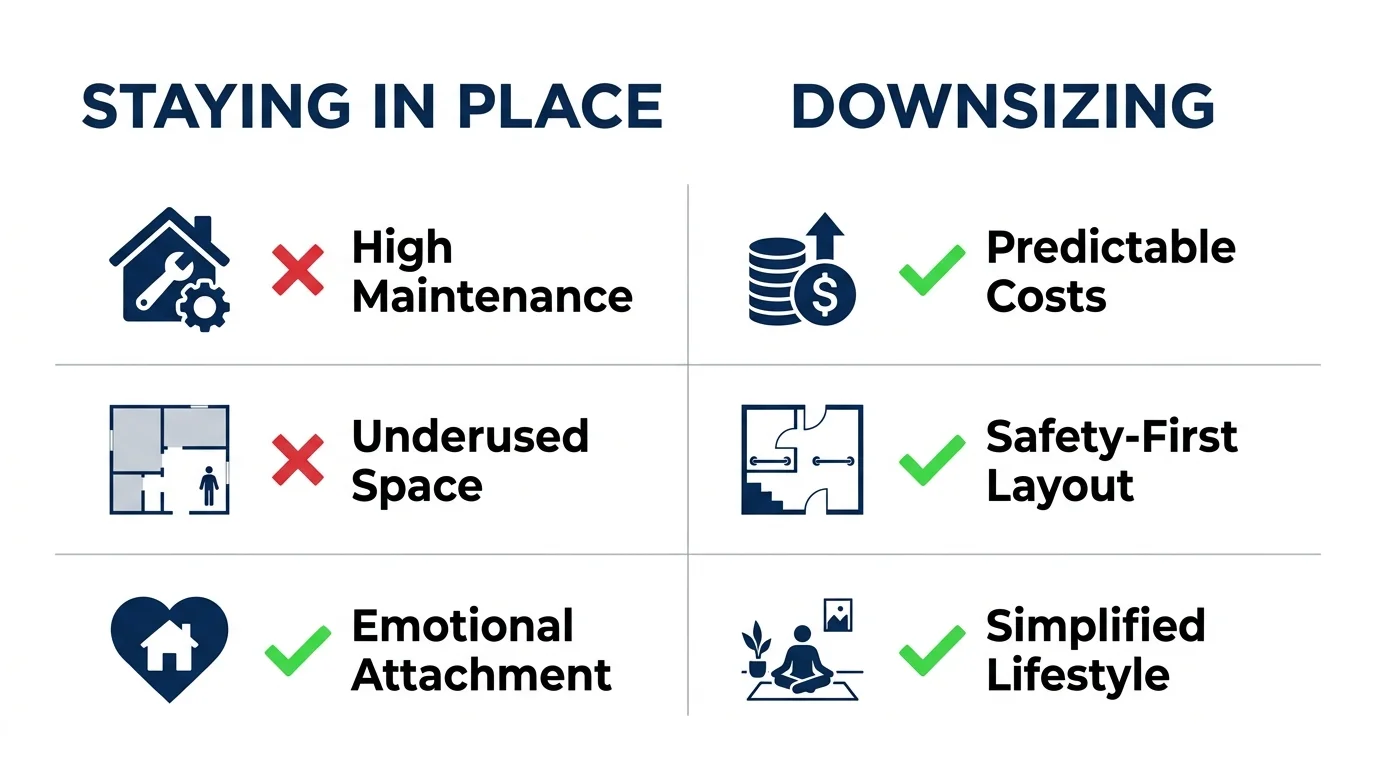
Staying in Place vs. Downsizing: A Practical Comparison
Sometimes seeing the tangible differences between remaining in a large home and moving to a tailored space clarifies the decision. Consider this breakdown of daily realities:
| Lifestyle Factor | Staying in Your Current Large Home | Downsizing to a Smaller, Right-Sized Home |
|---|---|---|
| Yard & Garden Care | Requires heavy physical labor, weekly mowing, and extensive seasonal pruning. | Offers manageable container gardening, patio plants, and HOA-covered lawn care. |
| Financial Output | High utility bills, rising property taxes, and unpredictable repair costs. | Predictable monthly expenses, lower heating/cooling costs, and reduced taxes. |
| Accessibility | Navigating stairs, steep driveways, and traditional high-walled bathtubs. | Single-story living, wide hallways, and zero-threshold entryways. |
| Cleaning Burden | Hours spent dusting unused rooms and maintaining multiple bathrooms. | Quick, efficient cleaning of spaces you actually utilize every single day. |
| Emotional Energy | Constant background stress regarding maintenance and accumulated clutter. | A sense of lightness, control, and freedom to pursue actual hobbies. |
“A house is not a home unless it contains plants, light, and something growing.”
This principle holds entirely true when you relocate. You do not leave your sense of home behind; you simply pack up the light, the life, and your favorite resilient houseplants, and recreate that warmth in a space that honors your current needs.
Common Mistakes to Avoid During the Transition
Even with the best intentions, the process of sorting through a lifetime of memories can lead to missteps. The most frequent error is attempting to tackle the entire house in a single weekend. Decision fatigue sets in rapidly when you are evaluating emotional items. Break the project down into highly specific zones—tackle just the linen closet on Tuesday, and leave the sentimental photo albums for a weekend when family can help.
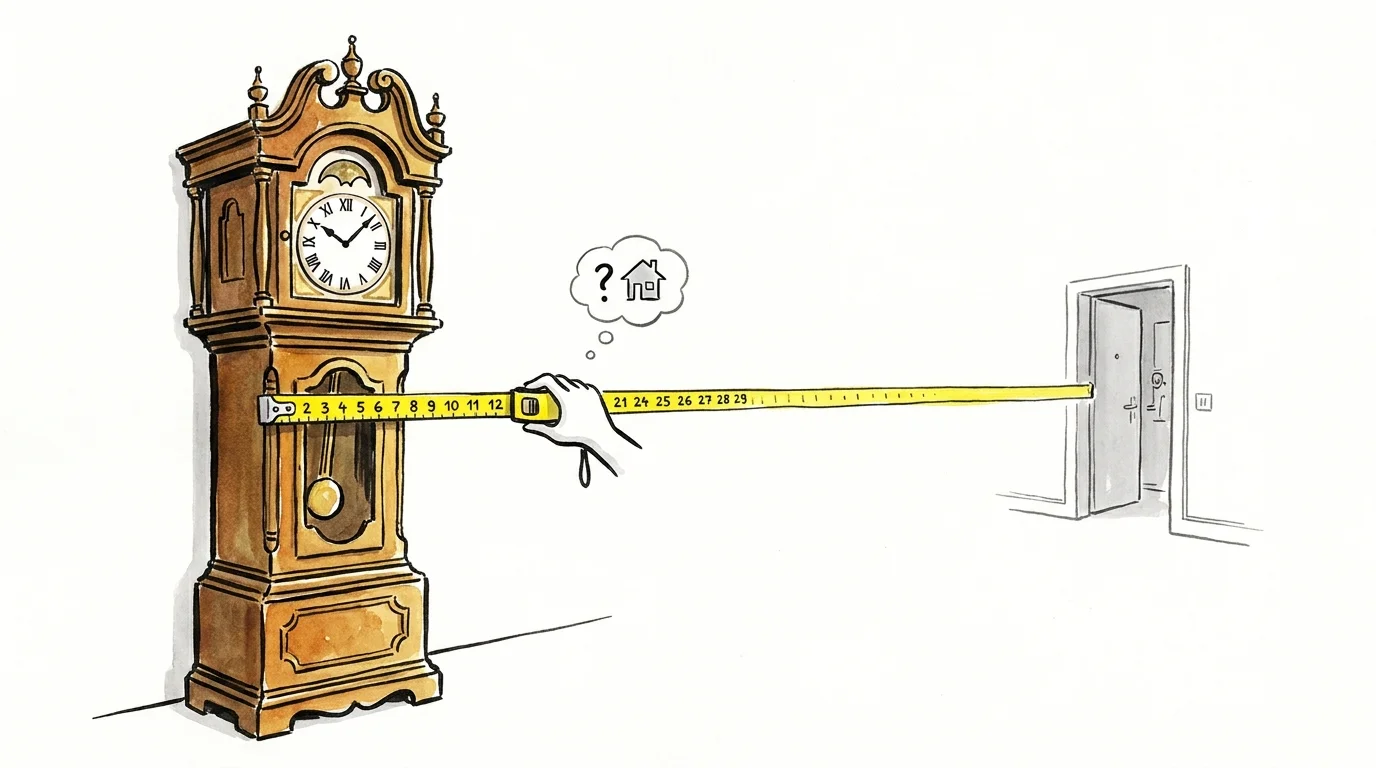
Another common mistake is trying to shoehorn oversized furniture into a smaller floor plan. A massive sectional sofa that looked perfect in your current living room will immediately overwhelm a modest townhome, making the new space feel cramped rather than cozy. Measure your new rooms meticulously. Use resources from Better Homes & Gardens to learn how to measure and plot out furniture arrangements before the moving truck ever arrives. Finally, be realistic about your plant collection. Gift your massive, heavy-potted fiddle leaf figs and sprawling monsteras to family members, and keep the manageable, easy-care varieties that will thrive on your new windowsills.

Skip DIY Moving When…
While packing up your own kitchen might sound feasible, certain aspects of a major life transition require professional intervention to protect your physical health and your property’s value. You should skip the DIY approach and hire professionals when:
- You are tackling the attic or basement: Navigating steep, narrow stairs with heavy boxes is a primary cause of moving-related injuries. Let professional movers handle the vertical lifting.
- You need to dispose of hazardous garage materials: Old paint cans, decades-old lawn chemicals, and motor oil require specific environmental disposal methods.
- You are overwhelmed by the timeline: If the mere thought of packing causes paralysis, it is time to hire a Senior Move Manager. These certified professionals specialize in helping older adults declutter, pack, and transition seamlessly without the emotional burnout.
- Preparing the home for the real estate market: Do not attempt to patch drywall, update electrical fixtures, or replace heavy landscaping yourself. Hire licensed contractors to ensure the home passes inspection and commands the best possible sale price.
Frequently Asked Questions About Downsizing
How do you determine the best downsize timing elderly family members should follow?
The ideal timing is always before a crisis occurs. If routine maintenance is causing anxiety, unused rooms are accumulating dust, or navigating the physical layout of the home is becoming difficult, it is time to begin the process. Proactive planning allows for a stress-free transition over several months.
How do I talk family about moving when they resist the idea?
Approach the conversation with empathy rather than an ultimatum. Share your personal struggles with home maintenance and express your desire for a simpler, safer lifestyle. Focus on how a smaller home will grant you more energy to spend quality time with them, framing the move as a positive gain rather than a loss.
Can I still maintain a garden in a smaller home?
Absolutely. Moving to a smaller space simply shifts your horticultural focus. You can cultivate beautiful vertical gardens, maintain thriving raised planter boxes on a patio, or focus your energy on a spectacular indoor houseplant collection. Smaller spaces allow for more intentional, intimate gardening without the back-breaking labor of broad landscaping.
What should I do with sentimental items I do not have room for?
Offer meaningful items to children, grandchildren, or close friends who will cherish them. For items that hold memories but no practical use, take high-quality photographs to create a beautiful memory book. This allows you to keep the emotional connection without storing the physical bulk.
Embrace Your Next Chapter
Recognizing that it is time to move on from your long-time home is an act of profound self-awareness. Having the downsizing conversation with your family is not about giving up your independence; it is about aggressively reclaiming it. By stripping away the heavy burden of excessive property maintenance, you open up physical and emotional space for the things that truly matter—family, travel, relaxation, and a peaceful daily routine. Start the dialogue today, take the sorting process one small drawer at a time, and look forward to the lightness of a beautifully curated, right-sized home.
Results for DIY projects and plant care depend on your local climate, home conditions, and experience level. When in doubt, consult a licensed professional.
Last updated: May 2026. Plant care guidance reflects current horticultural best practices—always observe your specific plant’s signals.