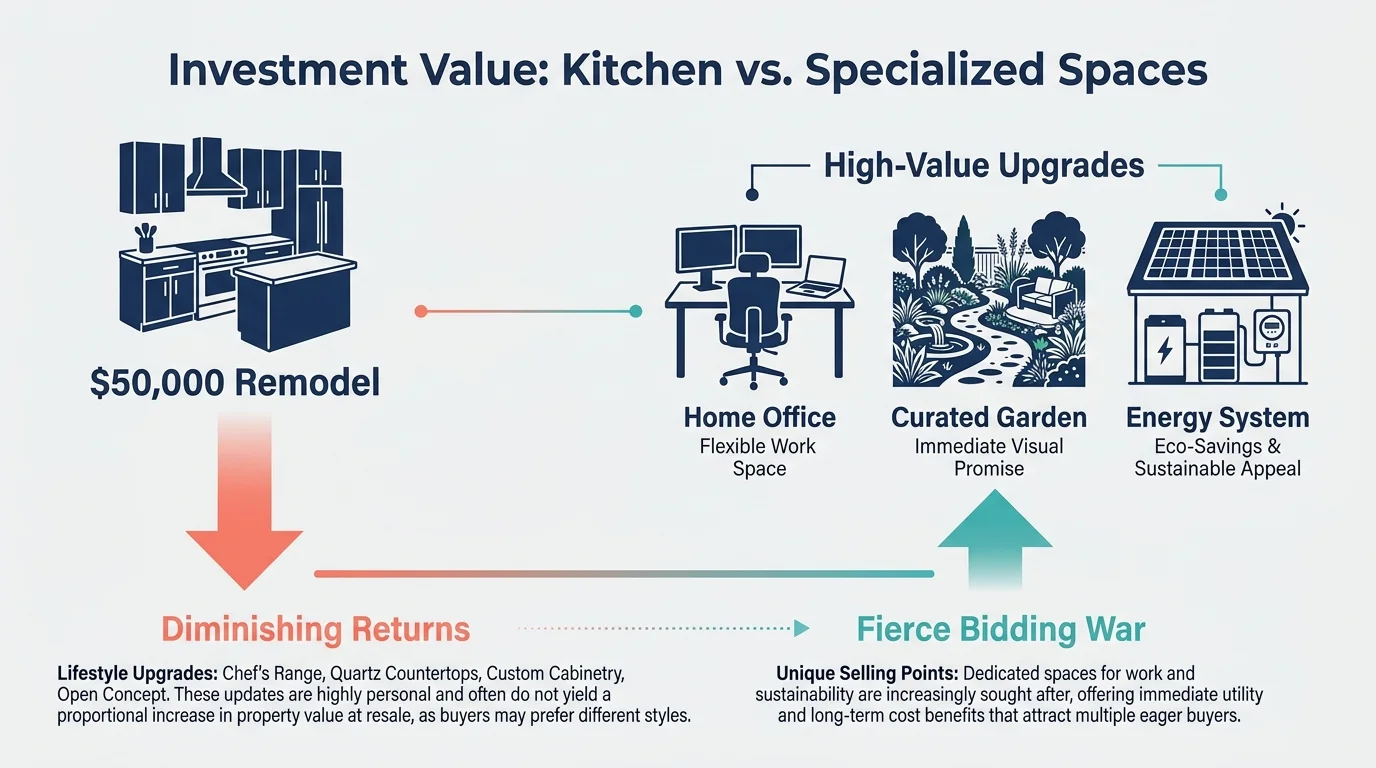
Forget the outdated real estate advice claiming that kitchens alone sell houses; today’s buyers scrutinize completely different areas of your property before making an offer. Shifting work habits, eco-conscious living, and a massive surge in outdoor gardening have entirely redefined what makes a home desirable. If you plan to list your property soon, pouring fifty thousand dollars into a massive kitchen remodel rarely yields the highest return anymore. Instead, buyers demand highly functional, specialized spaces that provide immediate lifestyle upgrades. From dedicated workspaces bathed in natural light to meticulously curated outdoor living zones and energy-efficient systems, these eight crucial areas dictate whether your house lingers on the market or sparks a fierce bidding war.
1. Curated Outdoor Living Spaces and Gardens
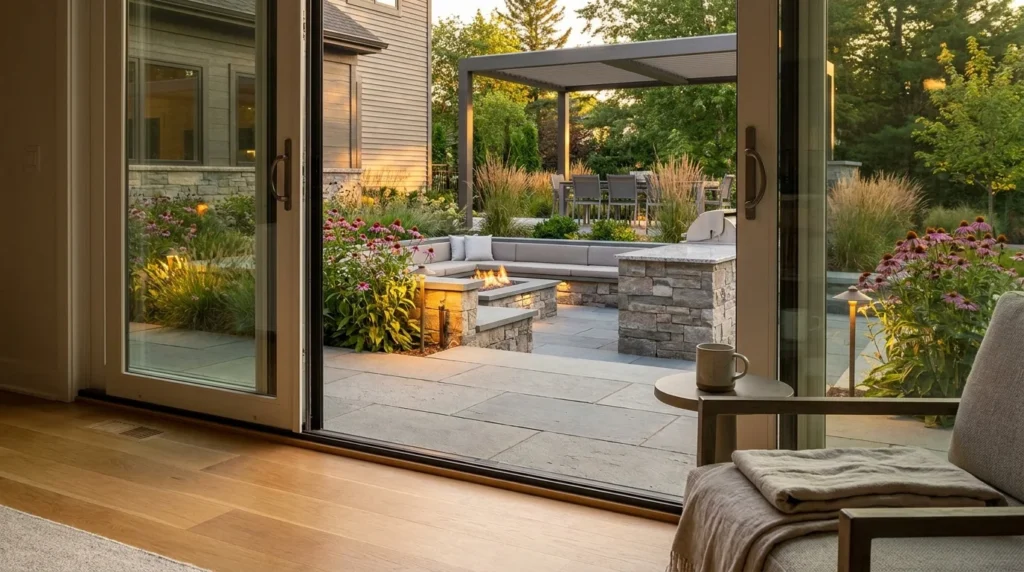
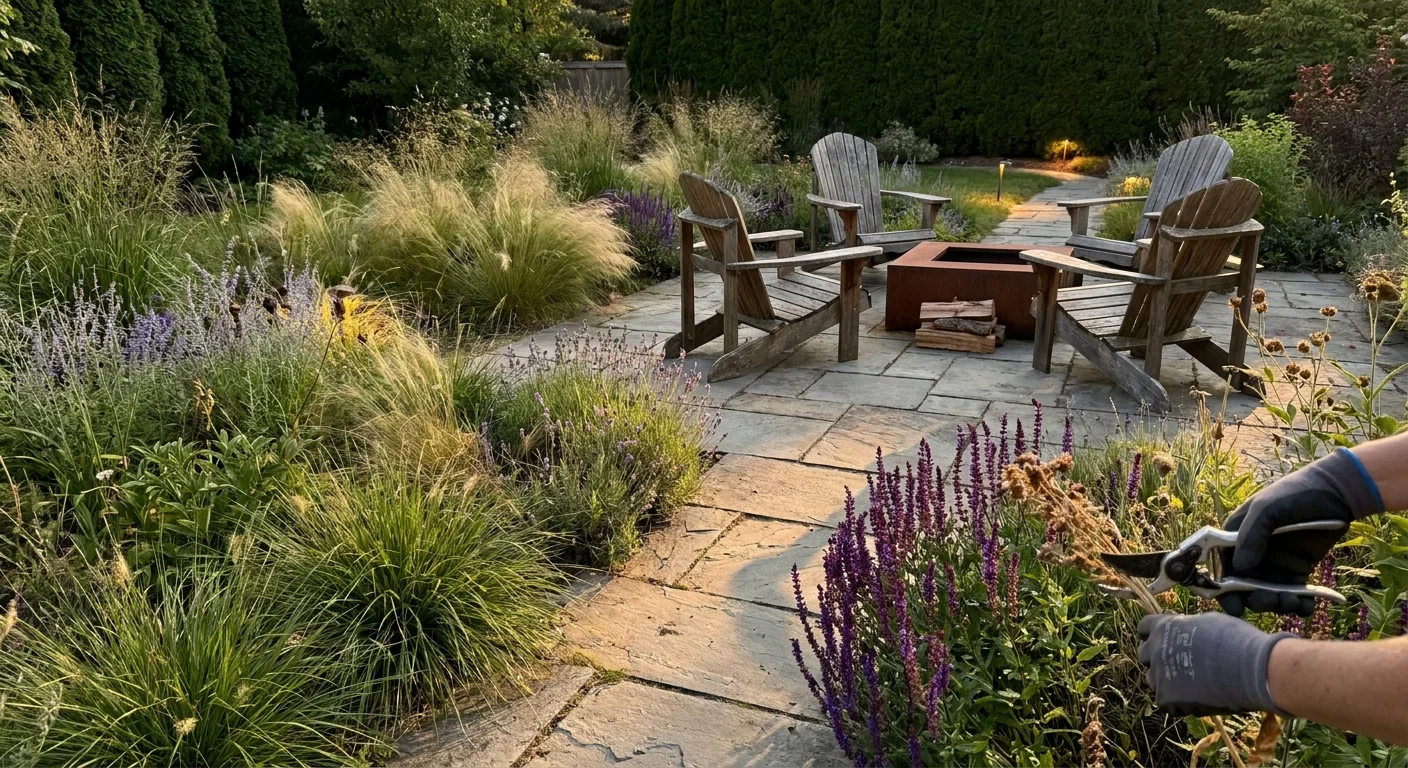
The backyard is no longer just a patch of grass you mow on the weekends; it is a vital extension of the home’s livable square footage. Buyers actively seek out established gardens, defined outdoor dining areas, and cohesive hardscaping. A well-designed patio or deck featuring weather-resistant materials provides an immediate visual promise of relaxed weekends and summer entertaining. Buyers pay close attention to mature trees, privacy hedges, and native perennial beds that require minimal watering while supporting local pollinators.
If you are upgrading your outdoor space, focus on creating zones. Define a dining area with a stone paver patio, frame a cozy fire pit with drought-tolerant ornamental grasses, and install subtle pathway lighting to extend the yard’s usability into the evening. Always keep safety in mind when introducing new foliage; verify your plant choices through the ASPCA Animal Poison Control database to ensure they are non-toxic to wandering pets.
“A house is not a home unless it contains plants, light, and something growing.” — Traditional Adage
2. Dedicated, Acoustically Sound Home Offices
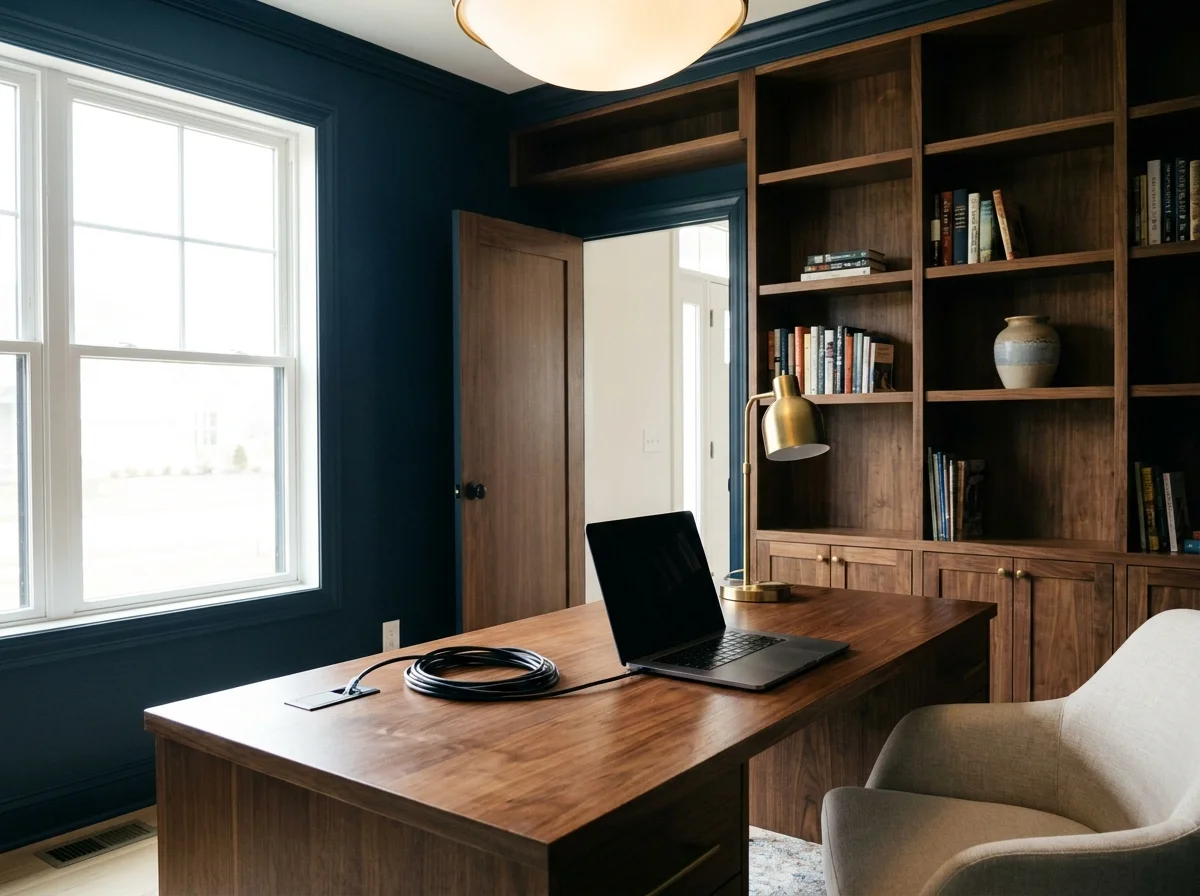
A cramped desk shoved into the corner of a guest bedroom no longer cuts it. With remote and hybrid work becoming permanent fixtures for millions of professionals, buyers demand dedicated home offices. They look for rooms situated away from high-traffic areas like the kitchen or family room, prioritizing privacy and sound isolation. A space with solid-core doors, built-in shelving, and ample natural light instantly elevates a home’s appeal.
To make this space irresistible, ensure it has the necessary infrastructure. Hardwired ethernet ports, an abundance of grounded electrical outlets, and layered lighting schemes—combining ambient overhead fixtures with task lighting—show buyers the room is genuinely equipped for eight hours of productivity. Natural light is especially critical; workspaces featuring large windows consistently rank higher in buyer preference. For layout and styling inspiration that maximizes both form and function, explore the workspace design guides on Apartment Therapy.
3. Energy-Efficient HVAC Systems and Insulation
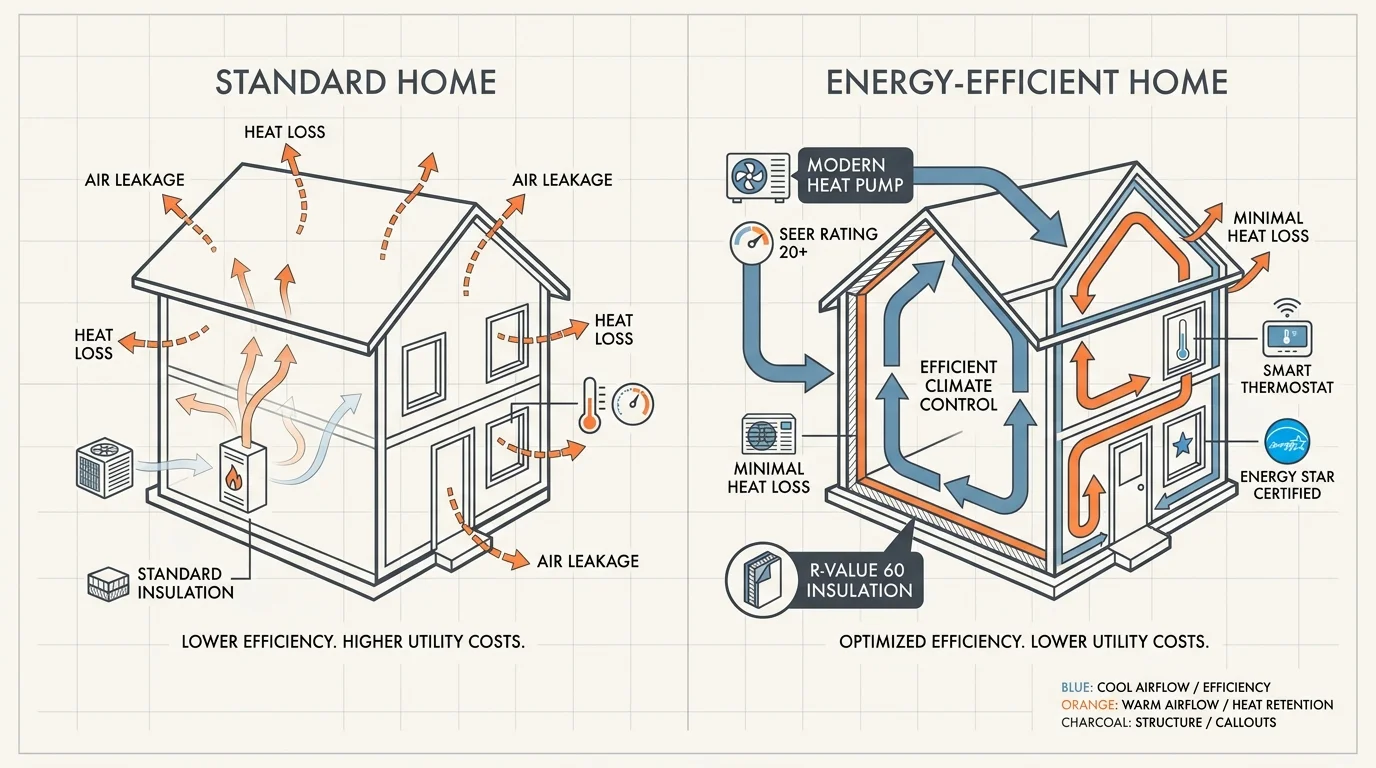
Glamorous finishes mean very little if a house is uncomfortably hot in the summer or freezing in the winter. Today’s buyers are incredibly savvy regarding utility costs and environmental impact. They routinely ask about the age of the furnace, the SEER rating of the air conditioner, and the R-value of the attic insulation before they ever look at the backsplash in the kitchen.
Homes equipped with modern heat pumps, smart thermostats, and energy-efficient windows command premium prices. Upgrading an aging HVAC system removes a massive financial anxiety for potential buyers. If you are preparing to upgrade your home’s climate control, consult ENERGY STAR to identify high-efficiency units that appeal to eco-conscious buyers and often qualify for tax rebates.
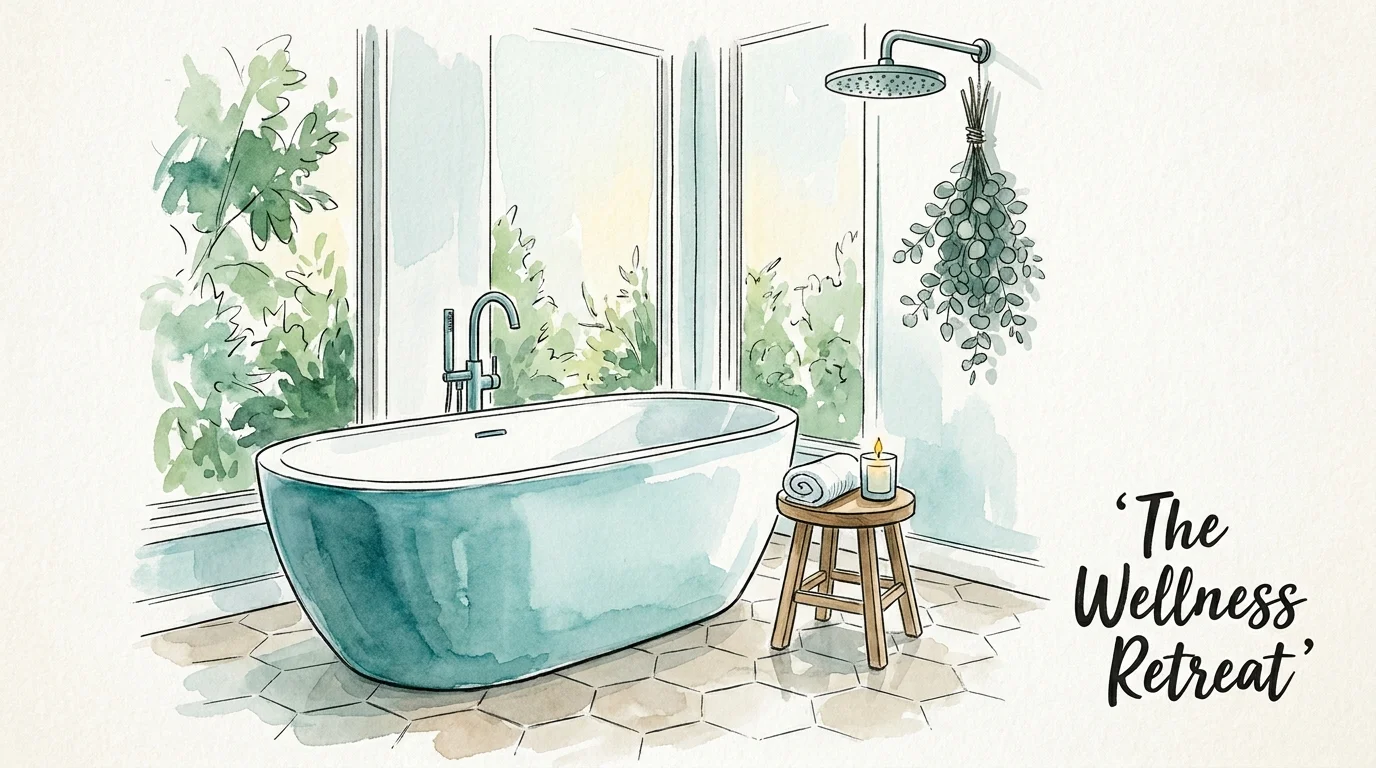
4. Spa-Inspired Primary Ensuites
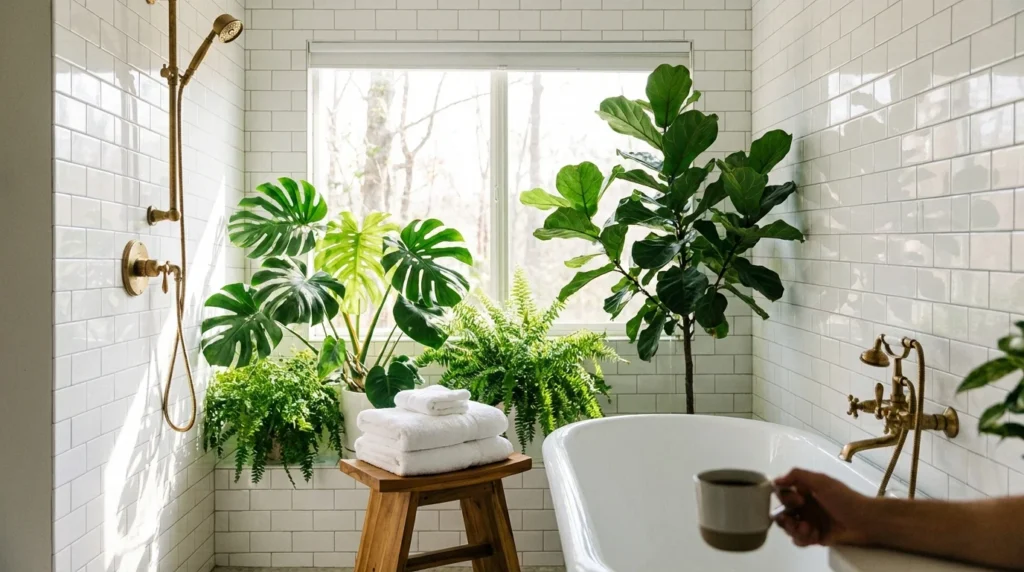
While the kitchen serves as the bustling hub of the house, the primary bathroom represents a private sanctuary. Buyers are increasingly willing to compromise on kitchen square footage if the primary ensuite offers a true spa-like experience. The trend has shifted heavily away from massive, water-wasting jetted tubs and toward expansive, curbless walk-in showers featuring frameless glass enclosures, multiple showerheads, and built-in benches.
High-end tile work, radiant heated floors, and excellent ventilation are top priorities. Ample storage is equally critical; a beautiful double vanity loses its charm if it lacks the drawer space required to hide daily toiletries. Upgrading the lighting to include dimmable sconces at eye level rather than harsh overhead vanity lights creates the relaxing ambiance buyers desperately want.
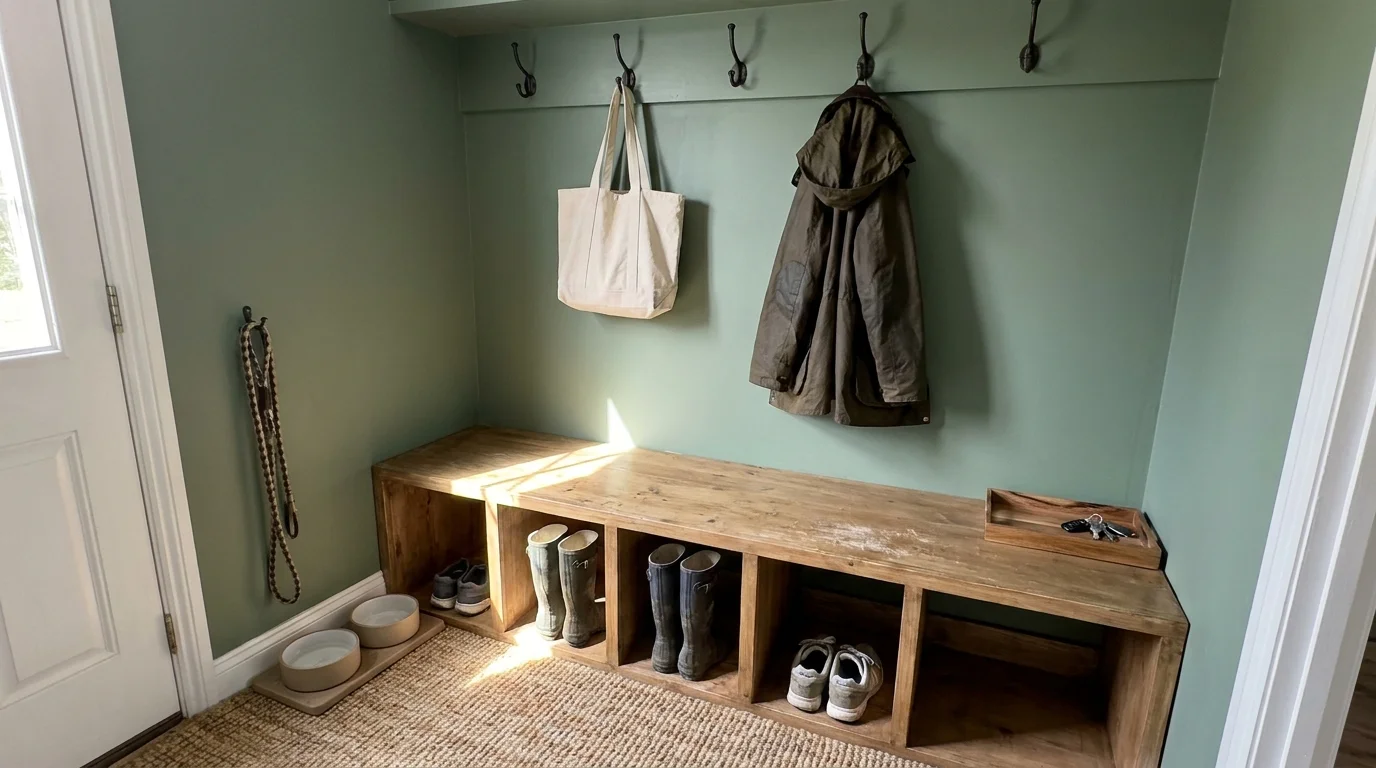
5. High-Functioning Mudrooms and Drop Zones
Chaos management is a powerful selling point. A dedicated mudroom or a well-designed drop zone at the family entrance—usually near the garage or back door—is a feature buyers consistently rave about. They want a designated place to drop muddy boots, wet umbrellas, backpacks, and dog leashes before that grime tracks into the main living areas.
The most desirable mudrooms feature custom cubbies, heavy-duty hooks, closed cabinetry to hide clutter, and a durable bench for putting on shoes. Flooring choice is vital here; buyers look for resilient, water-resistant materials like slate, porcelain tile, or luxury vinyl plank. If space allows, a utility sink or a dedicated pet-washing station turns a simple mudroom into a massive competitive advantage.
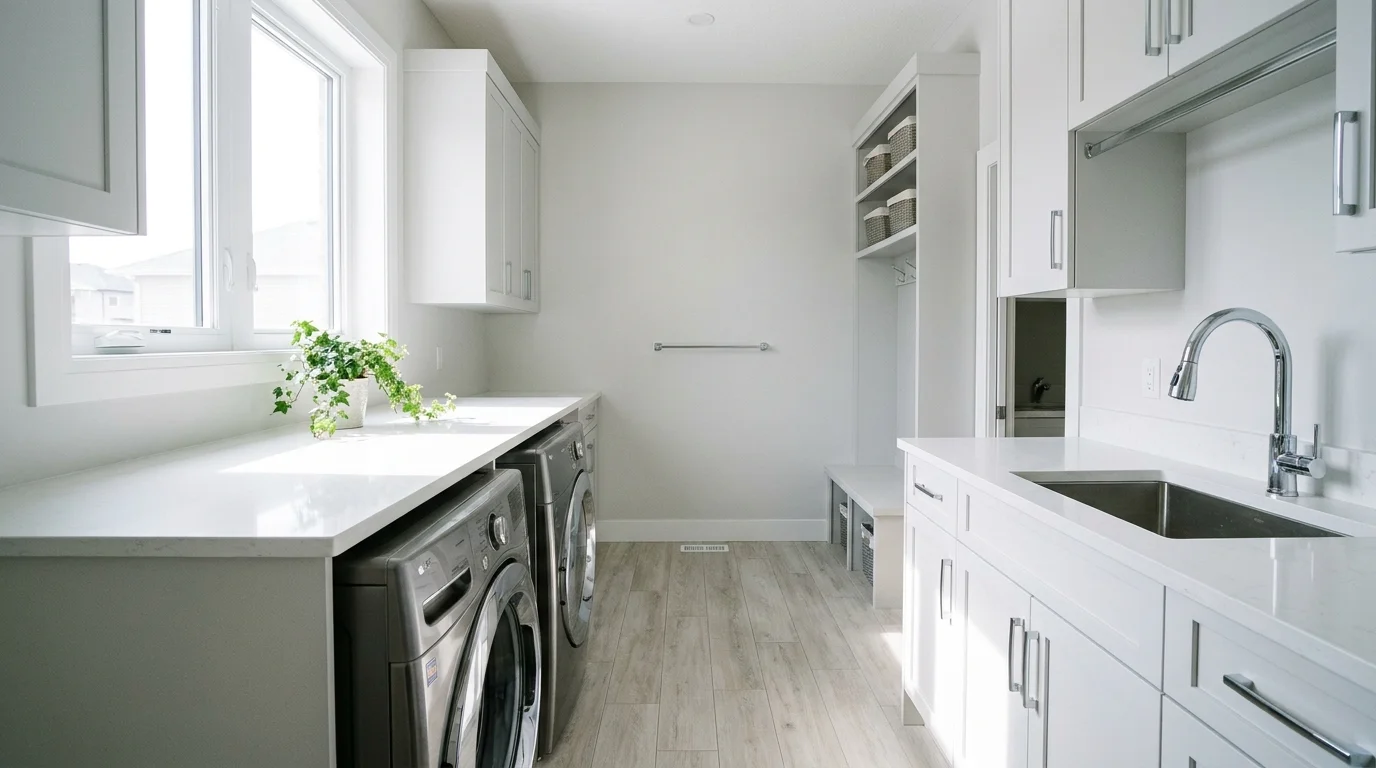
6. Upgraded, Main-Floor Laundry Rooms
Banishing the laundry to a dark, unfinished basement is a layout flaw modern buyers try to avoid. They want bright, accessible laundry rooms located on the main living level or upstairs near the bedrooms. However, simply having a washer and dryer in a closet is not enough. A fully optimized laundry room requires space to actually perform the chore comfortably.
A laundry space that impresses buyers includes ample countertop space for folding clothes, a built-in rod for air-drying delicate garments, and deep cabinetry for storing oversized detergent bottles and cleaning supplies. Adding a colorful tile backsplash or patterned wallpaper in the laundry room injects personality into a purely functional space, making the chore feel less tedious and the home feel more thoughtfully designed.
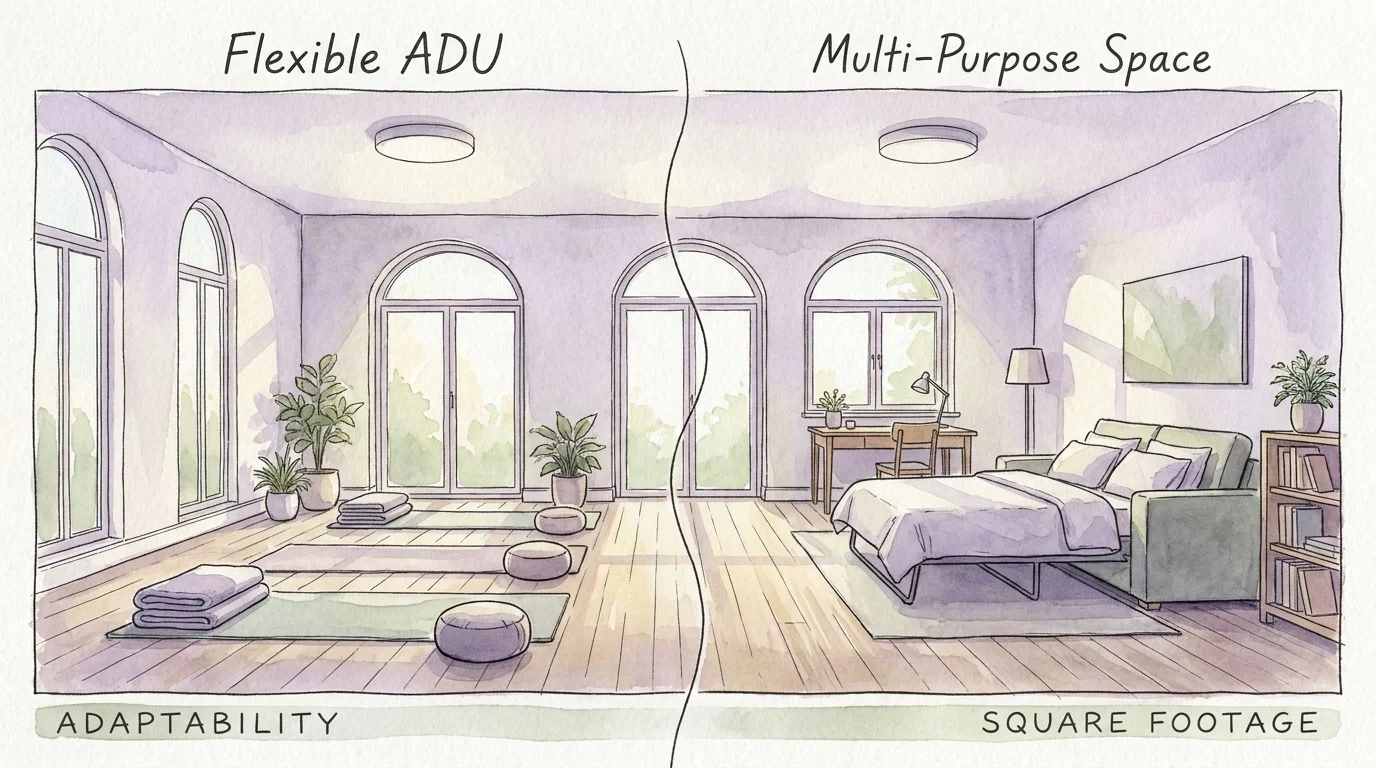
7. Flexible Bonus Rooms and ADUs
Versatility is a massive asset in modern real estate. Buyers are intensely drawn to properties offering flexible square footage that can adapt to their changing needs. Finished basements, lofts, or rooms above the garage provide a blank canvas. These areas can easily transition from a children’s playroom to a teenage hangout, a home gym, or a hobby studio.
Accessory Dwelling Units (ADUs)—such as finished guest houses, converted garages, or basement apartments with separate entrances—are incredibly highly sought after. They offer the potential for multigenerational living, allowing buyers to house aging parents comfortably, or they provide an opportunity for passive rental income to help offset rising mortgage costs.
8. Sunrooms and Indoor Conservatories
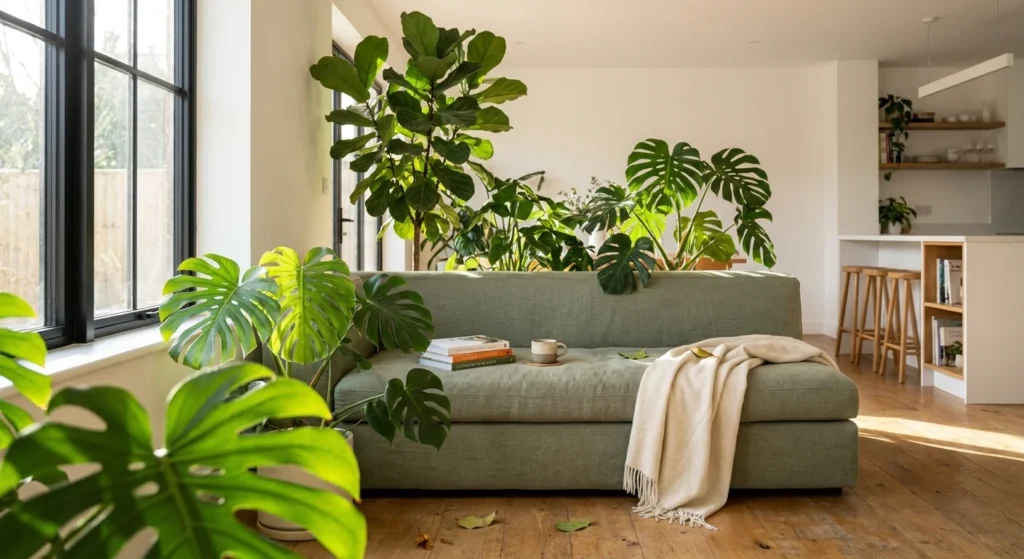
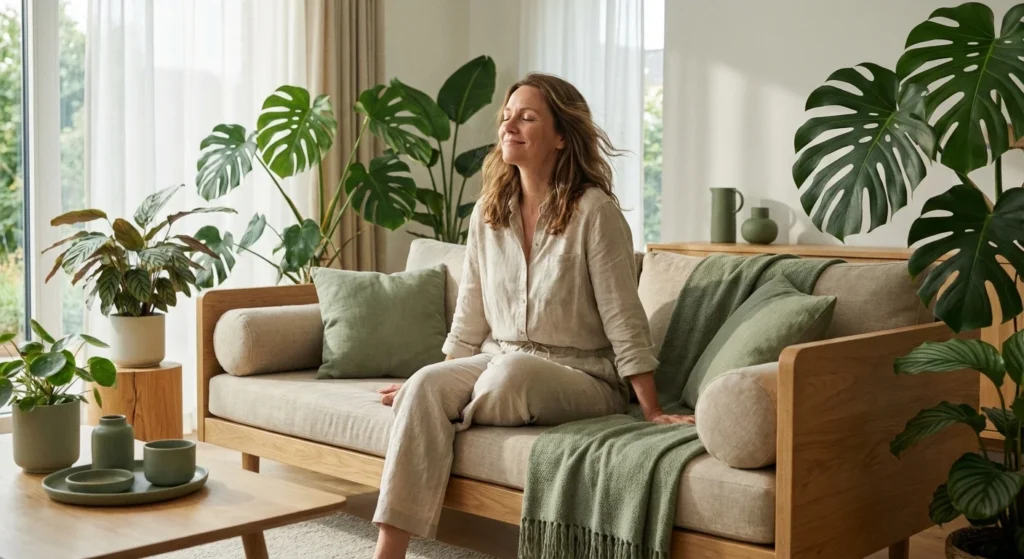
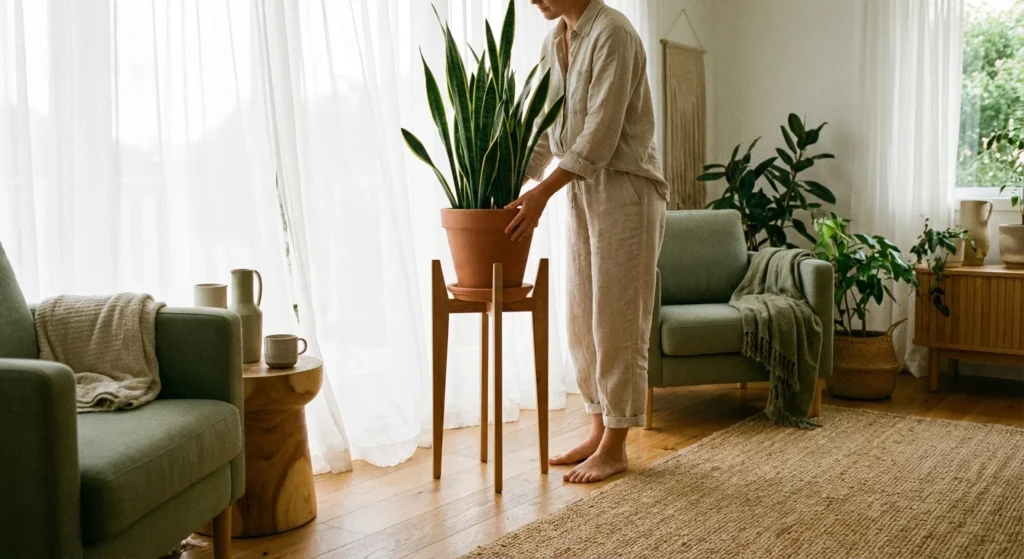
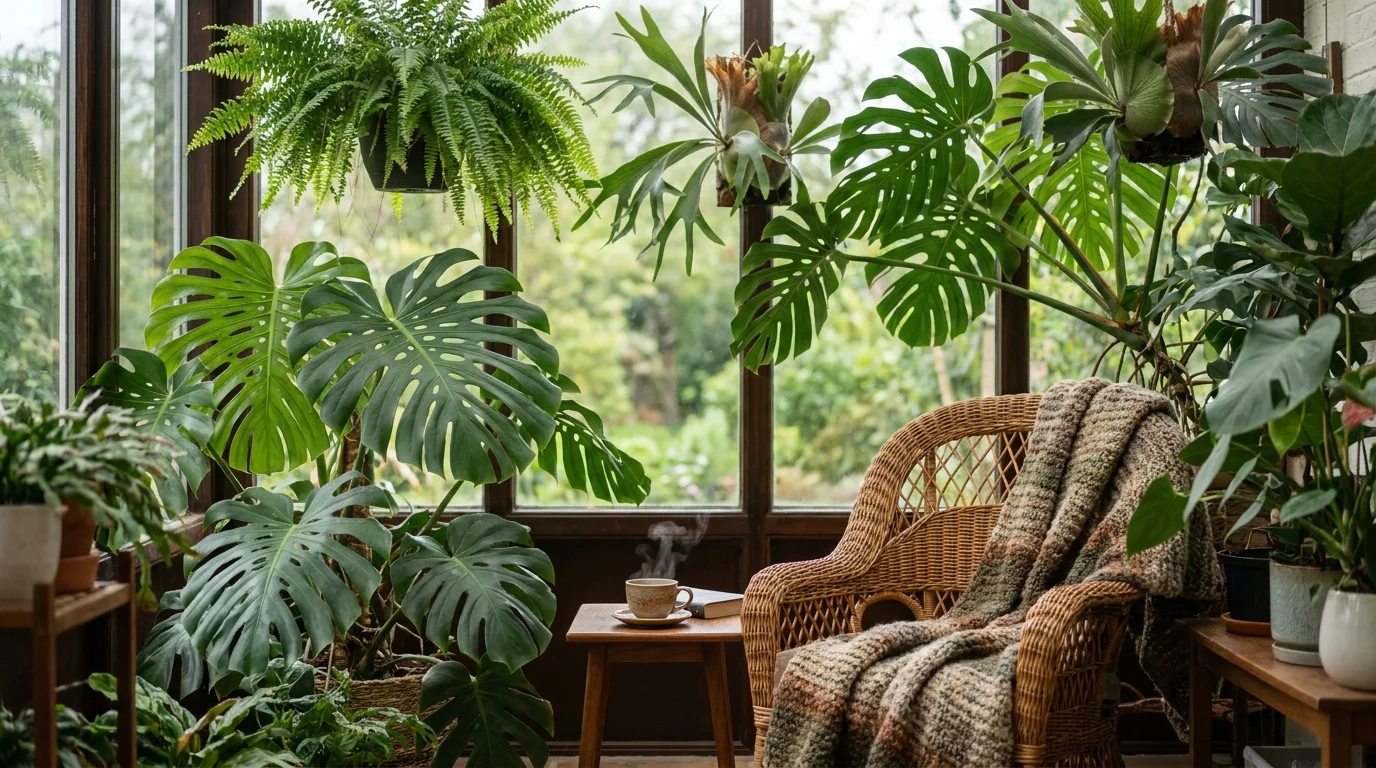
The explosive popularity of indoor plant care has directly influenced real estate preferences. Buyers actively hunt for homes featuring sunrooms, enclosed porches, or large architectural windows that provide the brilliant, indirect light necessary for thriving houseplants. These bright, airy spaces serve as tranquil reading nooks and indoor gardens, effectively bringing the outdoors inside year-round.
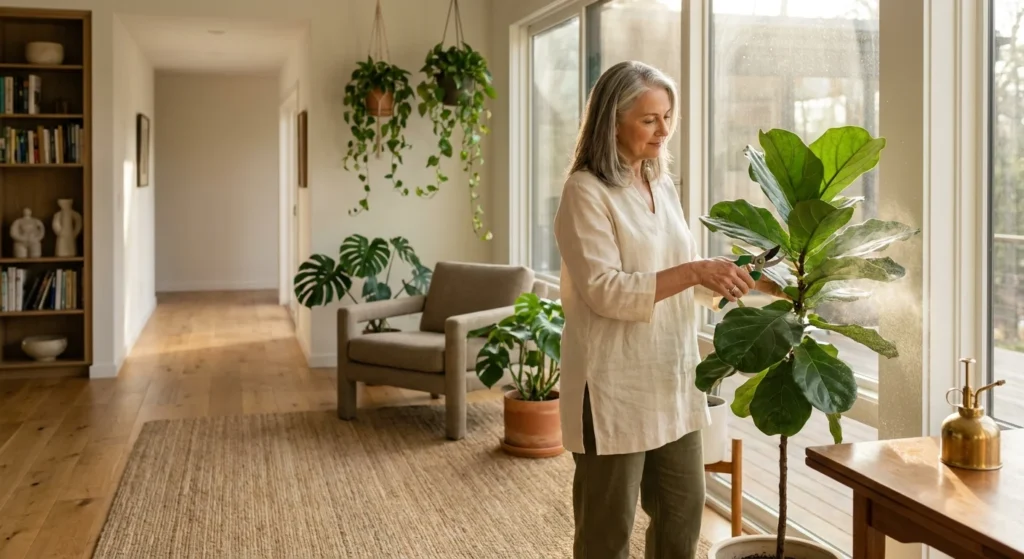
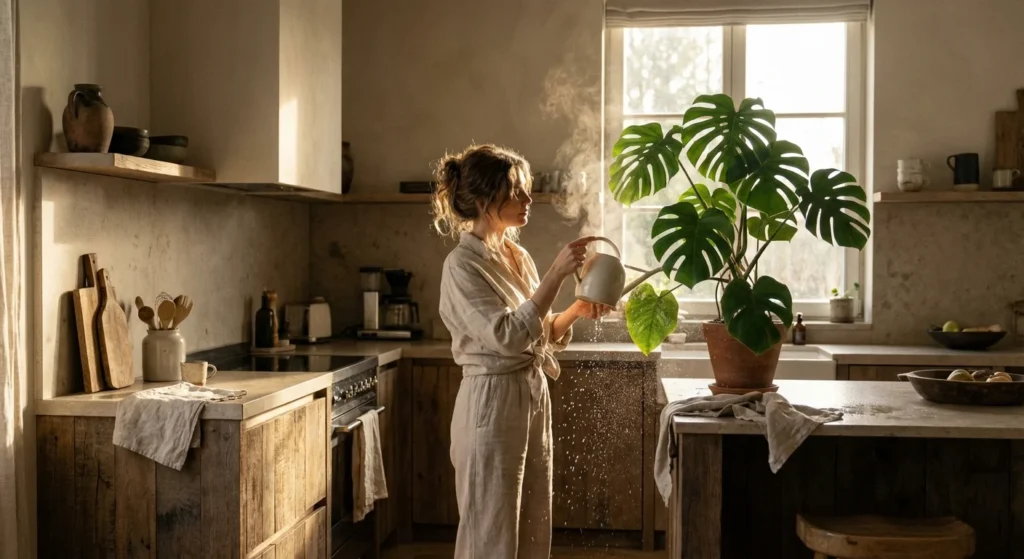
A true sunroom provides a significant mood boost during dark winter months. When staging or renovating these spaces, emphasize the natural light. Remove heavy drapery, clean the glass meticulously, and showcase the room’s potential with a few healthy, statement-making plants like a massive Ficus lyrata or a trailing Golden Pothos. Ensure the flooring in these areas can withstand occasional water spills from routine plant maintenance.
What Buyers Look For: Standard vs. High-Value Features
To understand exactly where to direct your renovation budget, review this comparison of standard home features versus the high-value upgrades that capture buyer attention.
| Room / Area | Standard Feature (Often Overlooked) | High-Value Upgrade (Buyer Magnet) |
|---|---|---|
| Outdoor Space | Basic lawn with a small concrete slab | Defined paver patio, native perennials, and privacy landscaping |
| Home Office | A desk in the guest bedroom corner | Dedicated room, solid core doors, built-in shelves, hardwired internet |
| Primary Bath | Large, unused fiberglass soaking tub | Expansive, tiled walk-in shower with frameless glass and heated floors |
| Entryway | A basic coat closet near the front door | Custom mudroom built-ins, durable flooring, and a drop-zone bench |
| Climate Control | 15-year-old furnace and basic thermostat | High-efficiency heat pump, smart thermostat, and robust insulation |
Don’t Make These Errors
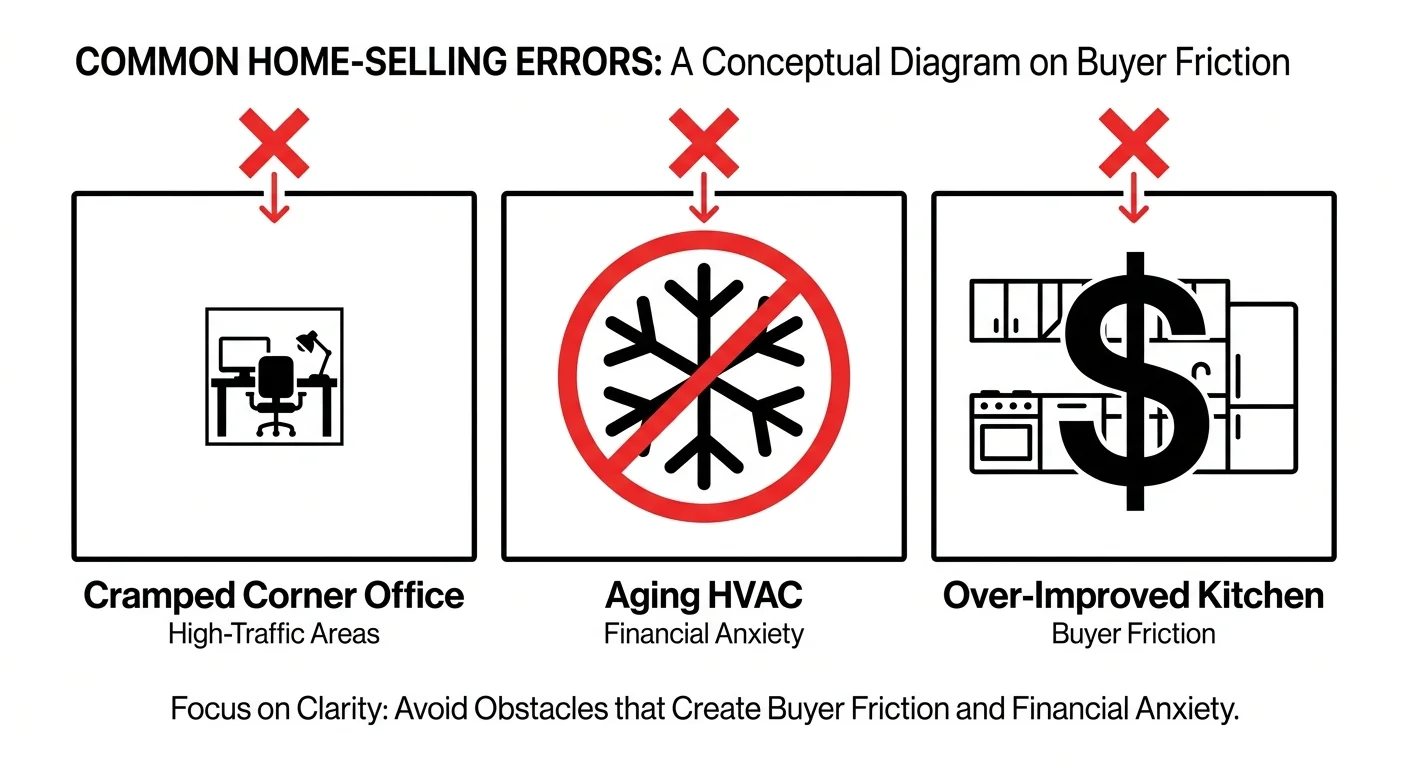
When preparing your home for the market or updating it for your own long-term enjoyment, avoid these common missteps that can quickly drain your budget without adding tangible value.
- Over-customizing permanent fixtures: While personality is great, installing highly specific, brightly colored tile or unusual permanent fixtures can alienate buyers who lack your exact aesthetic taste. Keep expensive hard surfaces neutral.
- Ignoring the unseen infrastructure: Pouring money into cosmetic upgrades while neglecting a failing roof, ancient plumbing, or an outdated electrical panel is a massive mistake. Buyers will uncover these issues during the inspection and demand costly concessions.
- Neglecting basic yard maintenance: You do not need a botanical garden to impress buyers, but a yard full of dead branches, overgrown shrubs, and invasive weeds instantly signals neglect. Prune your trees and edge your garden beds.
- Removing bedrooms for niche spaces: While dedicated offices and massive bathrooms are highly desirable, permanently knocking down walls to eliminate a bedroom usually decreases your home’s total appraised value. Maintain flexibility.
When It’s Worth the Investment
Not all home improvement projects require a professional, but knowing when to open your wallet for expert help protects your home’s structural integrity and ensures a high return on investment. If you are adding heavy features like massive built-in cabinetry, curbless stone showers, or large indoor planters that hold hundreds of pounds of wet soil, consult a structural engineer to ensure your floor joists can handle the load.
Electrical work is another area where professional intervention is non-negotiable. Upgrading your panel to support a new HVAC system, running dedicated circuits for a home office, or installing high-wattage grow lighting in a sunroom requires a licensed electrician. Unpermitted or poorly executed electrical work is a major red flag for buyers and poses a severe fire risk. For guidance on assessing structural or major mechanical upgrades, the archives at This Old House offer excellent foundational knowledge on what entails a true professional job.
Frequently Asked Questions
Do outdoor living spaces add as much value as indoor square footage?
While they are not calculated into the official heated square footage of the home, beautifully designed outdoor spaces drastically increase a property’s perceived value and emotional appeal. A well-executed patio or deck often yields an ROI of 60% to 80%, depending on your local climate and the materials used.
Should I convert a guest bedroom into a permanent home office?
Yes, provided you do not permanently remove the closet. A room must typically have a closet and a window to be legally classified as a bedroom. You can add built-in desks and shelving to create a stunning office, but retaining the closet allows buyers to envision the room as a bedroom if they prefer.
Are expensive landscaping plants worth the upfront cost?
Strategic landscaping is absolutely worth the investment, but you do not need to buy the most expensive, mature specimens. Focus on planting native trees and perennial shrubs. They establish quickly, require less water and chemical intervention, and provide excellent curb appeal year after year.
Will a bathtub removal hurt my resale value?
Removing the tub in the primary ensuite to build a luxury walk-in shower is generally a safe and profitable bet, provided there is still at least one bathtub remaining somewhere else in the house (usually in the hall bathroom) for families with young children.
Walk through your own home with a critical eye, focusing on how easily the space accommodates modern daily routines. Tackle the clutter in your entryway, evaluate the efficiency of your climate control, or simply spend a weekend defining your outdoor garden beds. Results for DIY projects and plant care depend on your local climate, home conditions, and experience level. When in doubt, consult a licensed professional.
Last updated: May 2026. Plant care guidance reflects current horticultural best practices—always observe your specific plant’s signals.