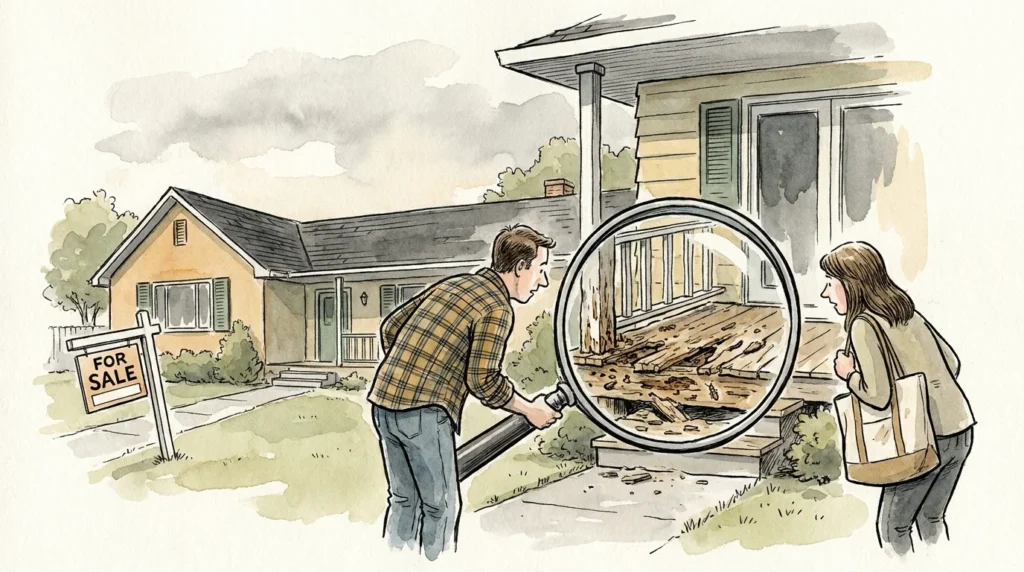
Traditional floor plans no longer reflect how modern families actually live, leading clever homeowners to completely rethink their square footage. Instead of letting formal spaces gather dust, people are transforming underutilized rooms into biophilic sanctuaries, functional potting sheds, and immersive plant lounges. You do not need an extensive renovation budget to rethink your home’s layout; you simply need to look at your existing walls with a fresh perspective. Whether you want to turn a forgotten closet into a dedicated seed-starting nook or swap your unused dining room for an indoor jungle, reclaiming your space changes everything. These nine secret room conversions blend structural creativity with serious horticultural design to maximize the potential of your home.
1. The Formal Dining Room Turned Indoor Conservatory
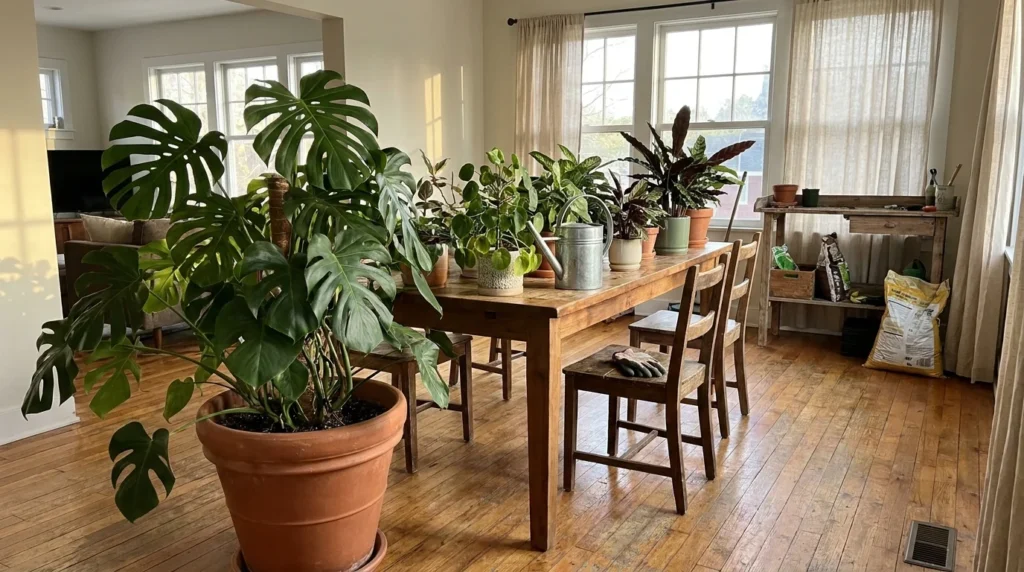
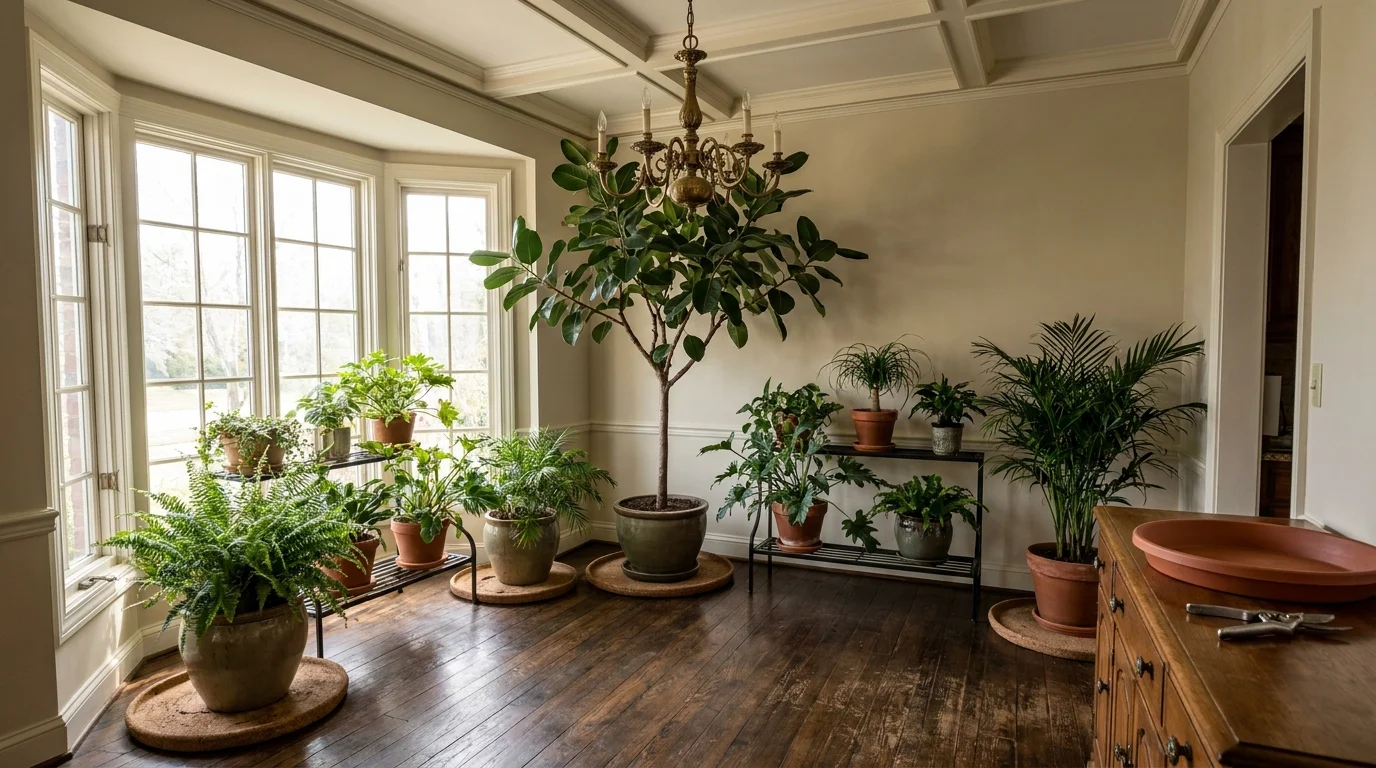
Formal dining rooms sit empty for roughly 360 days a year in the average home. Recognizing this wasted real estate, forward-thinking homeowners are trading mahogany tables for massive statement plants. The great dining room conversion trend—heavily documented on design sites like Apartment Therapy—leans into the natural light these front-facing rooms usually offer.
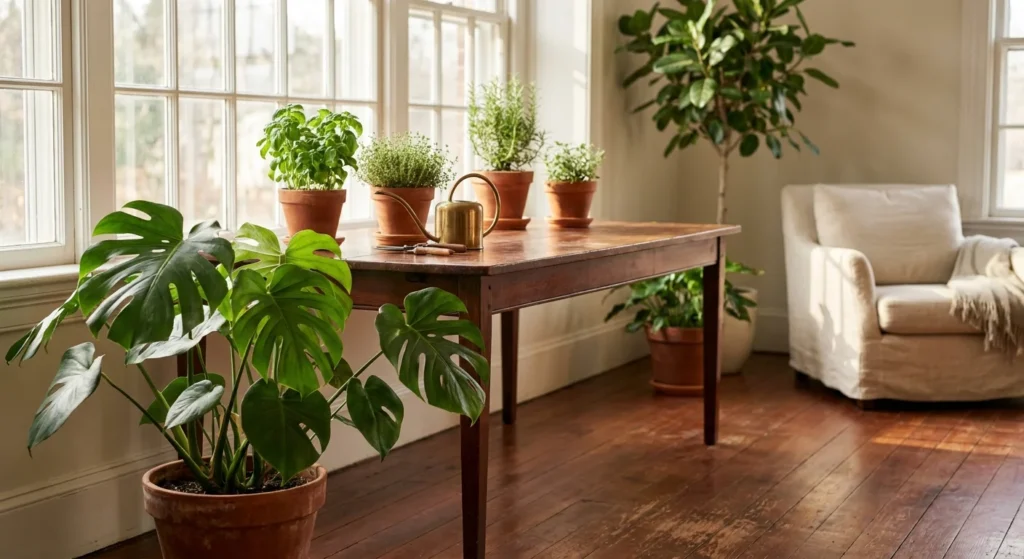
By replacing the dining table with a central floor-to-ceiling focal plant, such as a mature Ficus Audrey or a sprawling Monstera deliciosa, you create an instant indoor conservatory. Use a mix of tiered plant stands to build vertical interest, drawing the eye upward toward the chandelier. Since dining rooms frequently feature hardwood floors, you must protect your surfaces. Always place heavy-duty cork mats under your ceramic pots and use deep, waterproof saucers to catch rogue drips during your watering routine.
2. The Unused Closet Upgraded to a Seed-Starting Nook
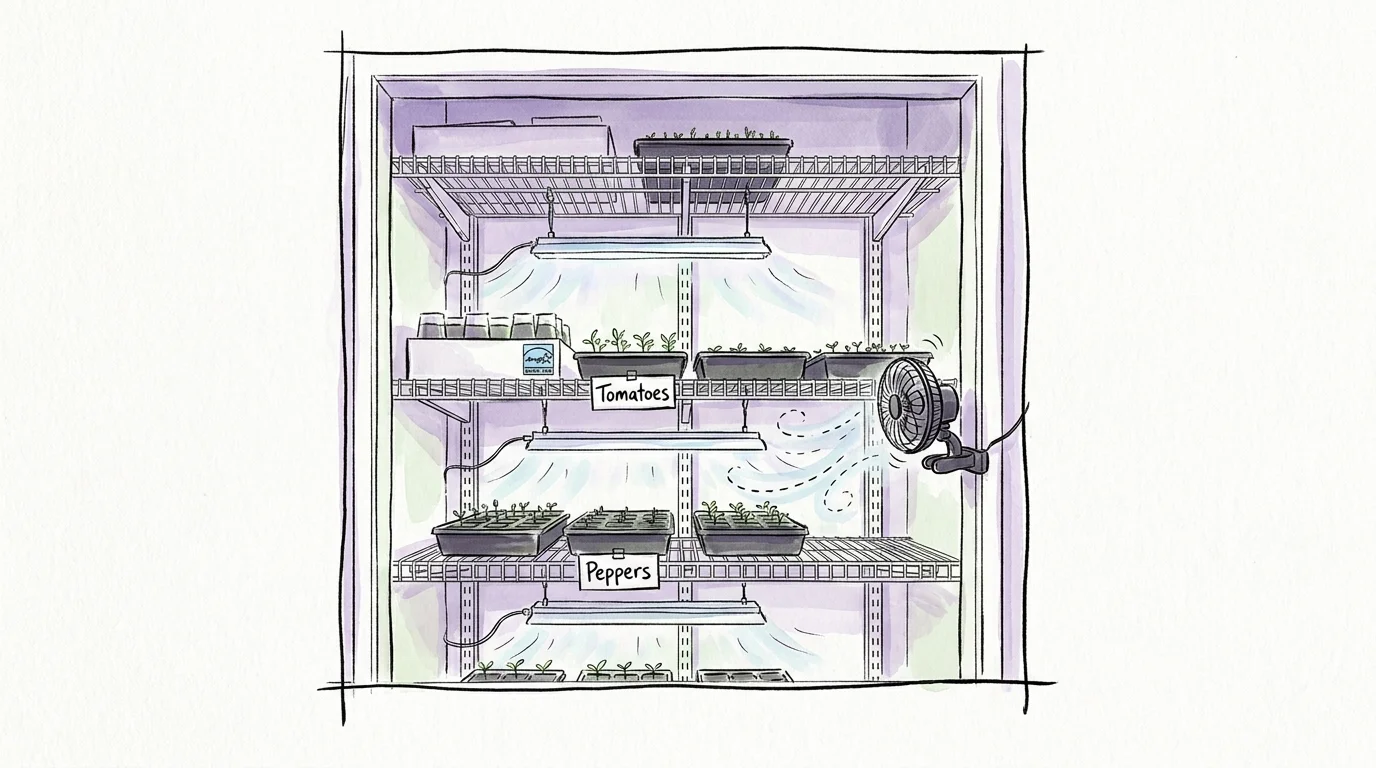
The “cloffice” (closet-turned-office) had its moment, but gardeners are taking over the coat closet next. A standard 3-by-4-foot hall closet provides the perfect microclimate for starting vegetable seeds or propagating rare houseplant cuttings.
Because closets lack natural sunlight, you maintain complete control over the photoperiod. Install adjustable wire shelving units and hang full-spectrum LED grow lights above each tier. To keep utility bills manageable and prevent overheating in an enclosed space, look for LED fixtures certified by ENERGY STAR. Seedlings require excellent airflow to prevent damping-off disease, a fungal issue that kills young sprouts. Mount a small oscillating clip fan to your wire shelves to keep the air moving and build strong, resilient stems before transplanting them outdoors.
3. The Attached Garage Transitioned into a Four-Season Potting Shed
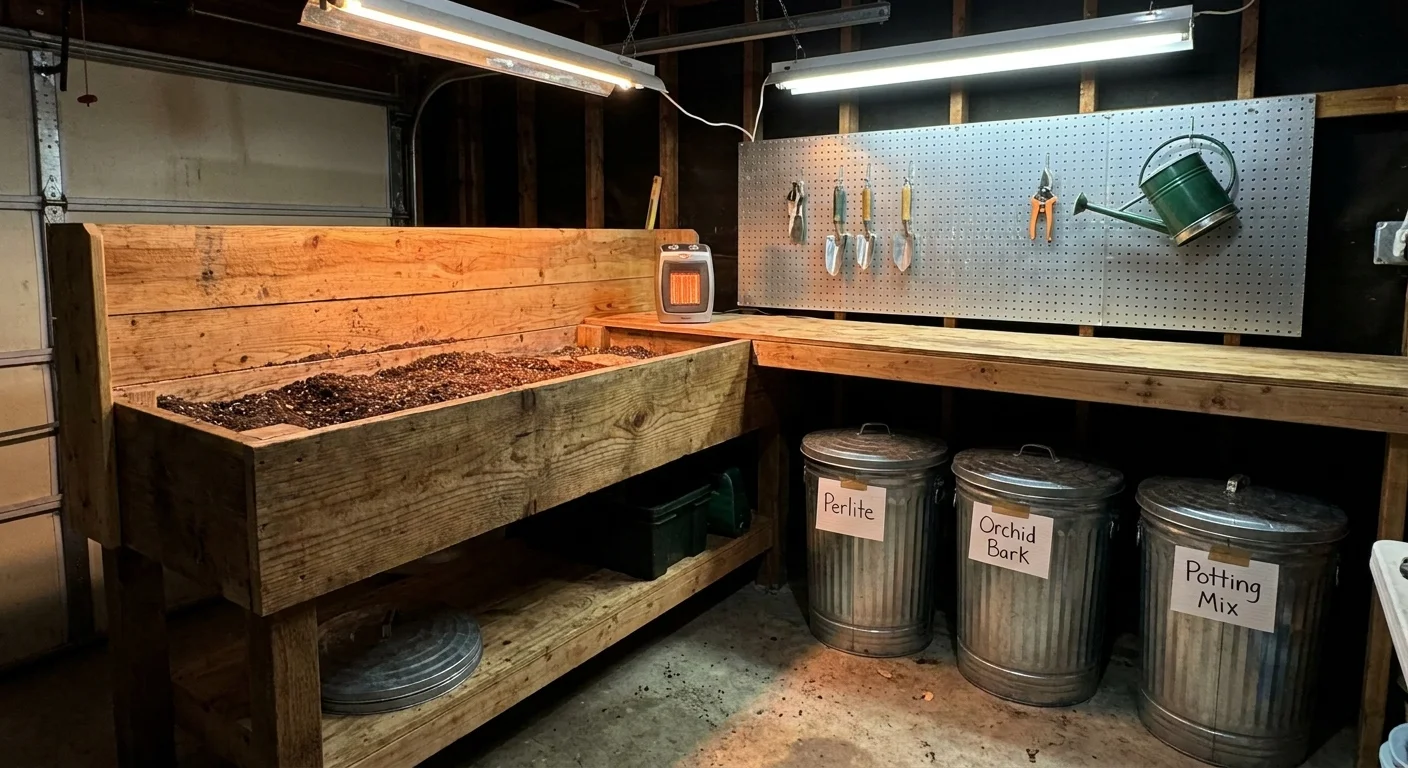
If you constantly drag bags of potting soil through your kitchen, you already know the frustration of indoor repotting. Converting one bay of an attached garage into a dedicated, four-season potting shed solves the mess entirely while keeping your tools organized.
Start by installing a sturdy wooden workbench equipped with a recessed soil bin. Store bulk materials like perlite, orchid bark, and potting mix in galvanized steel trash cans to deter rodents and pests. Utilize wall space by mounting heavy-duty pegboards for trowels, shears, and watering cans. Because garages experience massive temperature swings, you must insulate the garage door and use a space heater if you plan to overwinter dormant plants here. For guidance on insulating bare garage walls without causing moisture traps, consult the structural archives at This Old House.
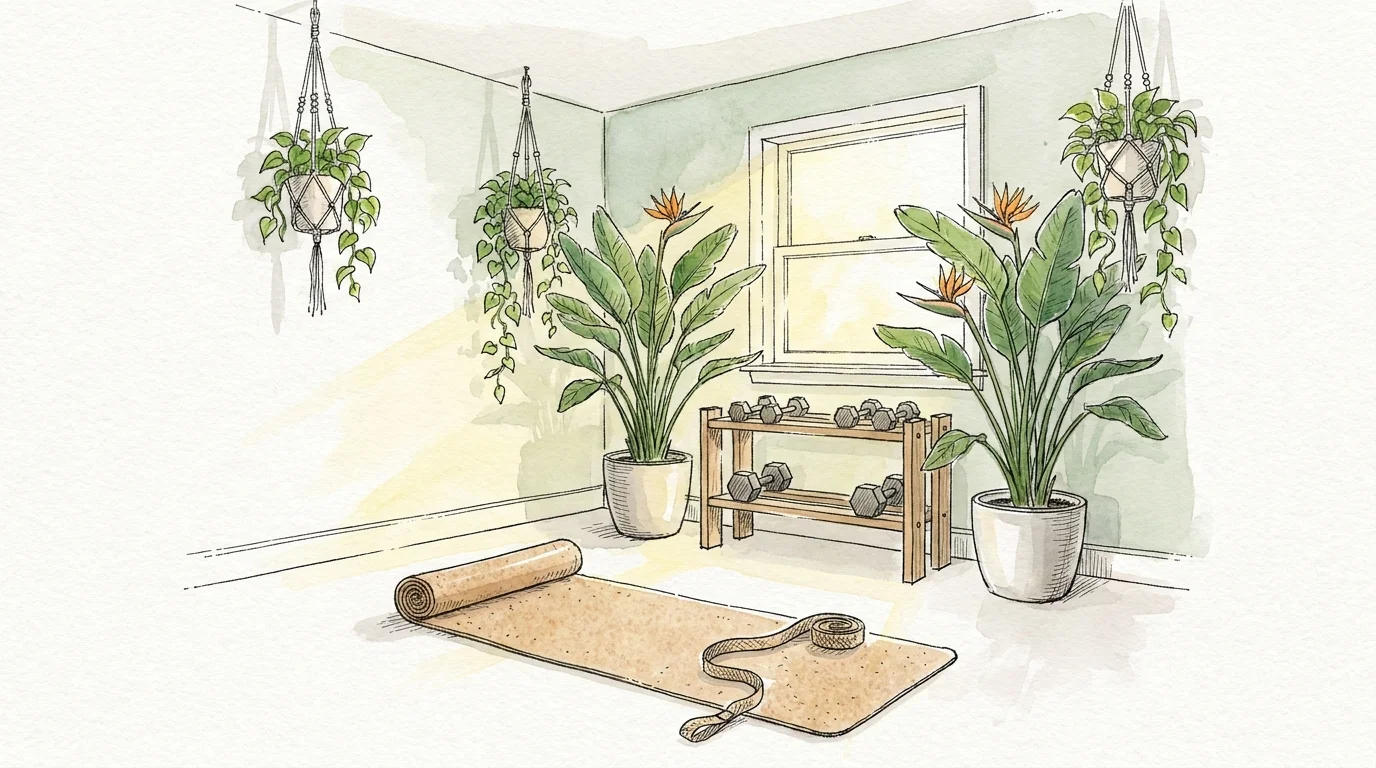
4. The Spare Bedroom Reborn as a Biophilic Wellness Gym
Standard home gyms often feel sterile and uninviting, packed with cold iron and rubber mats. To soften the space and encourage daily use, homeowners are merging their fitness rooms with their plant collections, creating biophilic wellness studios.
Plants naturally increase humidity and act as acoustic dampeners, absorbing the harsh echoes of a sparsely furnished workout room. Opt for tough, air-purifying varieties like Snake Plants (Sansevieria), ZZ Plants, and sturdy Pothos that can handle the occasional bump from a yoga mat or dumbbell. Place hanging planters in the corners of the room out of your immediate wingspan, and keep floor plants clustered near the windows. Ensure every heavy ceramic pot sits securely on a non-slip base to prevent accidents during high-intensity workouts.
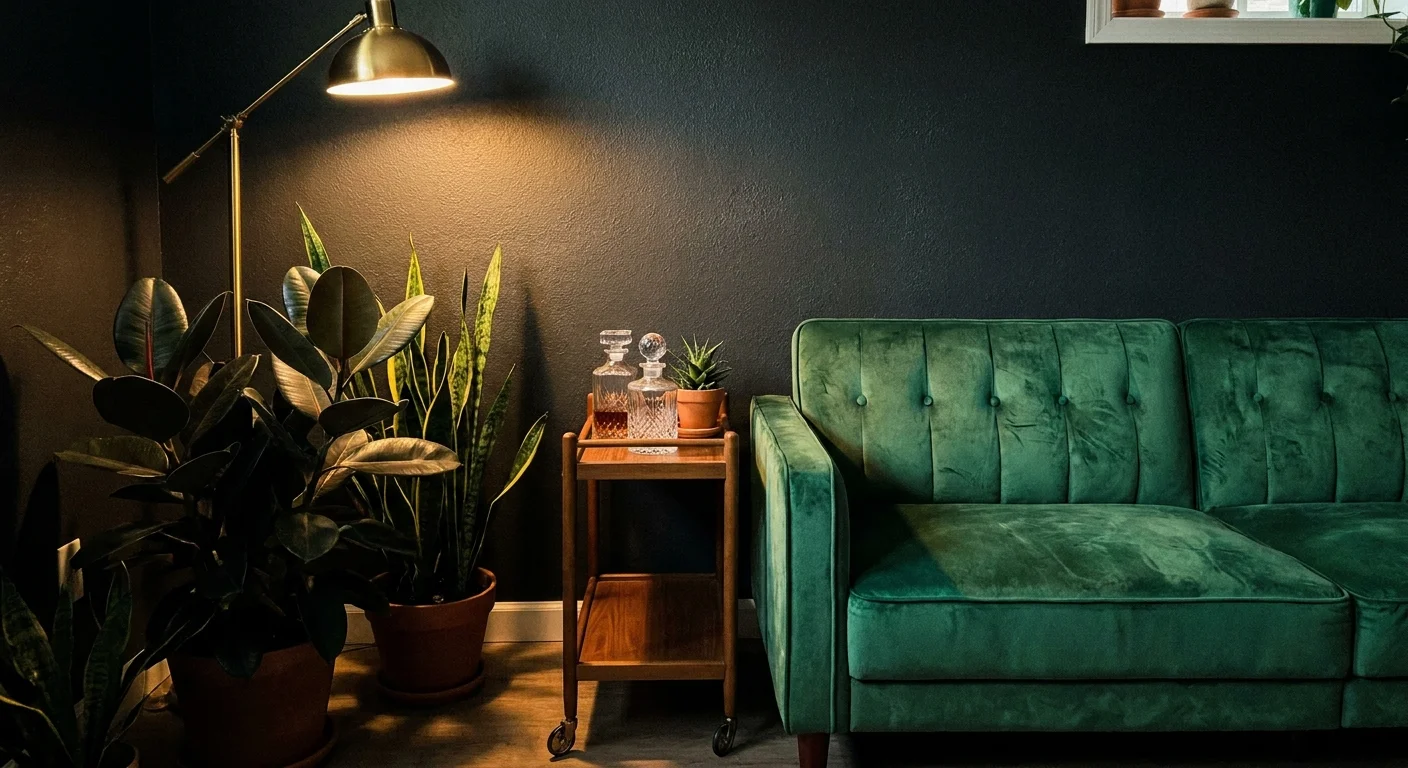
1(Lush) 2(plants) 3(and) 4(a) 5(green) 6(velvet) 7(sofa) 8(create) 9(a) 10(moody) 11(speake
5. The Basement Corner Remade into a Moody Speakeasy Plant Lounge
Basements carry a reputation for being dark, damp, and uninviting. However, those exact conditions can be manipulated to create a spectacular speakeasy-style lounge featuring low-light tolerant flora. Homeowners are carving out subterranean reading nooks illuminated by clever, disguised grow lighting.
Standard recessed ceiling lights can easily be swapped for full-spectrum LED bulbs that mimic sunlight. Paint the walls a rich, dark emerald or charcoal to lean into the moody aesthetic. Ferns, Aglaonemas, and trailing Philodendrons thrive in the naturally higher humidity of a finished basement. Just monitor the moisture levels; if your basement humidity consistently exceeds 65 percent, run a dehumidifier to prevent mildew on your drywall while keeping your tropical plants perfectly hydrated.
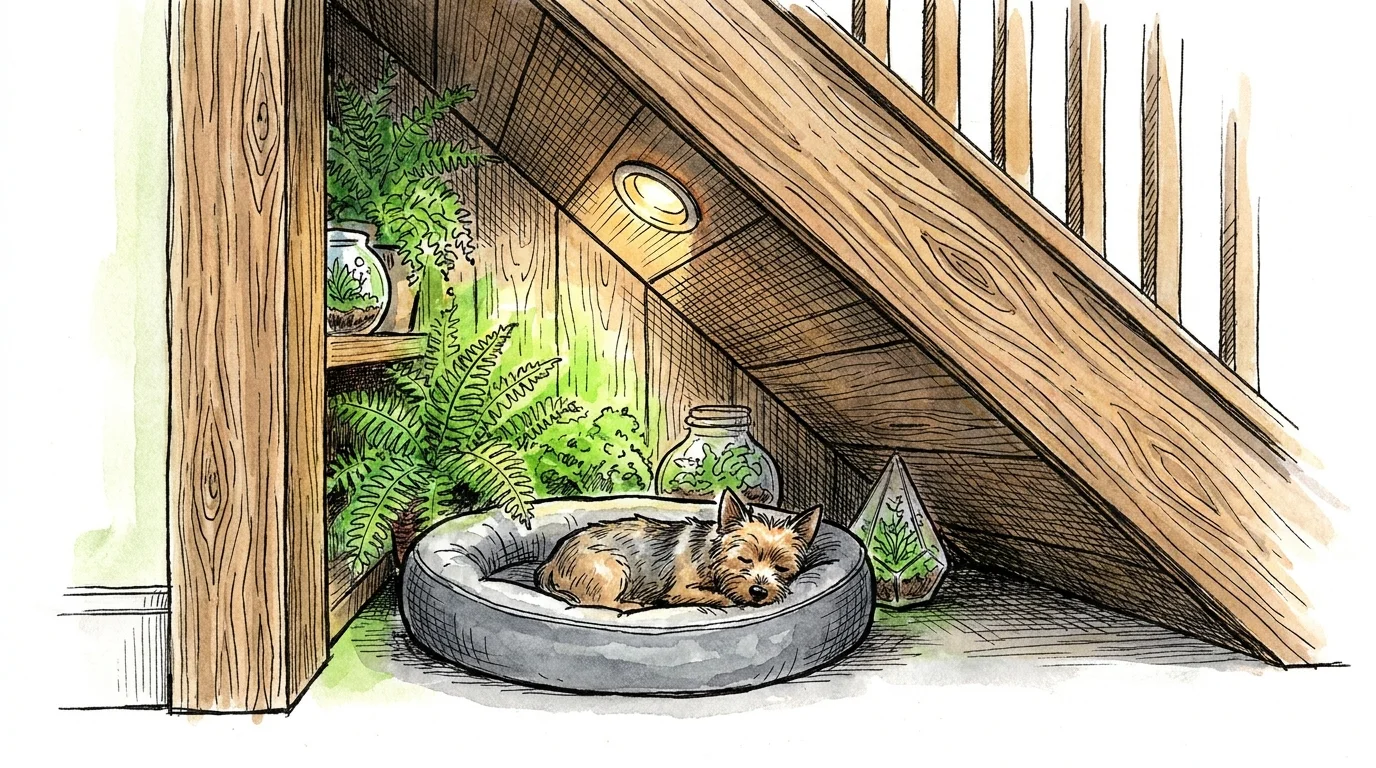
6. The Awkward Under-Stair Space Converted to a Pet and Plant Grotto
That angular, sloped space beneath the staircase is notoriously difficult to furnish. Rather than using it as a chaotic storage dumping ground, transform it into a dedicated grotto for your pets and plants. By building a custom dog or cat bed into the lowest point of the slope, you can use the taller sections for decorative shelving.
Safety is the absolute priority in a shared space. Because pets will brush up against or potentially nibble the foliage, you must exclusively use non-toxic plants here. Spider Plants, Calatheas, Boston Ferns, and Peperomias offer beautiful textures without putting your furry friends at risk. Always cross-reference your plant list with the ASPCA Animal Poison Control database before bringing a new specimen into your pet grotto.
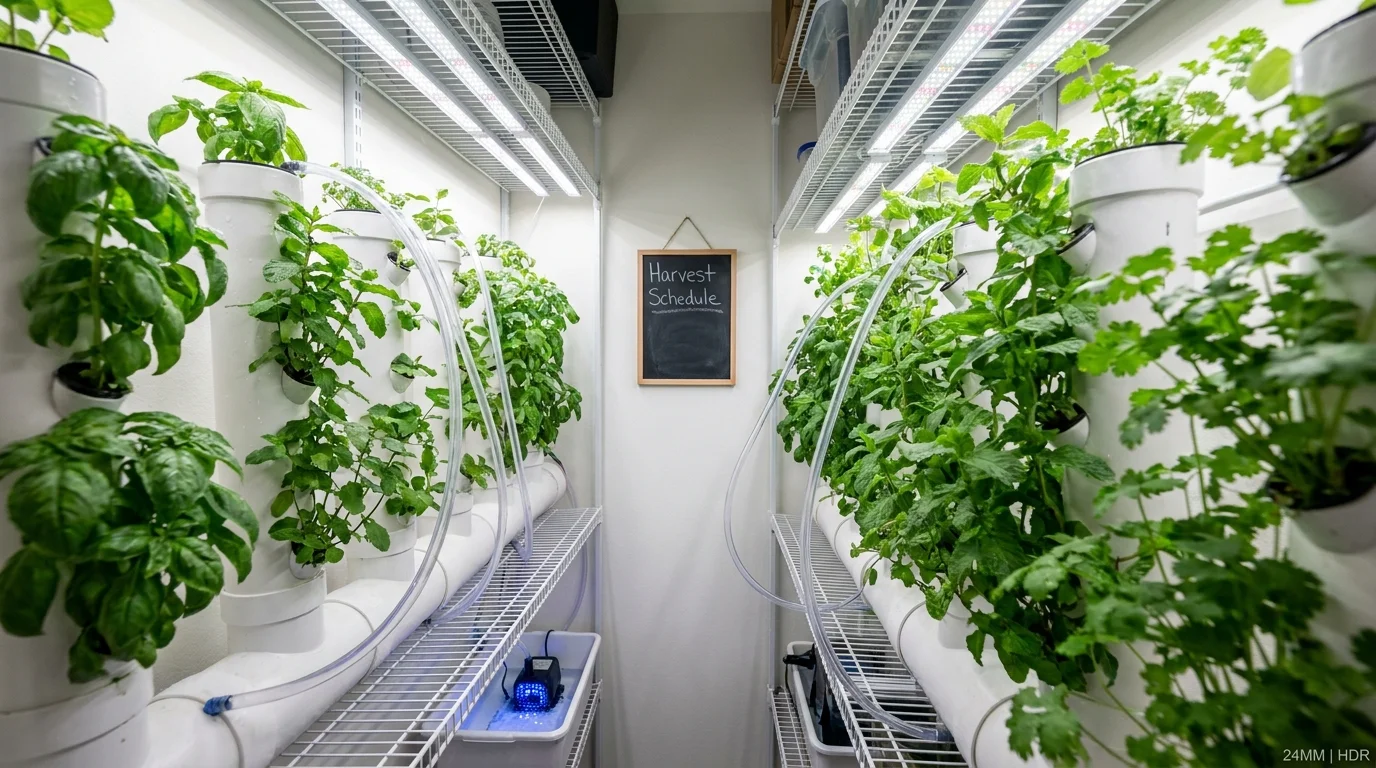
7. The Walk-in Pantry Transformed into a Hydroponic Herb Farm
Instead of storing paper towels and expired canned goods, culinary enthusiasts are turning their walk-in pantries into fully functional hydroponic herb farms. Having fresh basil, cilantro, and mint just steps from the kitchen island elevates daily cooking without requiring a backyard garden.
Vertical hydroponic towers or simple Kratky-method mason jars fit perfectly on standard pantry shelves. Because hydroponic systems require water, nutrients, and light, you must protect your wooden pantry shelves with heavy plastic liners. Install under-cabinet LED light strips on timers to ensure the herbs receive 12 to 14 hours of daily illumination. Keep the pantry door slightly ajar during the day, or install a louvered door to prevent the space from becoming overly humid and stale.
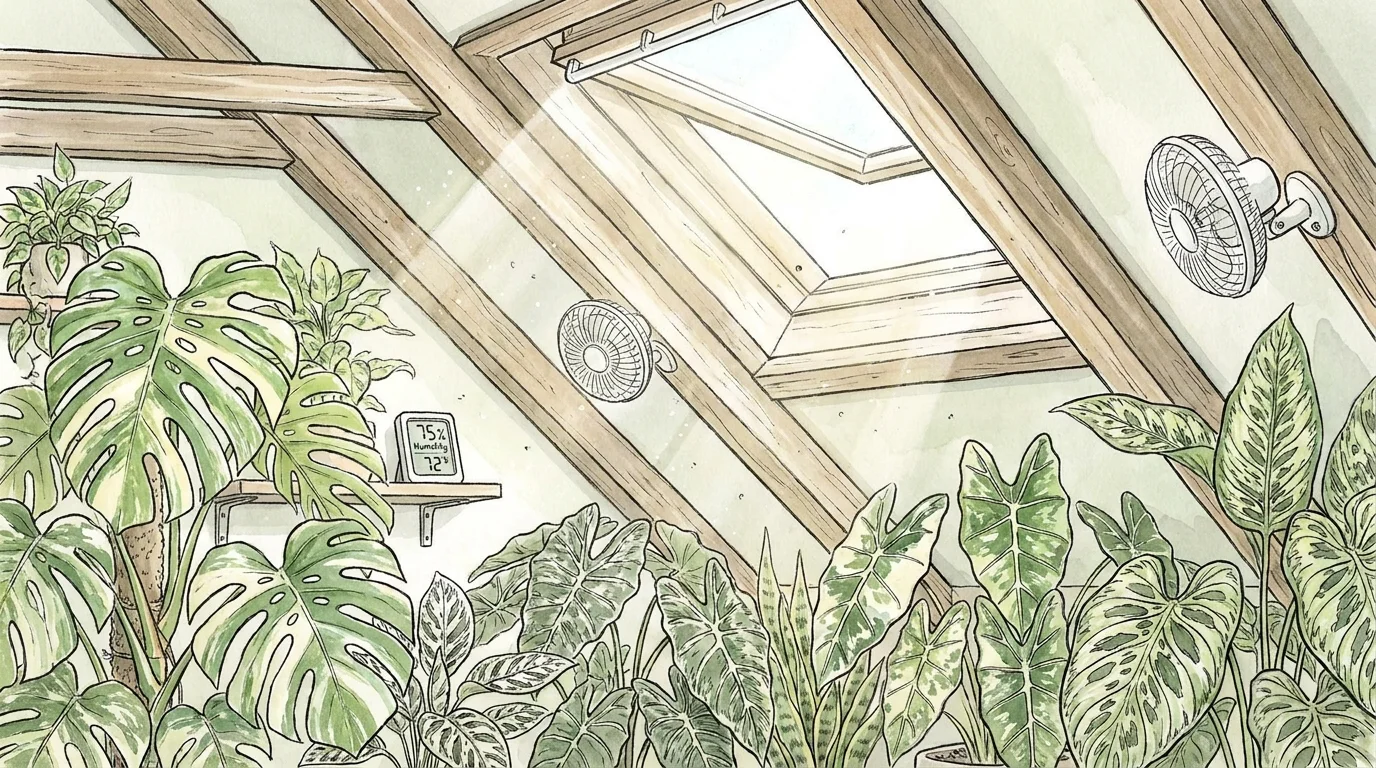
8. The Dusty Attic Elevated to a Climate-Controlled Rare Plant Room
For the serious collector, an attic offers isolation from household traffic and the potential for a highly controlled environment. Rare aroids, delicate orchids, and expensive Anthuriums require specific temperature and humidity parameters that are difficult to maintain in an open living room.
Attic conversions require careful planning regarding temperature regulation. You will need a portable air conditioner for the brutal summer months and a reliable heating source for the winter. Furthermore, attics often feature slanted ceilings with skylights; use sheer curtains over these windows to diffuse the intense midday sun and prevent scorched leaves. A dedicated plant room also acts as a quarantine zone, allowing you to treat newly purchased plants for pests before introducing them to the rest of your home.
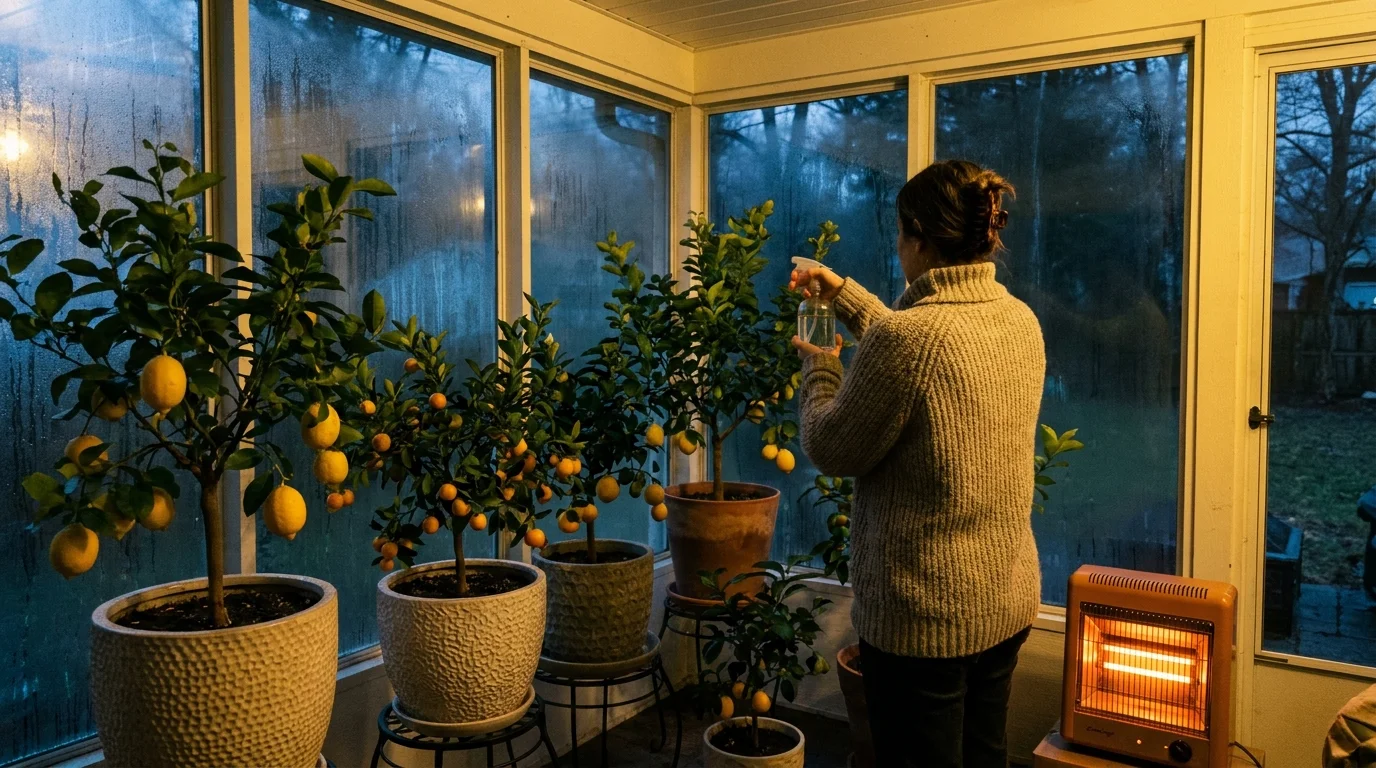
9. The Unused Screened Porch Enclosed for an Overwintering Orangery
If your screened-in porch sits abandoned from November through March, enclosing it creates a magnificent overwintering space for citrus trees, hibiscus, and large patio tropicals. By adding heavy-duty vinyl panels or installing tempered glass over the existing screens, you trap ambient heat from the sun and the adjoining house walls.
To turn a porch into a true orangery, place a radiant outdoor rug over the concrete or wooden decking to insulate the root zones of your potted trees. Group your heaviest pots on wheeled caddies so you can rotate them toward the shifting winter light. Citrus trees are particularly prone to spider mites when brought indoors; run a humidifier nearby and routinely mist the foliage to create an inhospitable environment for these microscopic pests.
“In every walk with nature, one receives far more than he seeks.” — John Muir
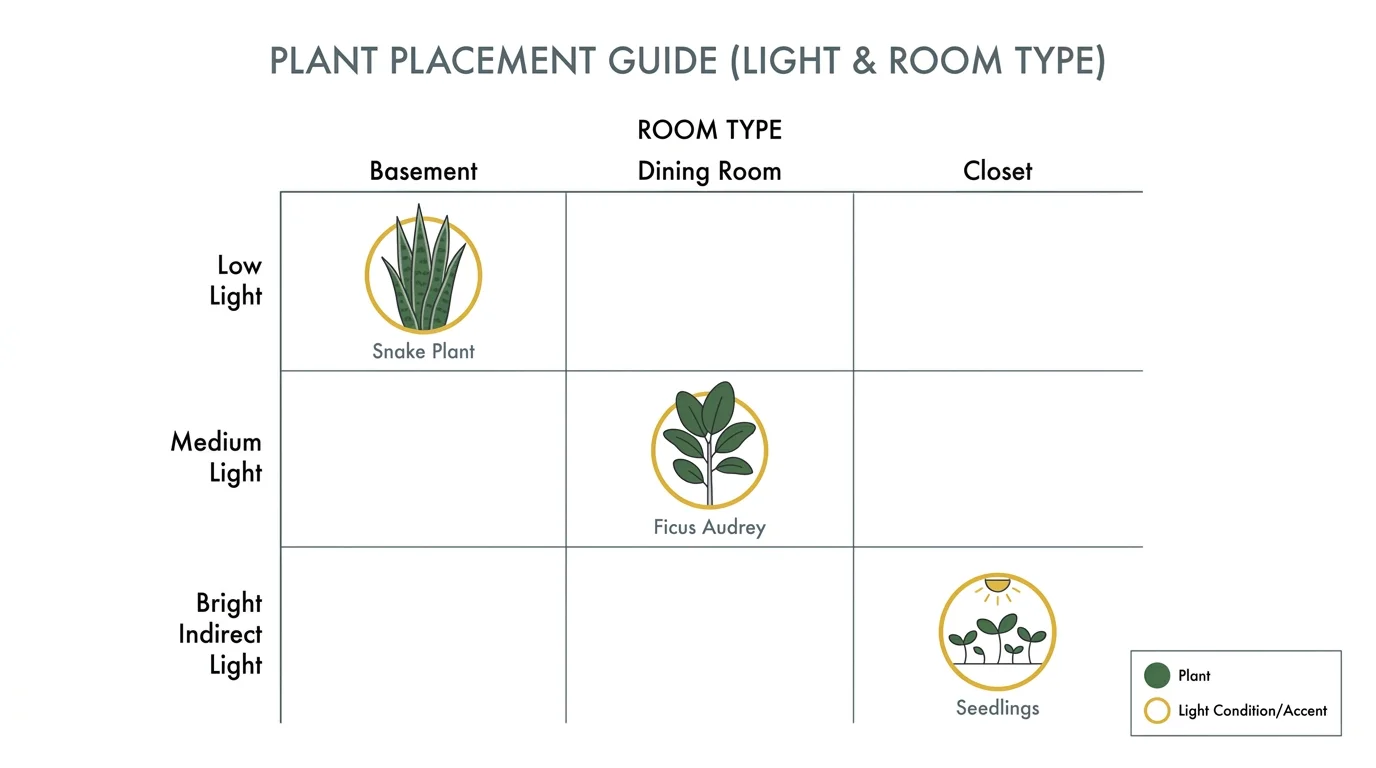
Essential Plant and Light Pairings for Room Conversions
Not every plant works in every transformed space. Matching the environmental realities of your converted room to the right plant species determines your success. Use this guide to pair your new space with optimal foliage.
| Room Conversion | Light Availability | Ideal Plant Pairings | Critical Success Factor |
|---|---|---|---|
| Dining Room Conservatory | Bright, Indirect (Windows) | Ficus Audrey, Monstera, Bird of Paradise | Floor protection from heavy watering |
| Closet Seed Nook | None (Artificial Only) | Vegetable Seedlings, Pothos Cuttings | Oscillating fans for air circulation |
| Basement Speakeasy | Low / Artificial | ZZ Plant, Aglaonema, Ferns | Managing ambient mold and moisture |
| Pantry Hydro Farm | Artificial LED | Basil, Mint, Microgreens | Nutrient water pH balancing |
| Attic Rare Plant Room | Bright (Skylights) | Anthurium, Philodendron, Orchids | Extreme temperature regulation |
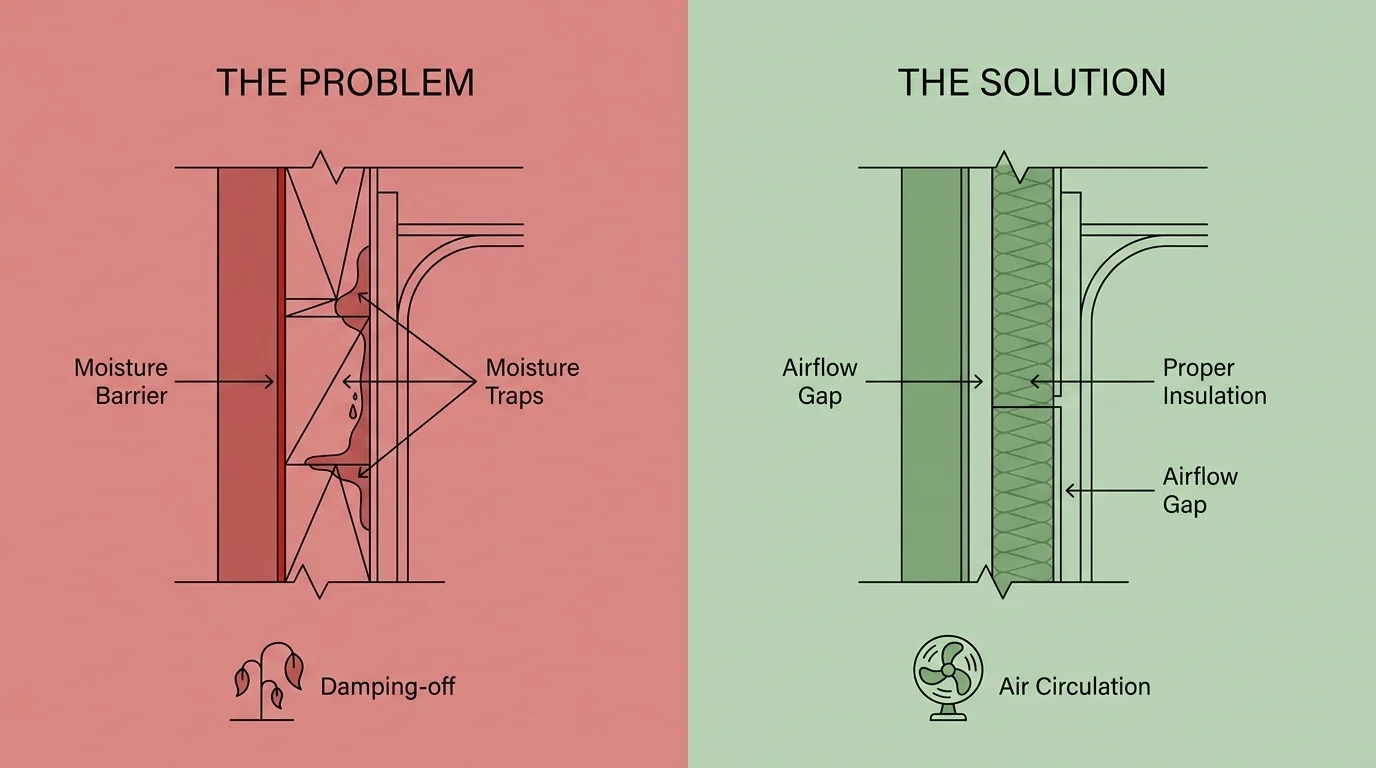
Where Most People Go Wrong with Room Makeovers
Transforming a traditional room into a specialized horticultural space requires more than just moving furniture and buying potting soil. Homeowners frequently encounter entirely avoidable setbacks by ignoring the structural realities of their homes. Watch out for these common pitfalls:
- Ignoring Water Weight: A gallon of water weighs approximately 8.3 pounds. When you deeply water a large ceramic pot filled with dense soil, it can easily weigh over 150 pounds. Grouping too many heavy pots in the center of an older room without checking floor joist spans can lead to sagging floors.
- Trapping Moisture Against Drywall: Shoving a massive, heavily transpiring tropical plant directly into the corner of a room traps moisture against the paint and drywall. Always leave at least six inches of breathing room between your foliage and the wall to prevent peeling paint and mold accumulation.
- Relying on Cheap “Purple” Grow Lights: While inexpensive blurple (blue/purple) lights technically grow plants, they ruin the aesthetic of a home, making your dining room look like a nightclub. Invest in full-spectrum, warm-white LED lights that nourish plants while appearing identical to normal, high-quality home lighting.
- Forgetting Floor Protection: Condensation forms under plastic and ceramic pots even if you never spill a drop of water. Placing pots directly on hardwood floors will eventually leave dark, circular water stains. Always elevate pots using cork mats, felt pads, or wheeled plant dollies.
When to Call a Professional
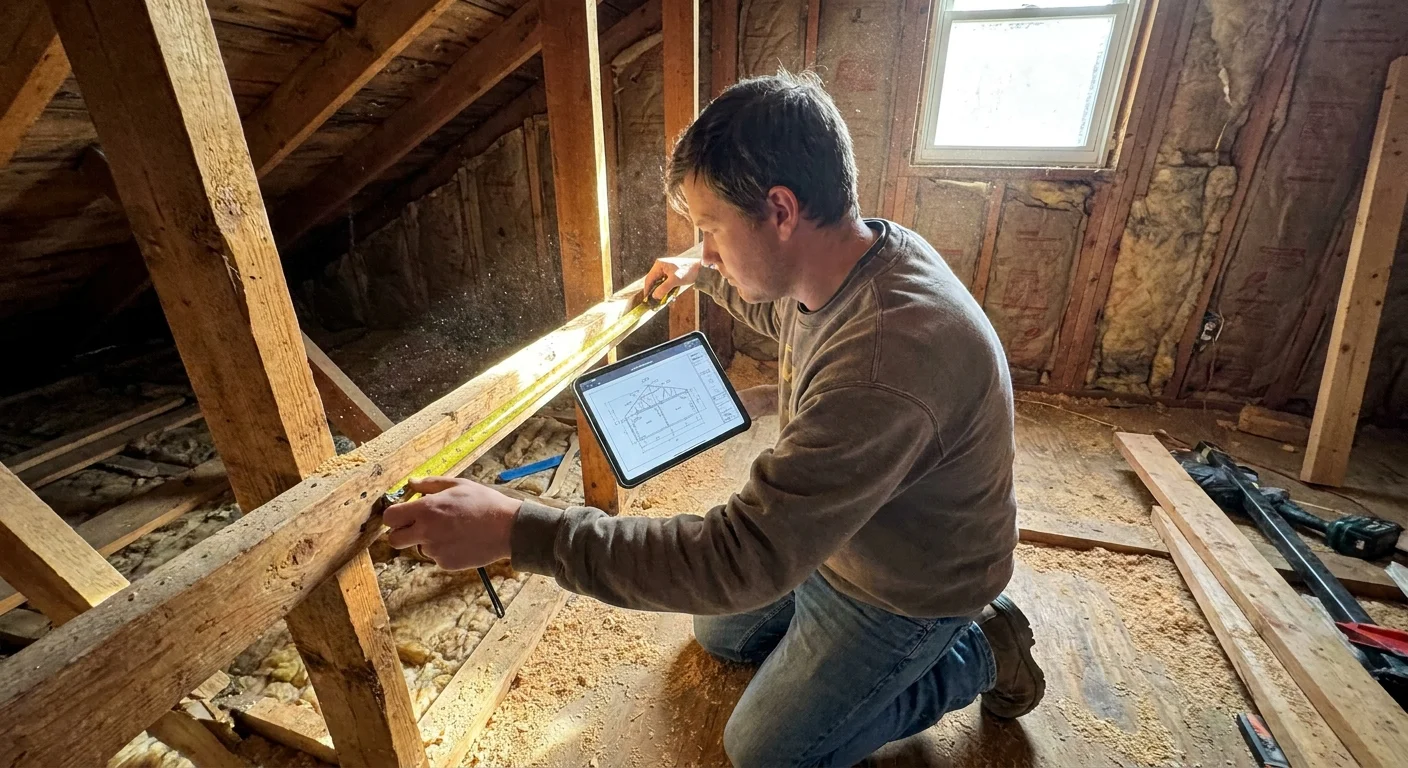
While painting a closet and hanging a few wire shelves requires minimal DIY experience, some room conversions demand professional intervention. Protect your home’s integrity by calling experts in these specific scenarios.
Call a licensed electrician if you plan to run multiple heavy-duty grow lights, space heaters, and humidifiers in a single room like an attic or closet. Daisy-chaining power strips on a standard 15-amp bedroom circuit creates a severe fire hazard. An electrician can run a dedicated 20-amp circuit specifically for your plant gear.
Hire a plumber if you are converting a garage or spare room into a potting shed and want a deep utility sink. Tapping into your home’s main water line and properly venting a new drain pipe is not a weekend trial-and-error project. Improper drainage leads to catastrophic water damage behind your walls.
Consult a structural engineer if you are converting a second-story room or attic into a massive conservatory. If you plan to house hundreds of gallons of water, heavy soil, and large stone containers, an engineer will verify that your floor joists can support the dead weight.
Frequently Asked Questions About Repurposing Rooms
How do I increase humidity for plants without causing mold in my house?
The key is constant airflow. A humidifier running in a stagnant room will quickly lead to condensation on the windows and mold on the window sills. Pair your humidifier with a ceiling fan or a small oscillating fan. Keeping the air moving ensures the plant leaves absorb the moisture while preventing water vapor from settling directly onto your drywall and trim.
Are high-powered grow lights safe to leave on when I am not home?
Yes, provided you purchase quality, safety-certified lighting. Look for fixtures with UL (Underwriters Laboratories) or ETL certifications. Plug your lights into a surge protector with a built-in heavy-duty timer, and keep combustible materials like dry moss or paper towels at least a foot away from the light source. LED lights run significantly cooler than old-school incandescent or high-pressure sodium bulbs, dramatically reducing the risk of fire.
What is the easiest room conversion for a beginner?
The formal dining room conversion is by far the easiest. It requires zero structural changes, no plumbing, and no complex electrical work. You simply remove the dining furniture, assess the natural light coming from your existing windows, and slowly bring in statement plants. It allows you to test the waters of indoor landscaping before committing to wire shelving, grow tents, or hydroponic systems.
Reclaim Your Square Footage
Your home should serve your current passions, not an outdated blueprint of how people lived fifty years ago. Whether you start small by outfitting a hall closet with a single grow light or go all-in on an overwintering porch, repurposing your space brings daily joy and functional beauty into your routine. Grab a tape measure, evaluate the natural light in that dusty spare room, and begin planning your indoor oasis today.
Plant care requirements vary by climate, soil, and growing conditions. Always confirm plant toxicity with your veterinarian if you have pets or young children.
Last updated: February 2026. Plant care guidance reflects current horticultural best practices—always observe your specific plant’s signals.