As you transition into a new phase of your home lifestyle, the square footage that once felt essential often transforms into a collection of dusty, neglected spaces.
Aging at home changes how you navigate daily routines, revealing that grand dining areas and formal parlors no longer serve your actual lifestyle. Instead of paying to heat and cool empty rooms, savvy homeowners are reclaiming these forgotten zones.
By rethinking the traditional floor plan and incorporating smart design elements alongside vibrant indoor gardens, you can breathe fresh energy into spaces you haven’t stepped foot in for months.
Let’s explore the nine spaces you are likely ignoring and discover how to repurpose them for a functional, joyful future.
01 The Formal Dining Room
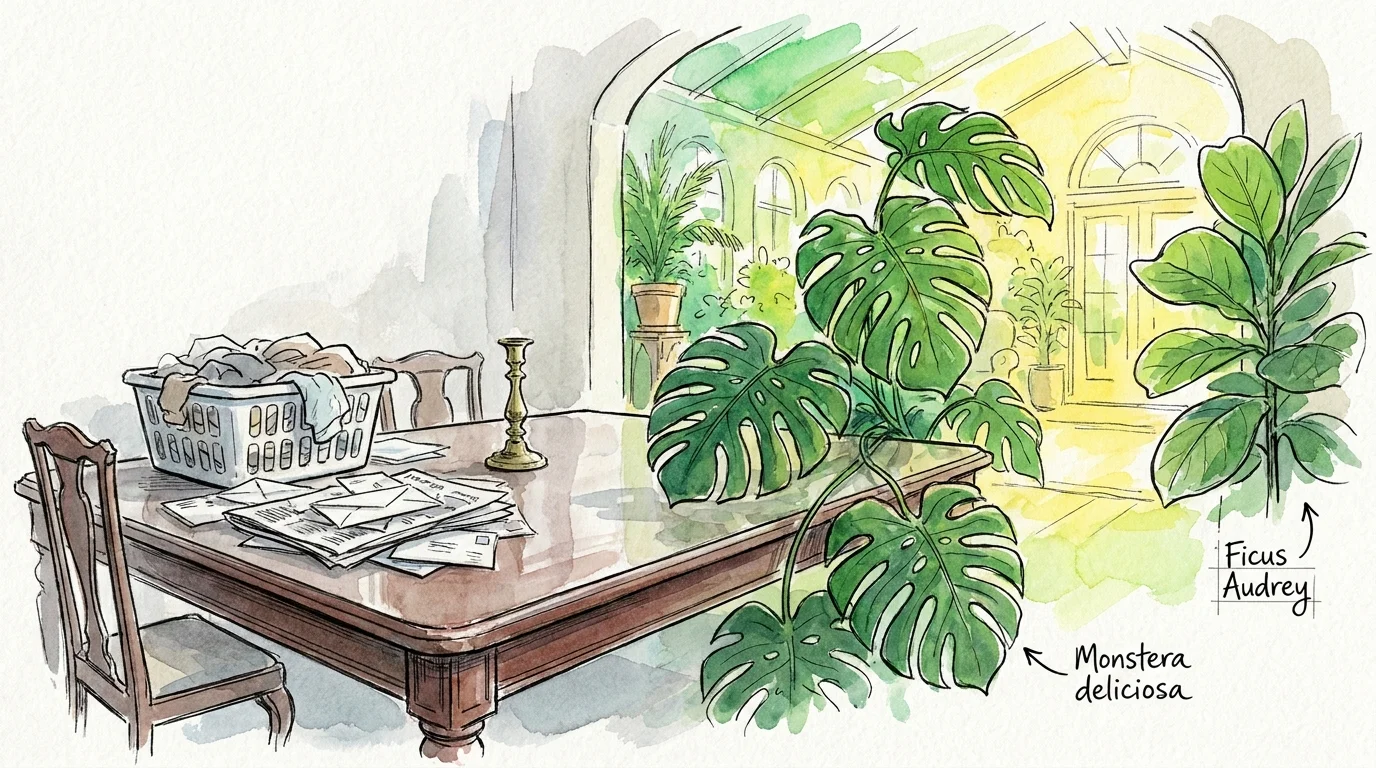
The sprawling mahogany dining table seated twelve for Thanksgiving a decade ago; today, it likely collects mail and laundry. Homeowners overwhelmingly shift toward casual, kitchen-island dining as they age, leaving the formal dining room completely abandoned.
Because these rooms were historically designed to impress guests, they usually feature excellent natural light from large, street-facing windows.
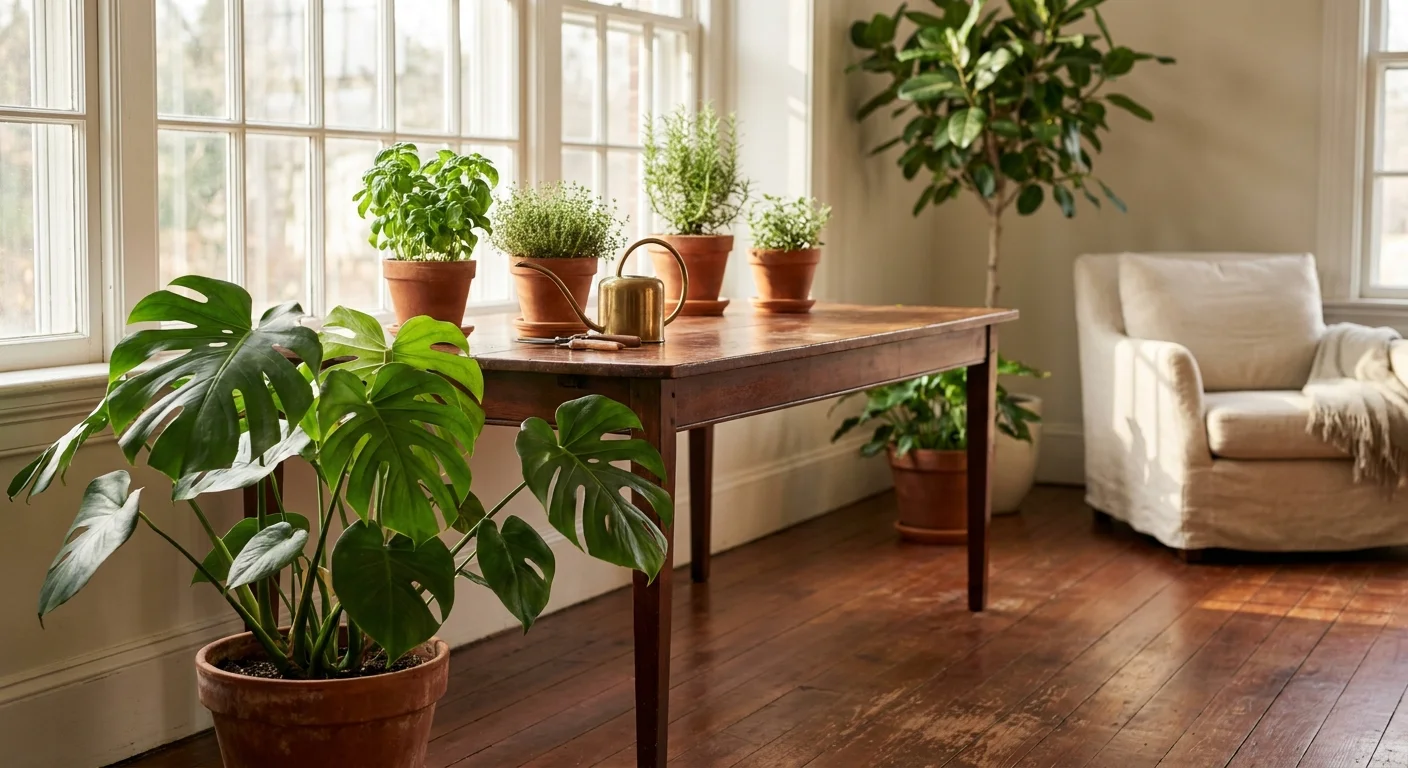
Reclaim this premium square footage by converting the dining room into a sun-drenched indoor conservatory or a comfortable reading library. Push the heavy dining table against a wall to serve as a potting bench or display table for a spectacular indoor jungle.
If you have bright, indirect light, this is the perfect place to cultivate statement plants like the dramatic Monstera deliciosa or a towering Ficus Audrey.
Before filling your new sanctuary with lush greenery, always verify plant safety for your furry companions via the ASPCA Animal Poison Control database.
02 The Multi-Bed Guest Wing
Maintaining multiple guest bedrooms requires constant dusting, vacuuming, and heating for visitors who might only stay two weekends a year.
As people grow older, they often realize that family members prefer the privacy of nearby hotels or short-term rentals, turning the upstairs guest wing into a museum of unused mattresses.
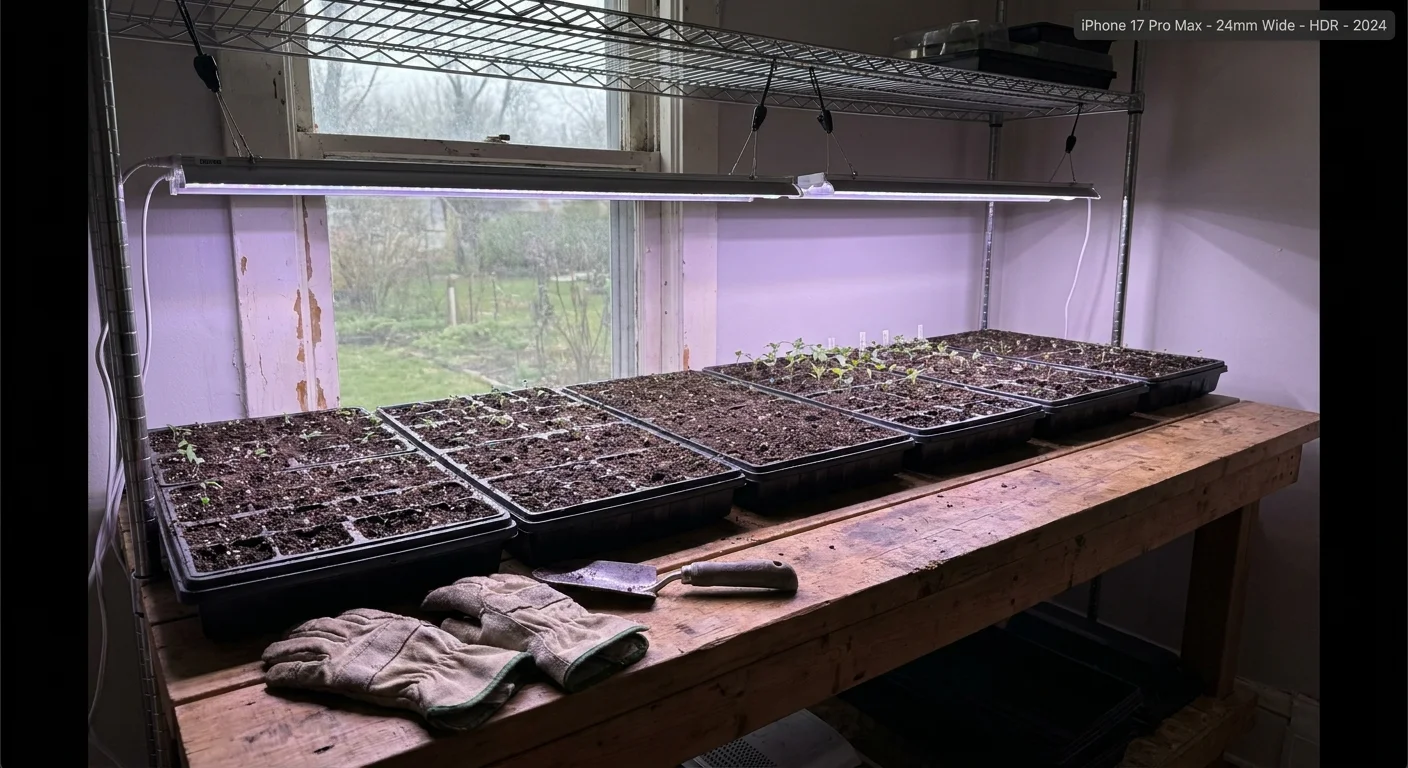
Keep one consolidated, comfortable guest room and aggressively repurpose the others. A former bedroom makes an exceptional dedicated yoga studio, craft room, or seed-starting station.
By replacing the bed with a large, counter-height work table, you save your back from the strain of bending over.
Set up wire shelving with full-spectrum LED grow lights, and you can comfortably start your spring vegetable seeds indoors—no more kneeling in the cold April mud.
03 The Deep Soaking Tub Bathroom
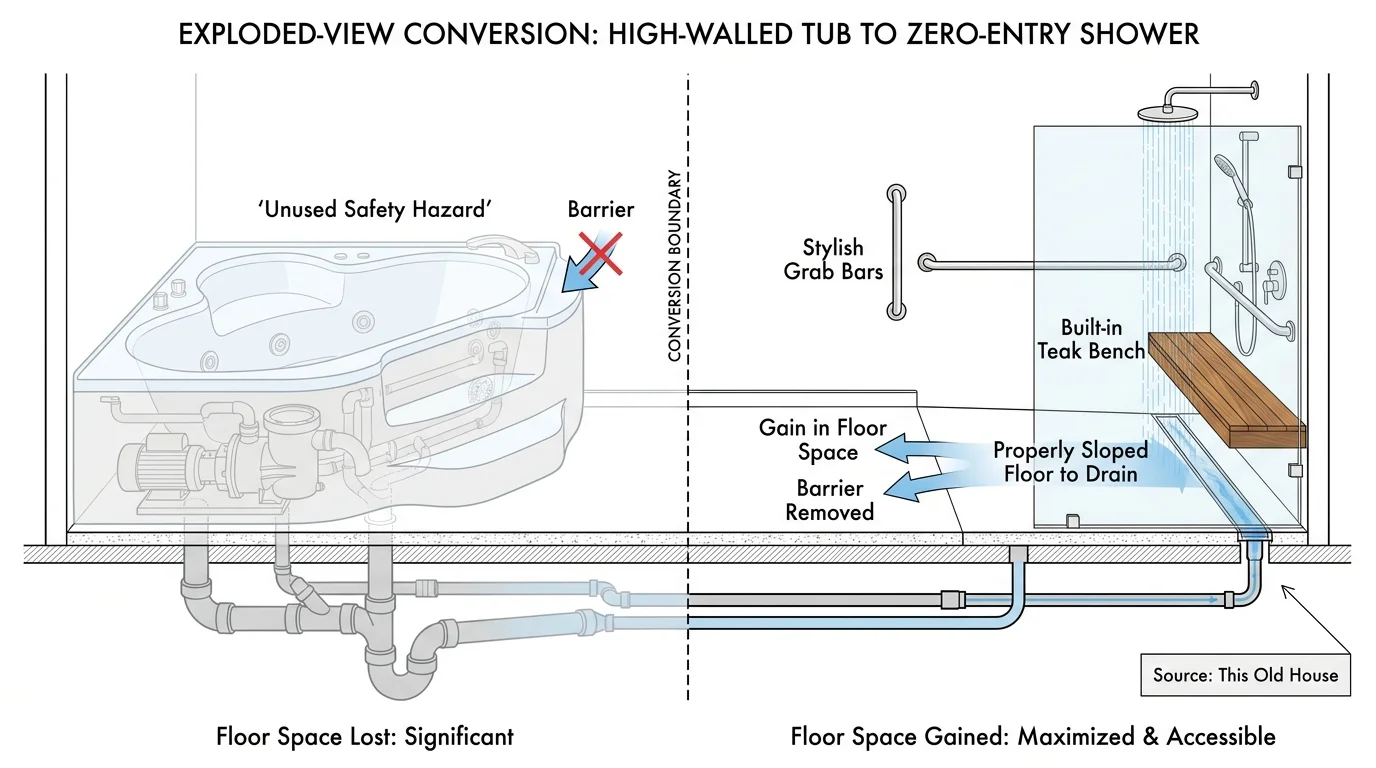
During the design booms of the 1990s and early 2000s, massive, jetted corner tubs were the ultimate symbol of home luxury. Today, climbing over a high, slippery tub wall becomes a significant safety hazard.
Most aging homeowners simply stop using the fixture entirely, opting for a smaller, safer shower stall down the hall.
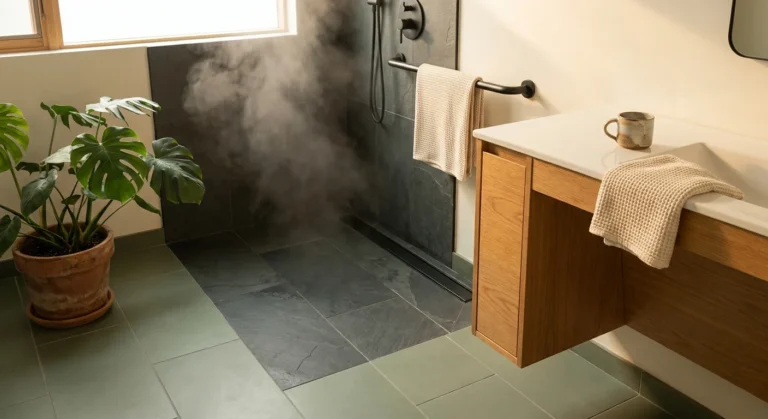
Tear out the unused monolith and install a zero-entry, curbless shower. Removing the tub opens up an enormous amount of floor space, allowing for wide entryways, built-in teak benches, and grab bars that genuinely look stylish.
Resources like This Old House offer brilliant structural guides for properly sloping the bathroom floor to accommodate a curbless drain, ensuring water stays exactly where it belongs.
04 The Formal Living Room (Parlor)
If your home features a formal living room at the front entry and a casual family room in the back, chances are you haven’t sat in the front room for quite some time.
Formal parlors were designed for receiving guests without exposing them to the messy reality of the main house. Modern living embraces the mess, rendering the formal parlor obsolete.
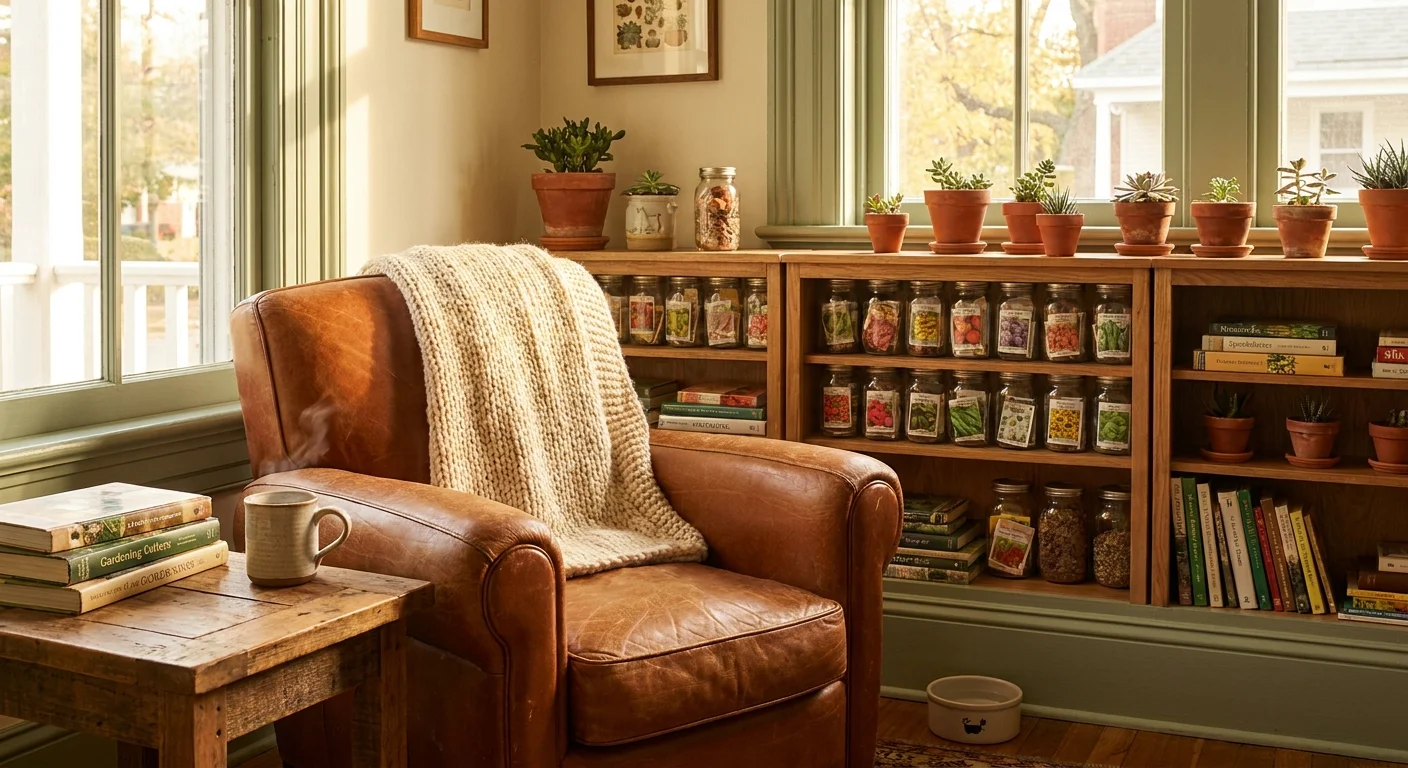
Transform this space into a dedicated music room, an expansive home office, or a gallery for your art and plant collections. Because these rooms are often separated from the main chaos of the kitchen, they offer incredible acoustic privacy.
Treat the room like a blank canvas—bring in comfortable, supportive seating and surround it with low-maintenance structural plants like ZZ Plants (Zamioculcas zamiifolia) or Snake Plants (Dracaena trifasciata) that thrive without constant attention.
“A house is not a home unless it contains plants, light, and something growing.” — Traditional Design Principle
05 The High-Maintenance Outdoor “Room”
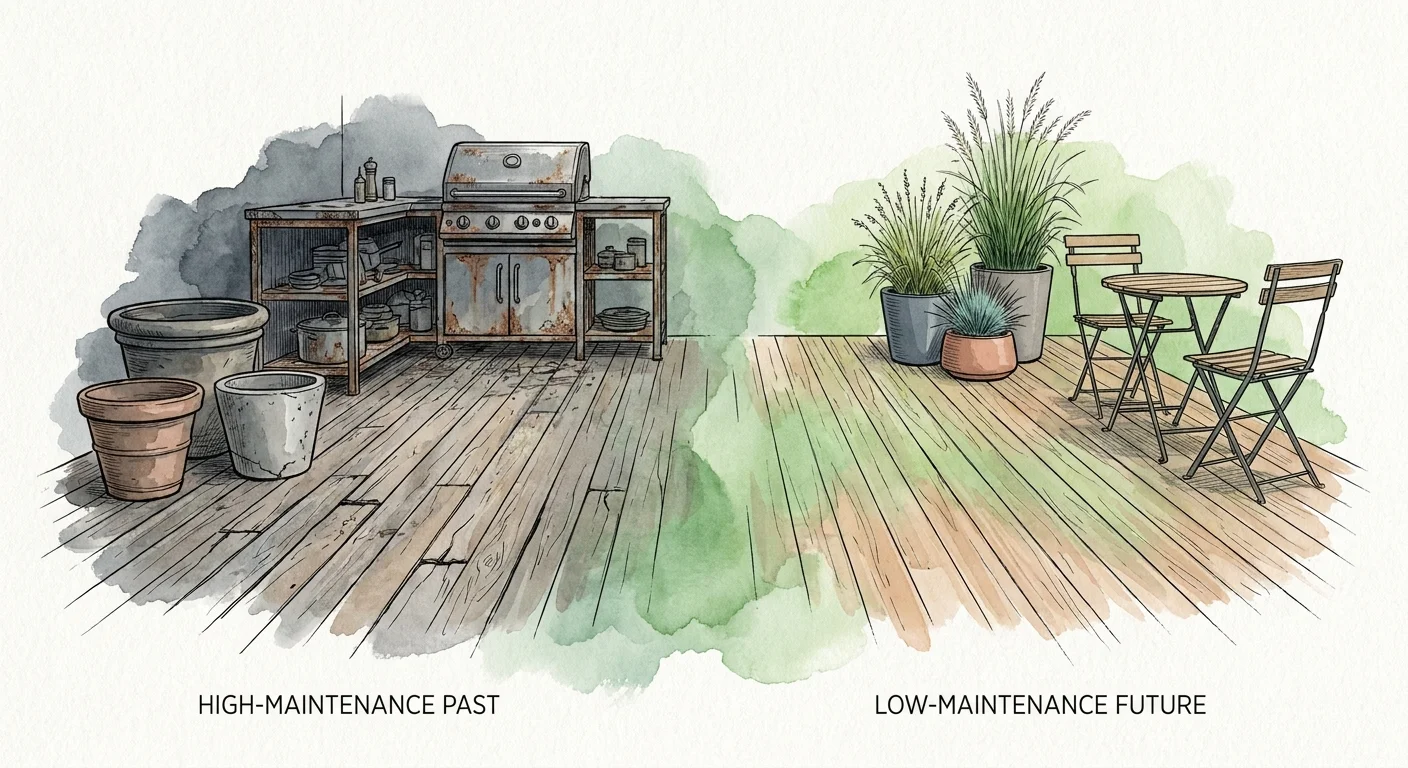
Outdoor living spaces count as rooms, and the elaborate perennial borders or massive multi-level wooden decks that took hours to weed and stain usually become overwhelming.
Hauling bags of mulch and pushing a heavy mower loses its appeal, causing homeowners to retreat indoors and look out at an increasingly wild yard.
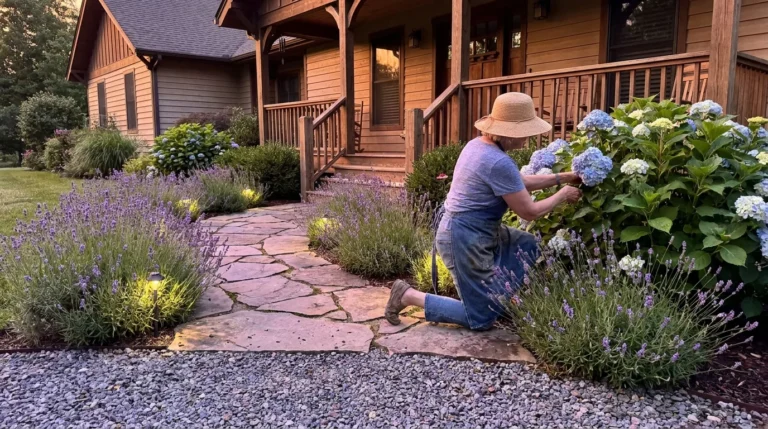
Transition your traditional garden into an accessible outdoor sanctuary. Rip out fussy, thirsty annuals and replace them with native, drought-tolerant shrubs that require almost zero pruning.
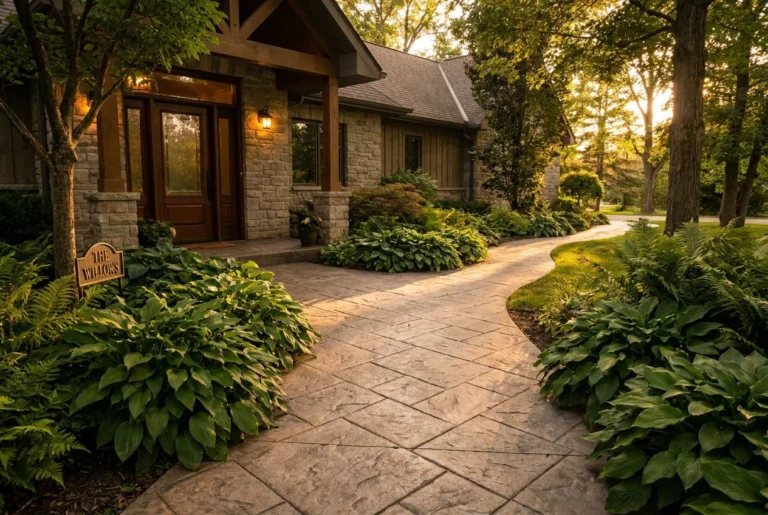
Replace expansive wooden decking—which demands yearly sealing and sanding—with beautiful, durable stone pavers. Bring your gardening up to waist height by installing galvanized steel raised beds or large terra cotta containers.
You still get the immense joy of harvesting your own tomatoes, but without the agonizing back pain.
06 The Second-Story Laundry Room
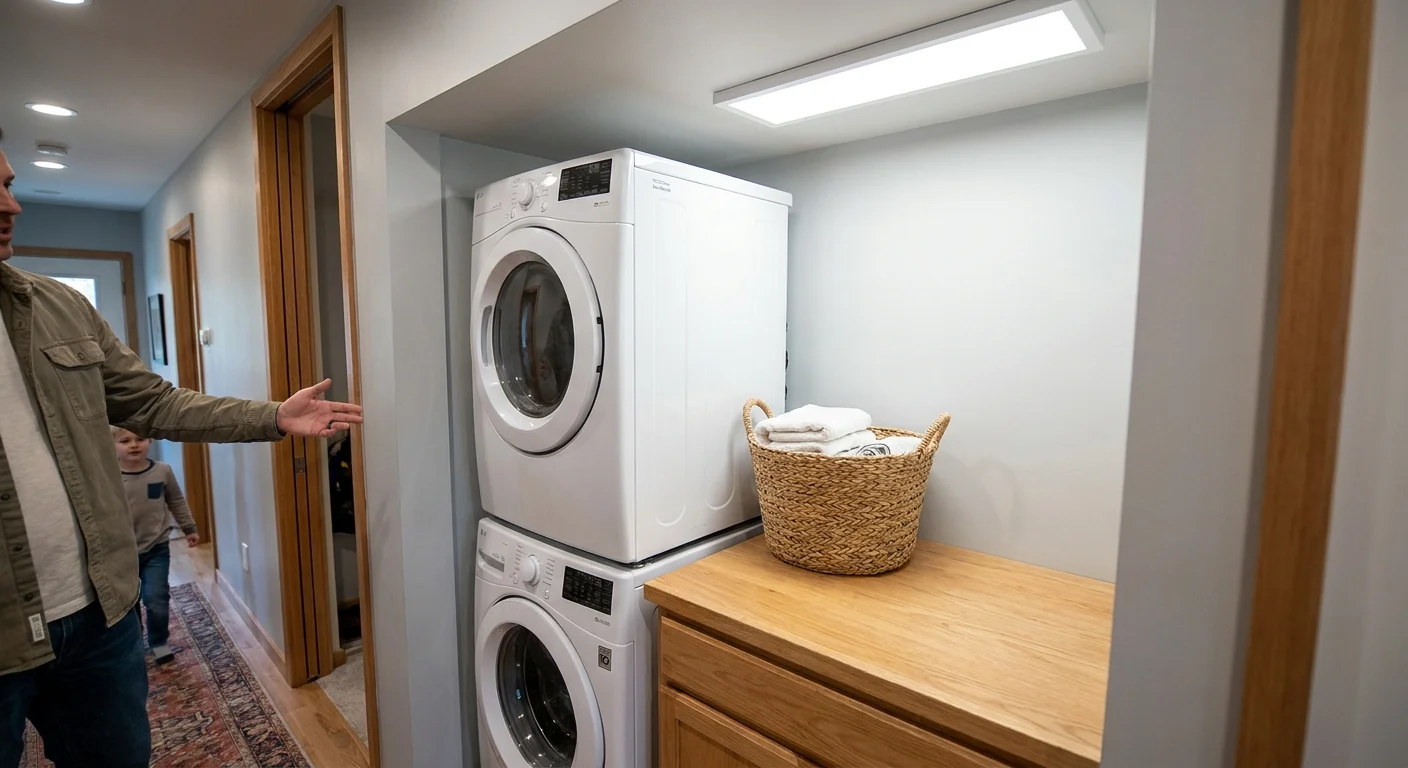
Carrying heavy baskets of wet clothes up and down a flight of stairs is a young person’s game.
Even if the laundry machines are technically located near the bedrooms, the physical toll of managing the loads often leads homeowners to neglect the space or dread chore day.
Relocate your laundry to the main floor—perhaps into a retrofitted closet or a section of the mudroom. Once the upstairs machines are removed, that plumbing-equipped room becomes a brilliant asset.
Cap the washer lines and install a deep utility sink to create an upstairs watering station for your houseplants, or convert the space into a tidy, climate-controlled storage closet for out-of-season linens.
07 The Sunken Living Room
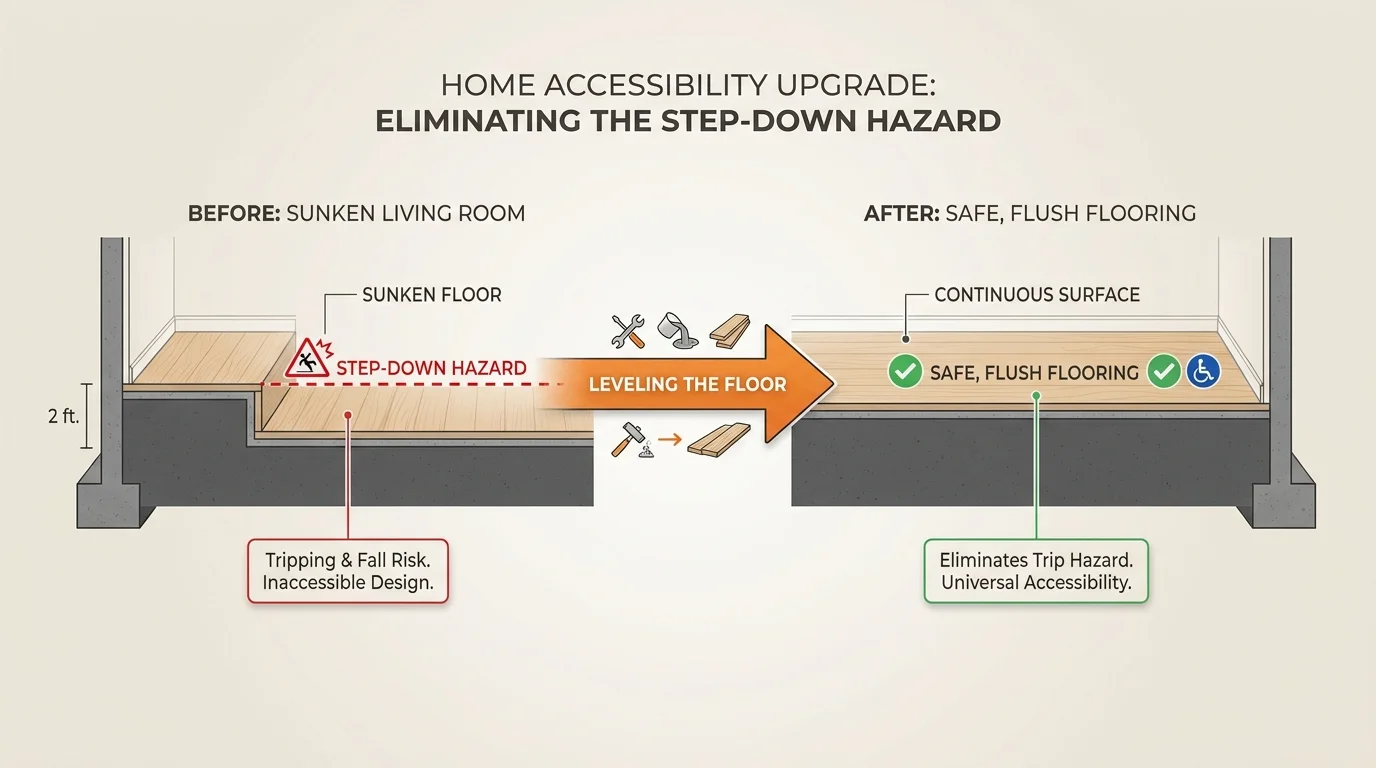
A darling of mid-century modern design, the sunken living room or conversation pit is an architectural feature that ages poorly. The unexpected step down becomes a severe trip hazard, particularly in low evening light.
Homeowners subconsciously avoid walking into or using the space to prevent falls.
Raising the floor to make it flush with the rest of the house is one of the smartest investments you can make for aging in place.
By eliminating the step, you restore the flow of your home and suddenly reclaim hundreds of square feet of usable, safe living area.
Once leveled, this continuous space is perfect for sprawling out with large-scale indoor trees—like a stately Olive tree or a resilient Parlor Palm—without worrying about navigating treacherous stairs to water them.
08 The Dedicated Home Theater
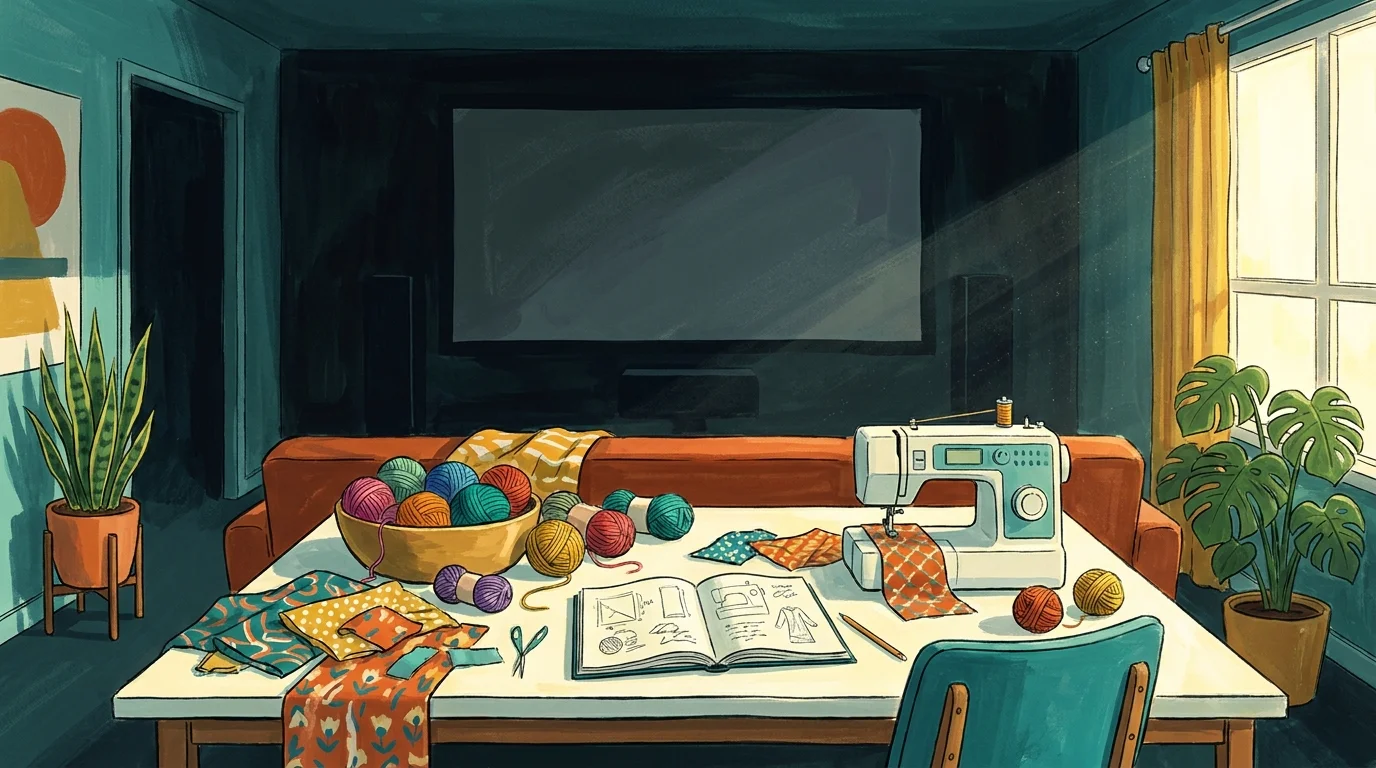
Ten years ago, a windowless room with rows of heavy leather recliners, a massive projector, and intricate surround sound was a major selling point. Today, standard living room televisions offer better resolution than old projectors, and dealing with six different remotes is frustrating.
The theater room inevitably goes dark.
Bring the light back in. If the room has windows hidden behind heavy blackout curtains, tear them down. A previously dark, isolated room can become a bright, focused hobby space.
Look to interior design hubs like Apartment Therapy for inspiration on making awkward, tech-heavy spaces feel organic and human again. Paint the dark walls a crisp, reflective white, add floating shelves, and create a tranquil sanctuary for reading or painting.
09 The Unfinished Attic or Deep Basement
Climbing a pull-down ladder to the attic or navigating steep, poorly lit basement stairs to retrieve holiday decorations quickly loses its charm. Eventually, whatever goes into the attic or deep basement stays there forever, and the spaces are completely abandoned.
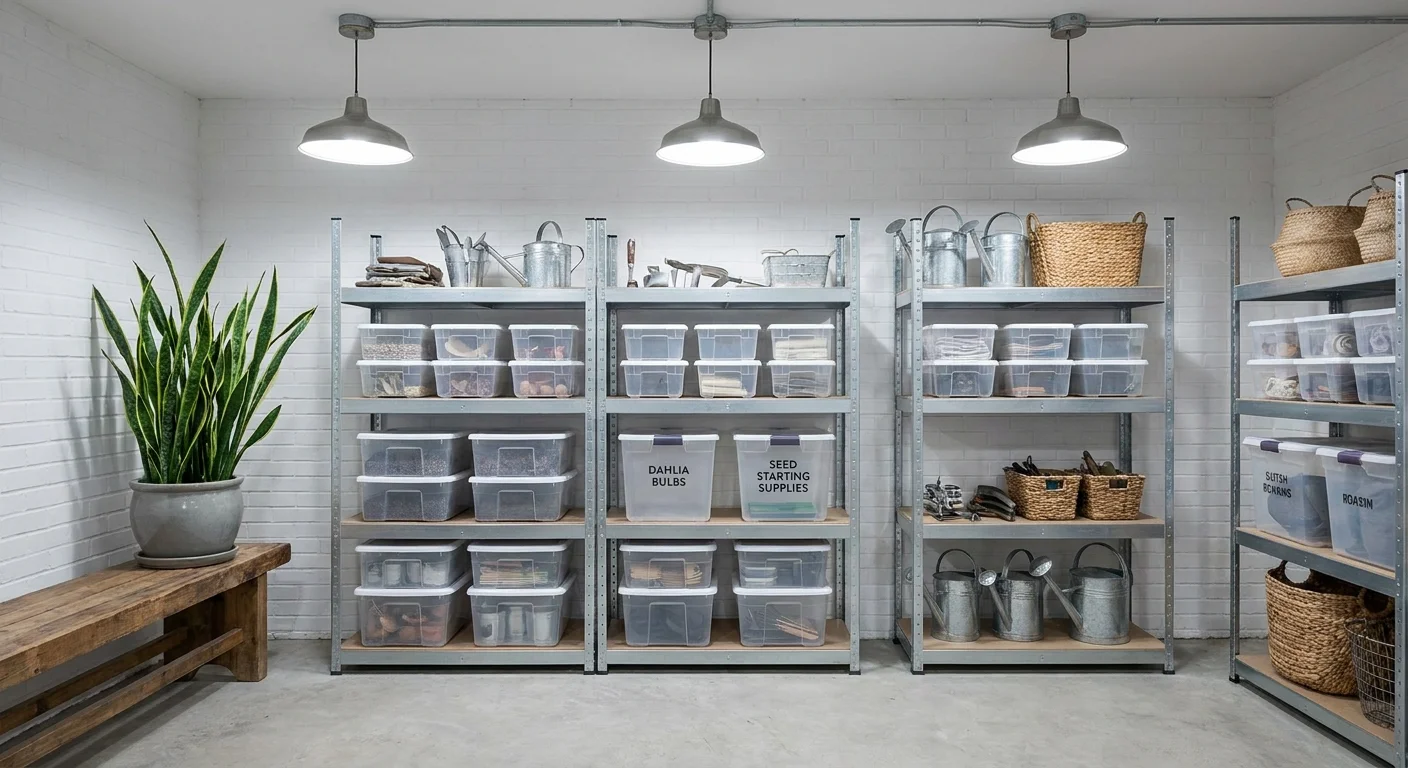
The solution here is aggressive decluttering and relocation. Stop using hazardous spaces for daily or seasonal storage.
Move your most treasured holiday decor and essential keepsakes to easily accessible main-floor closets or garage shelving. Let the attic simply be an attic—a space that insulates the home, not a graveyard for dusty boxes.
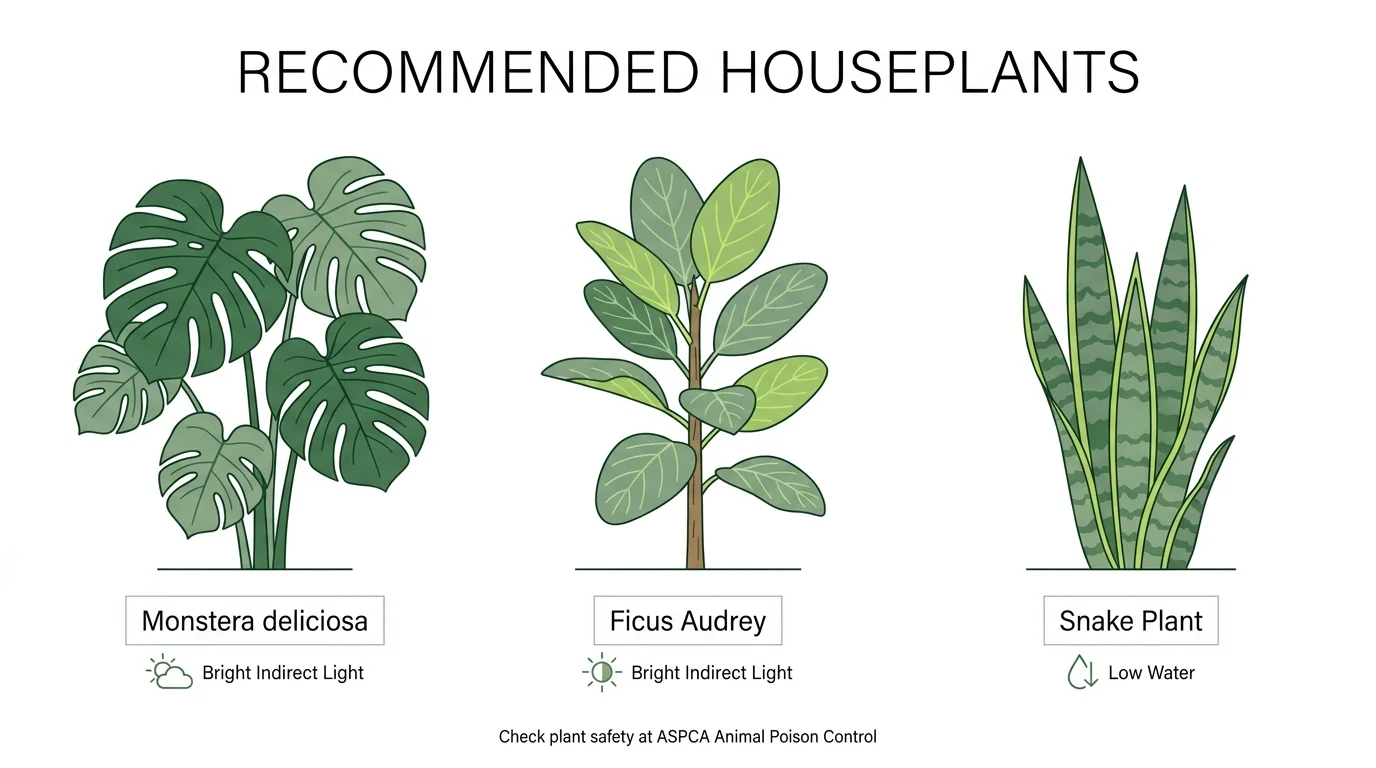
Low-Maintenance Plant Pairings for Repurposed Spaces
When you breathe new life into a neglected room, adding greenery instantly warms the space. However, since you are adapting to a more relaxed home lifestyle, you want plants that work for you—not the other way around.
Here is a quick guide to pairing resilient plants with your newly repurposed rooms.
| Plant Type | Ideal Repurposed Room | Light Requirements | Watering Frequency |
|---|---|---|---|
| ZZ Plant (Zamioculcas zamiifolia) | Formal Living Room / Parlor | Low to bright indirect | Every 3-4 weeks |
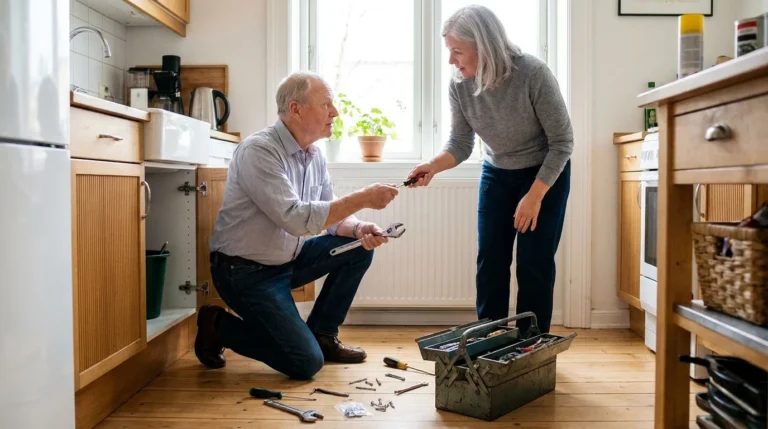
| Snake Plant (Dracaena trifasciata) | Converted Guest Bedroom | Any light condition | Every 3-4 weeks |
| Pothos (Epipremnum aureum) | Former Dining Room / Library | Moderate indirect | Every 1-2 weeks |
| Cast Iron Plant (Aspidistra elatior) | Leveled Sunken Living Room | Low to moderate | Every 2 weeks |
| Aloe Vera | Bright Craft Room / Hobby Space | Bright direct or indirect | Every 3 weeks |
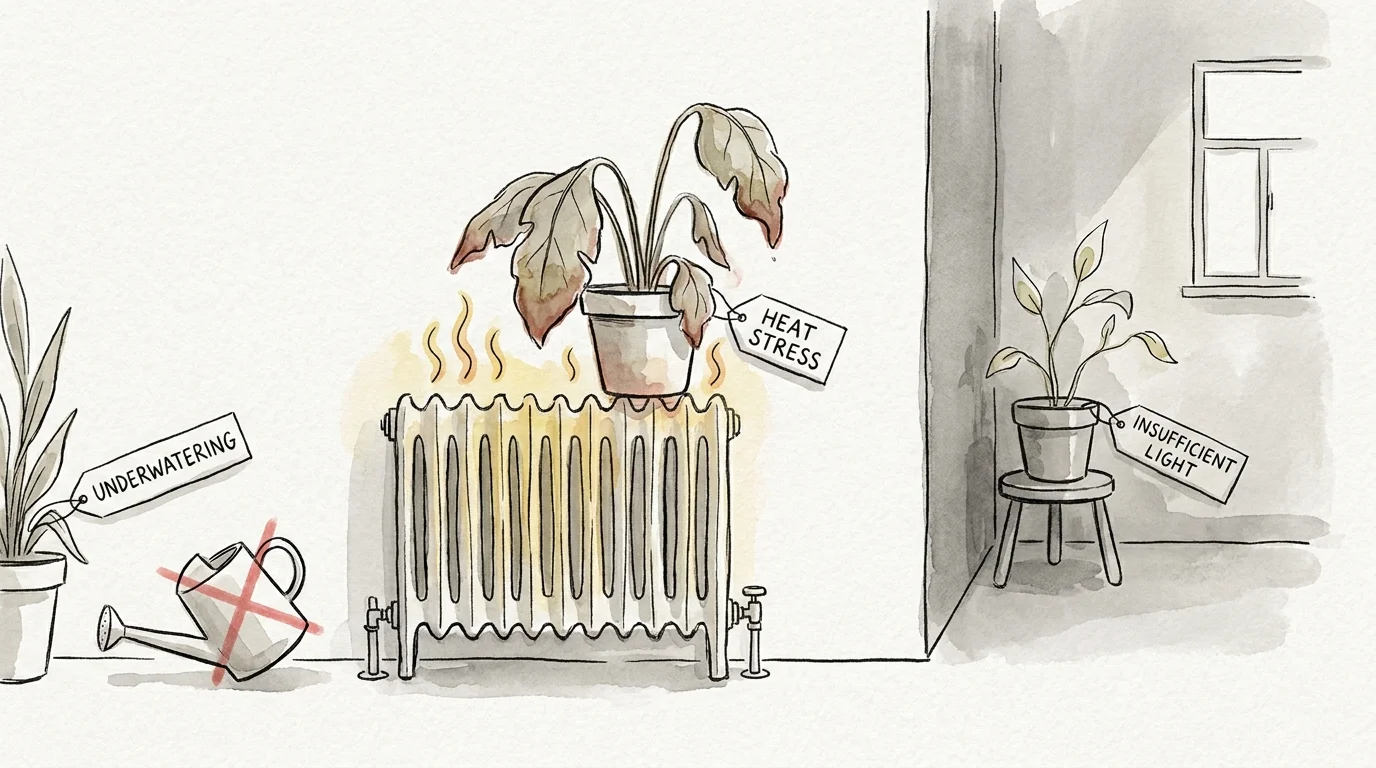
Care Killers: Common Design and Plant Mistakes
Repurposing a room brings incredible satisfaction, but it is easy to make a few critical errors that ruin the experience or harm your houseplants.
- Ignoring structural weight limits: If you turn an upstairs guest room into a sprawling indoor jungle, remember that wet soil and heavy ceramic pots weigh a massive amount. Dispersing the weight around the perimeter of the room (near load-bearing walls) is safer than clustering a thousand pounds of damp earth in the center of a second-story floor.
- Overwatering in cool, unused rooms: Even if you repurpose a room, it might still run cooler than your main living spaces. Plants in cooler rooms experience slower evaporation rates. If you water them on the same schedule as the plants in your warm, sunny kitchen, you will inevitably cause root rot. Always check the soil moisture with your finger before reaching for the watering can.
- Blocking accessible pathways: It is tempting to fill an empty formal dining room with sprawling pots and trailing vines. However, as you age at home, maintaining wide, clear pathways is crucial for safety. Keep trailing plants trimmed or elevated, and ensure you have at least 36 inches of clear walking space between furniture and large plant containers.
“To plant a garden is to believe in tomorrow.” — Audrey Hepburn
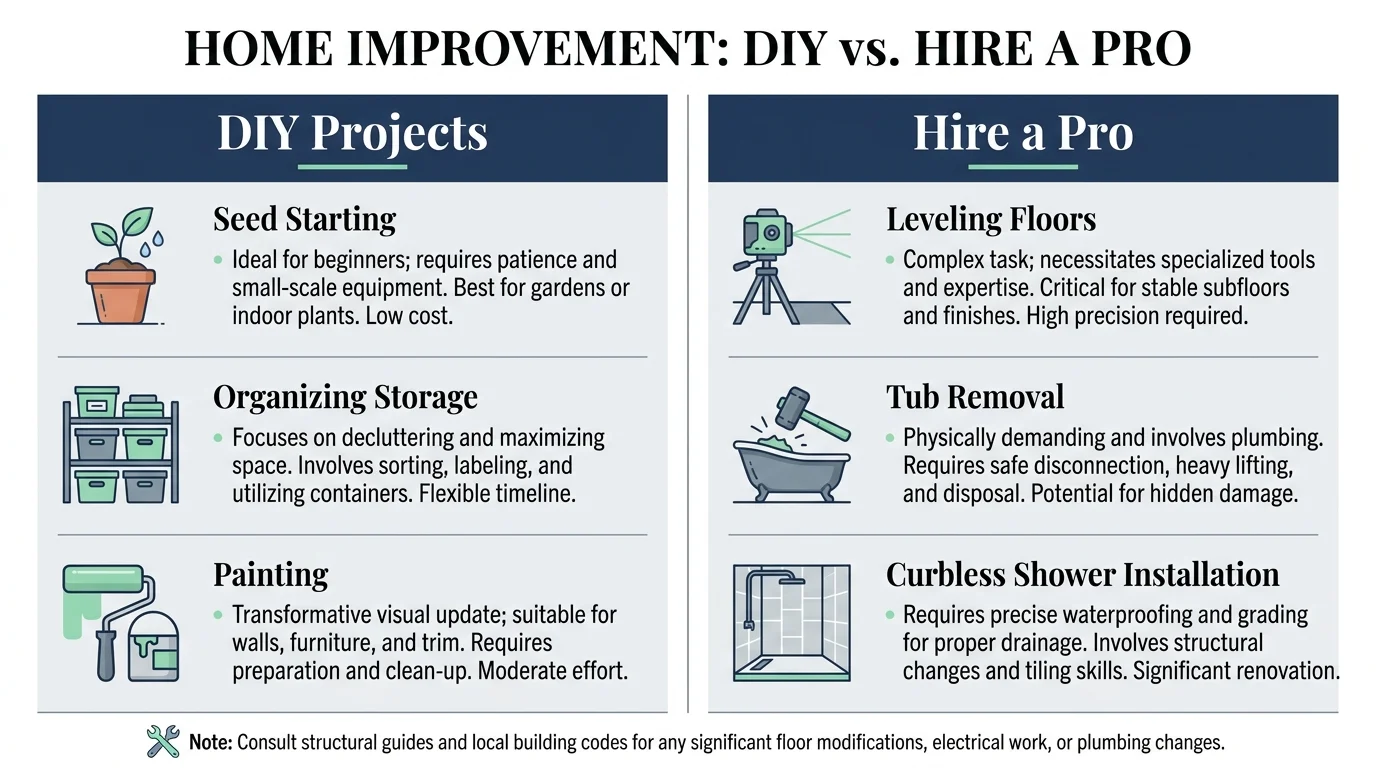
DIY vs. Hiring a Pro
Taking ownership of your home’s transition is empowering, but knowing when to hand off the tools is essential for your safety and your home’s structural integrity.
Projects you can absolutely DIY:
Painting dark theater rooms, decluttering attic storage, assembling raised garden beds, and setting up wire shelving for seed-starting stations are excellent weekend projects.
Designing your indoor plant layout and installing plug-in LED grow lights—following safety guidance from resources like The Sill—are totally within your control.
When to hire a licensed professional:
Do not attempt to level a sunken living room, remove a massive soaking tub, or relocate second-story laundry plumbing on your own. Altering floor joists, moving heavy water lines, and rewiring rooms for new overhead lighting require pulling permits and strict code compliance.
Hire a licensed contractor to ensure these structural transformations are safe, waterproof, and legally sound.
Frequently Asked Questions
How do I keep plants alive in a room I don’t visit every day?
Choose drought-tolerant species like Snake Plants, ZZ Plants, or Jade Plants that thrive on neglect. You can also invest in self-watering planters equipped with sub-irrigation reservoirs, which provide a steady supply of moisture to the roots for weeks at a time without your intervention.
What is the most cost-effective way to repurpose a formal dining room?
The cheapest method requires zero demolition. Sell or donate the heavy dining furniture.
Use the proceeds to buy comfortable lounge seating, a high-quality rug, and floor lamps. Instantly, the room shifts from a stiff, formal eating area to an inviting den or reading room.
Is it bad for resale value to remove a bathtub?
Historically, real estate agents warned against removing a home’s only bathtub. However, trends are shifting rapidly.
A beautifully designed, highly accessible zero-entry shower often appeals to a broader demographic—especially older buyers—far more than a hazardous, dated garden tub.
As long as there is at least one tub left in the home (perhaps in a guest bath), converting the master bath is a smart upgrade.
How do I transition my garden for aging in place?
Shift from in-ground planting to raised beds and large containers. Widen your garden pathways and ensure they are paved with level, non-slip materials rather than loose gravel or uneven stepping stones.
Install a drip irrigation system on an automatic timer so you never have to drag a heavy, kinked hose across the lawn again.
Your home should evolve directly alongside you, offering comfort, safety, and joy rather than endless chores. Look around your house today, identify the room you haven’t used in a month, and start planning its vibrant new purpose.
Results for DIY projects depend on your home, your tools and your experience level. When in doubt, consult a licensed professional.