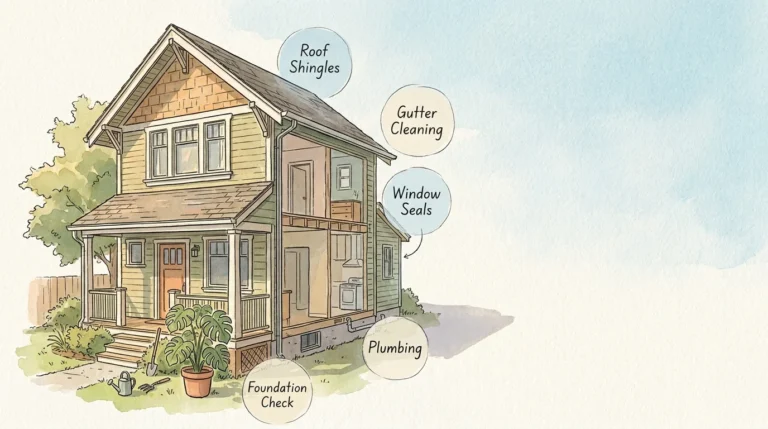
A lingering water stain or a sagging roofline does more than just look bad; it immediately signals deferred maintenance to prospective buyers.
When you decide it is time for selling your house, buyers hunt for reasons to lower their offer, and visible neglect provides the perfect ammunition. Maximizing your home value requires addressing the critical flaws that send house hunters running for the door.
Home repairs might feel overwhelming, but skipping the major fixes guarantees a difficult time on the real estate market. You do not need to gut renovate the entire property to secure a great offer.
Focusing on structural integrity, safety upgrades, and healthy curb appeal ensures buyers see a welcoming sanctuary rather than a money pit.
The Essentials: Quick Wins Before You Sell
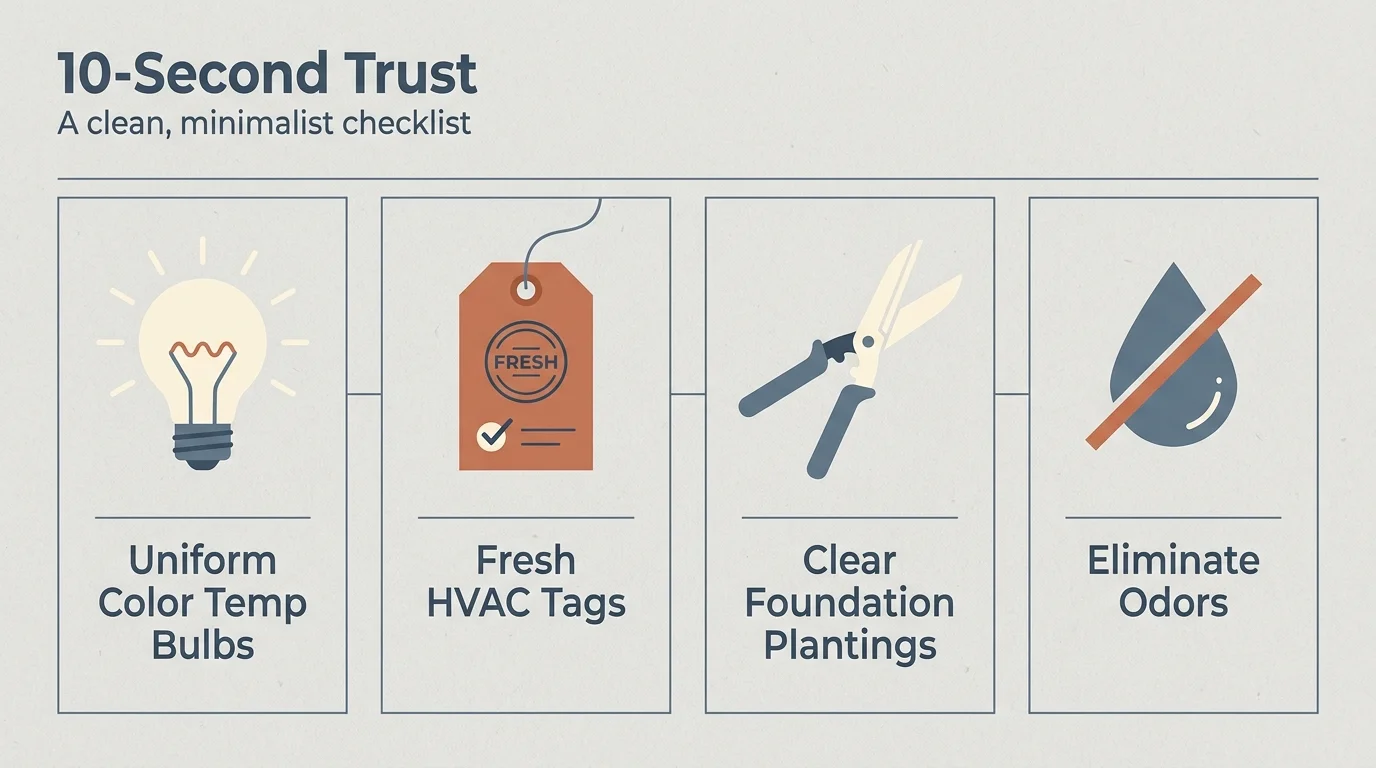
Before diving into the major structural issues, evaluate your property with a critical eye. Buyers process visual cues within the first ten seconds of crossing your threshold.
You can build immediate trust by addressing the visible layer of home maintenance first.
- Check all lighting: Replace burnt-out bulbs and ensure uniform color temperatures across rooms to make spaces feel bright and clean.
- Service mechanicals early: Obtain fresh maintenance tags on your furnace and air conditioning unit to prove ongoing care.
- Prune and tidy: Clear overgrown foundation plantings that block natural light or trap moisture against the siding.
- Eliminate odors: Neutralize pet and damp smells by deeply cleaning carpets and running dehumidifiers in basement areas.
01 Water Damage and Suspicious Ceiling Stains
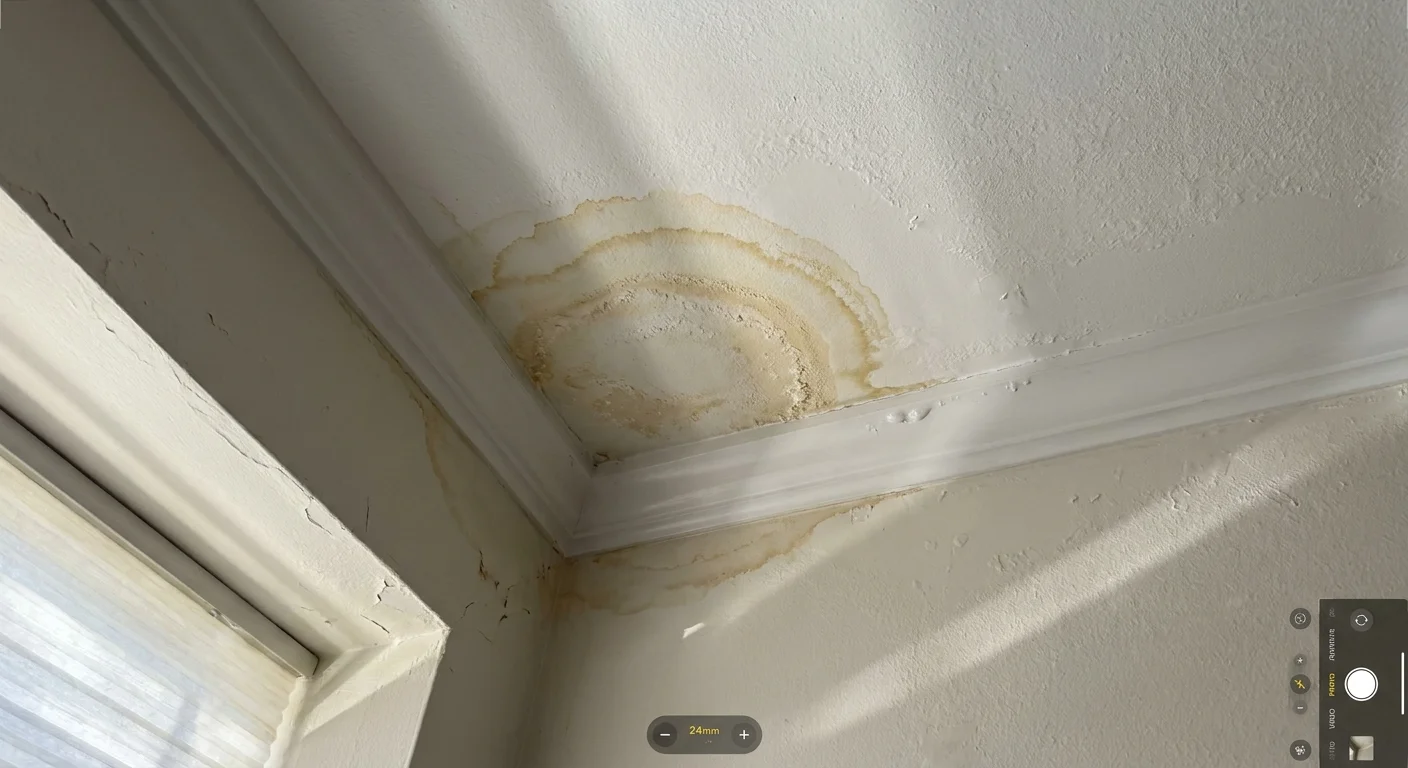
Nothing kills a real estate transaction faster than the threat of active water intrusion. When a buyer looks up and sees a brown, rings-shaped stain on the ceiling, they immediately picture toxic mold, rotting framework, and a collapsed roof.
Even if a leaky upstairs toilet caused the stain three years ago and you immediately fixed the plumbing, the visual evidence terrifies buyers.
You must eradicate the root cause of the moisture before performing any cosmetic fixes. Covering an active leak with fresh paint guarantees the stain will bleed through right as the inspector arrives.
Verify the leak is completely dry, apply a high-quality, stain-blocking primer, and paint the ceiling corner to corner. For comprehensive guidance on identifying and safely repairing moisture problems, the experts at Bob Vila provide excellent tutorials on diagnosing household water damage.
02 Sagging or Failing Roofs
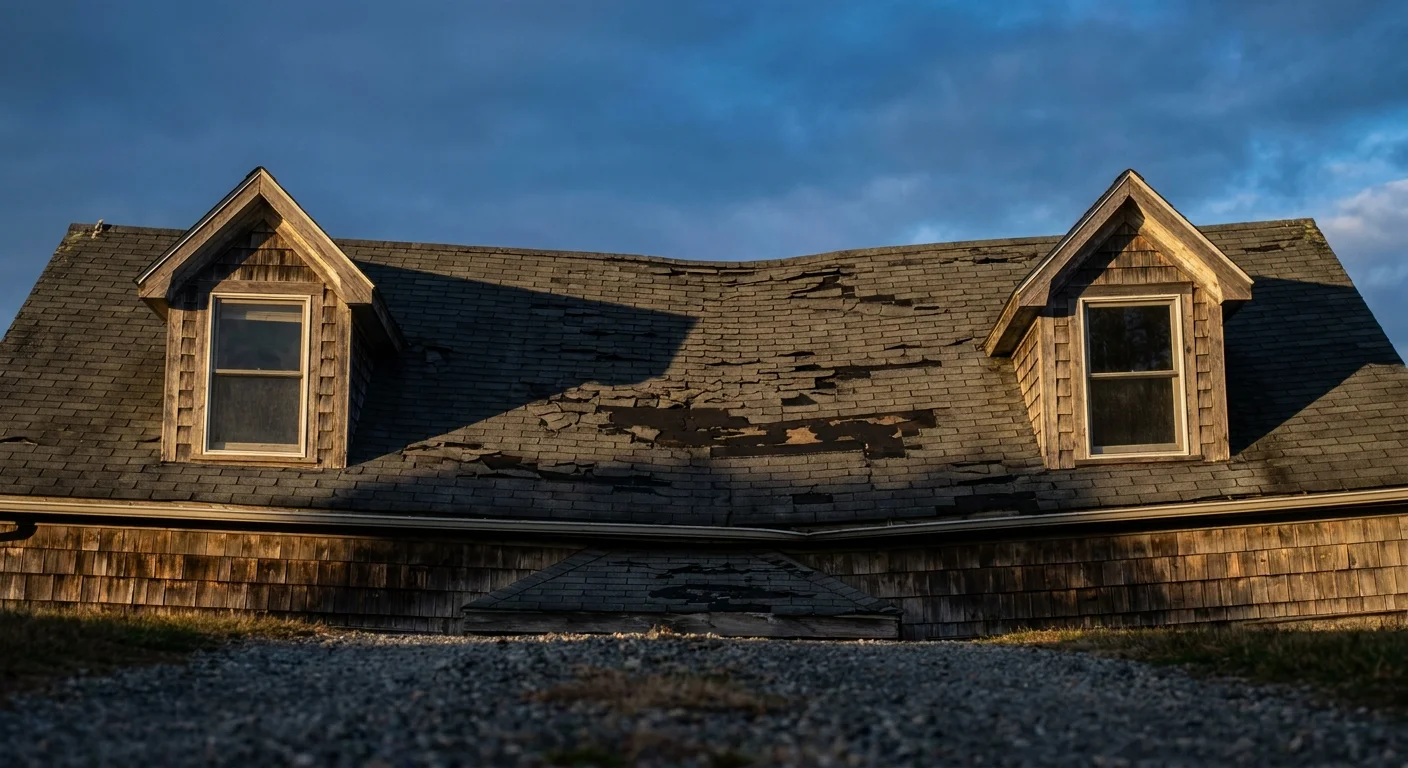
Your roof serves as the primary shield for the entire property. Buyers simply will not take a chance on a home requiring an immediate roof replacement unless they receive a massive discount.
Signs of a failing roof include curled or cupped shingles, large patches of missing mineral granules, dark streaking, and visible sagging along the ridgeline.
If your asphalt shingle roof is approaching its twenty-year lifespan, consider replacing it before listing. A new roof stands as a powerful marketing tool that increases home value and speeds up the sale.
If a full replacement exceeds your budget, hire a licensed roofer to replace missing shingles, seal flashing around chimneys and vent pipes, and clean out the gutters to ensure proper drainage.
03 Foundation Cracks and Structural Settling
A solid foundation represents peace of mind. Buyers understand that structural repairs cost tens of thousands of dollars, making foundation issues the ultimate dealbreaker.
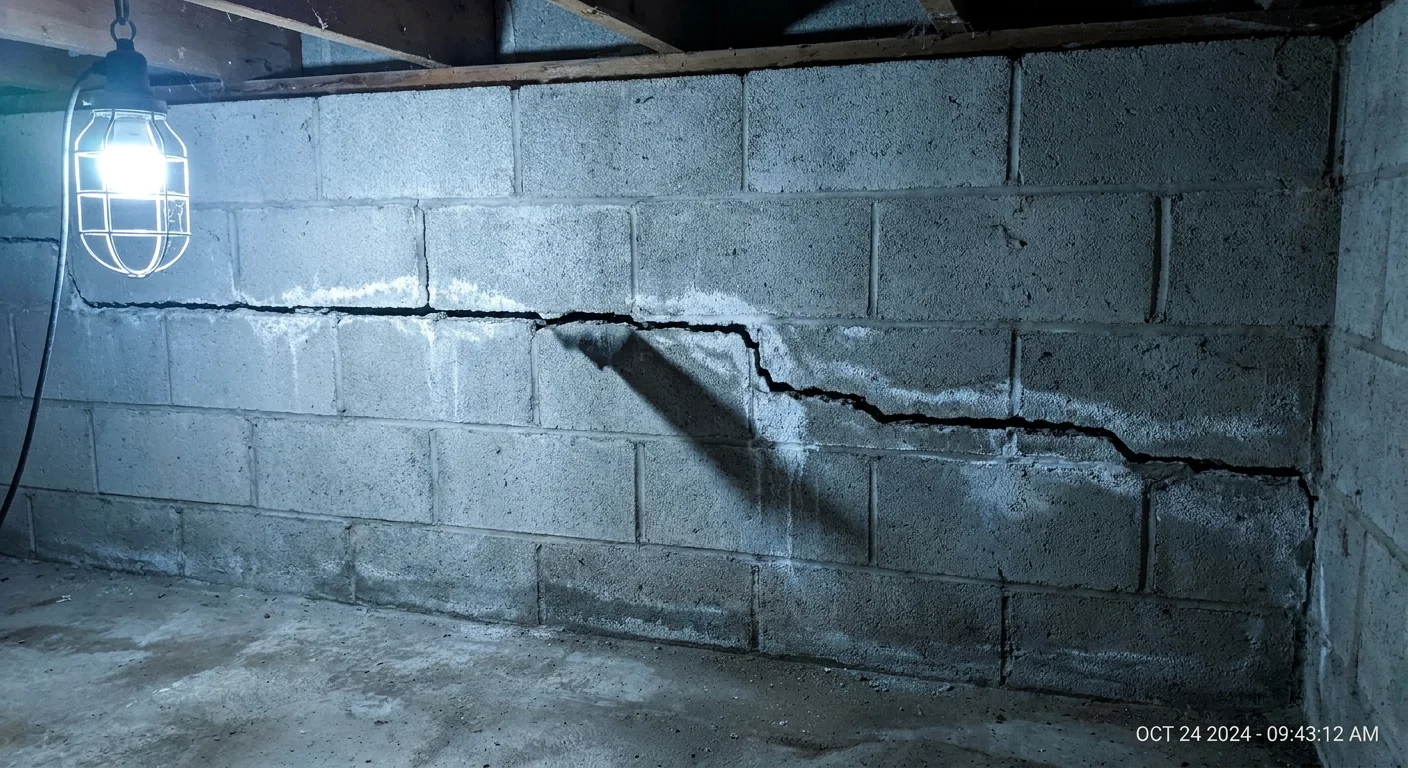
While houses naturally settle over time—often creating hairline cracks in drywall or concrete—buyers lack the expertise to differentiate between normal settling and catastrophic structural failure.
Pay close attention to horizontal cracks in basement walls, cracks wider than a quarter-inch, stair-step cracks in exterior brickwork, or doors that refuse to latch. If you spot these red flags, do not attempt to patch them with hydraulic cement and hope for the best.
Consult a structural engineer to assess the movement. Providing buyers with an engineer’s report and a transferable warranty from a reputable foundation repair company turns a glaring negative into a documented non-issue.
You can learn more about assessing structural integrity through resources from This Old House.
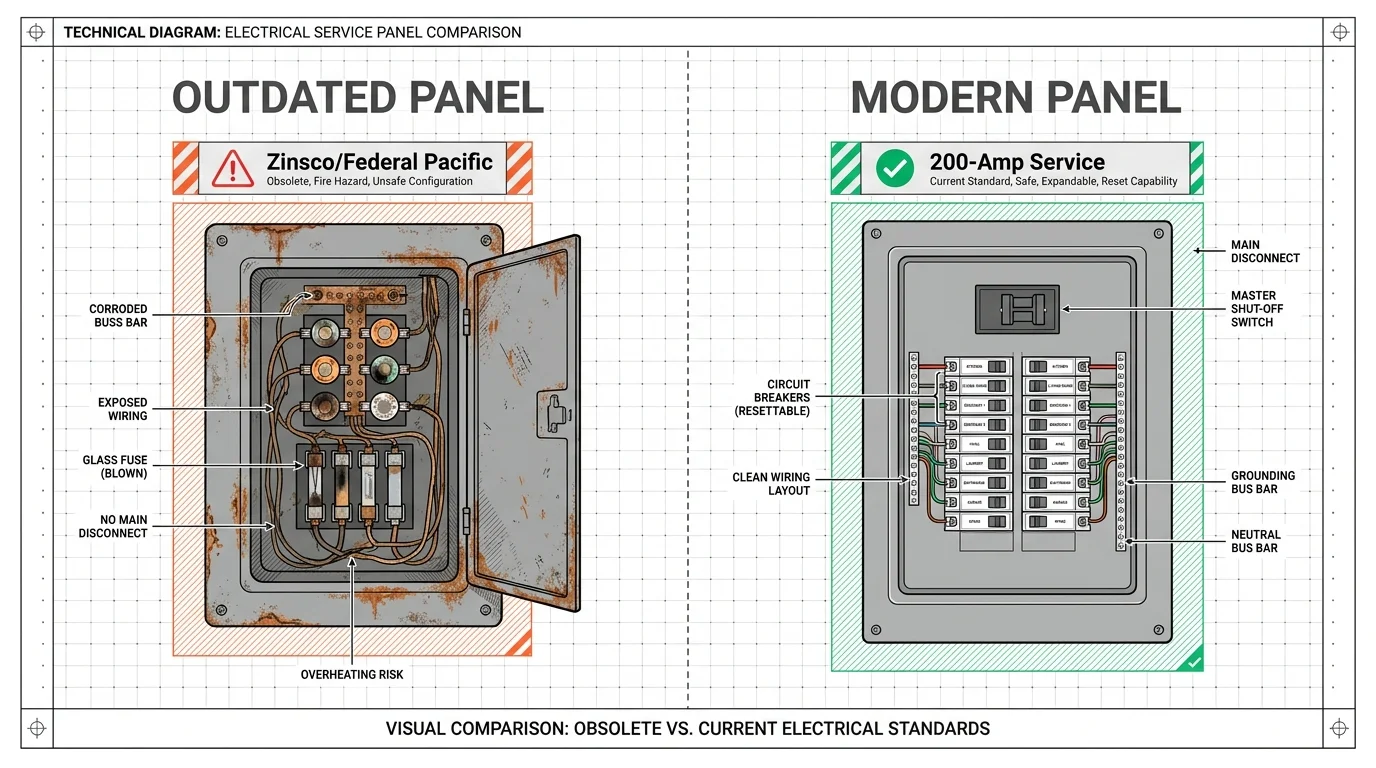
04 Outdated or Unsafe Electrical Panels
Today’s homeowners plug in more devices, smart appliances, and charging stations than ever before.
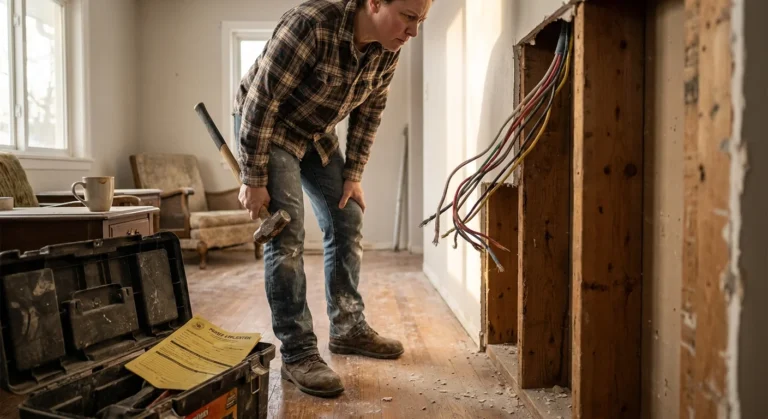
If your home still relies on a 100-amp electrical panel—or worse, an obsolete system featuring glass fuses, knob-and-tube wiring, or recalled panel brands—buyers will walk away due to the inherent fire hazards and modernization costs.
Home inspectors actively look for double-tapped breakers, ungrounded outlets, and missing GFCI protection near water sources. Upgrading to a 200-amp panel ensures the home can safely handle modern electrical loads.
Swapping out standard receptacles for GFCI outlets in kitchens, bathrooms, and outdoor areas costs very little but dramatically improves the safety profile of your house.
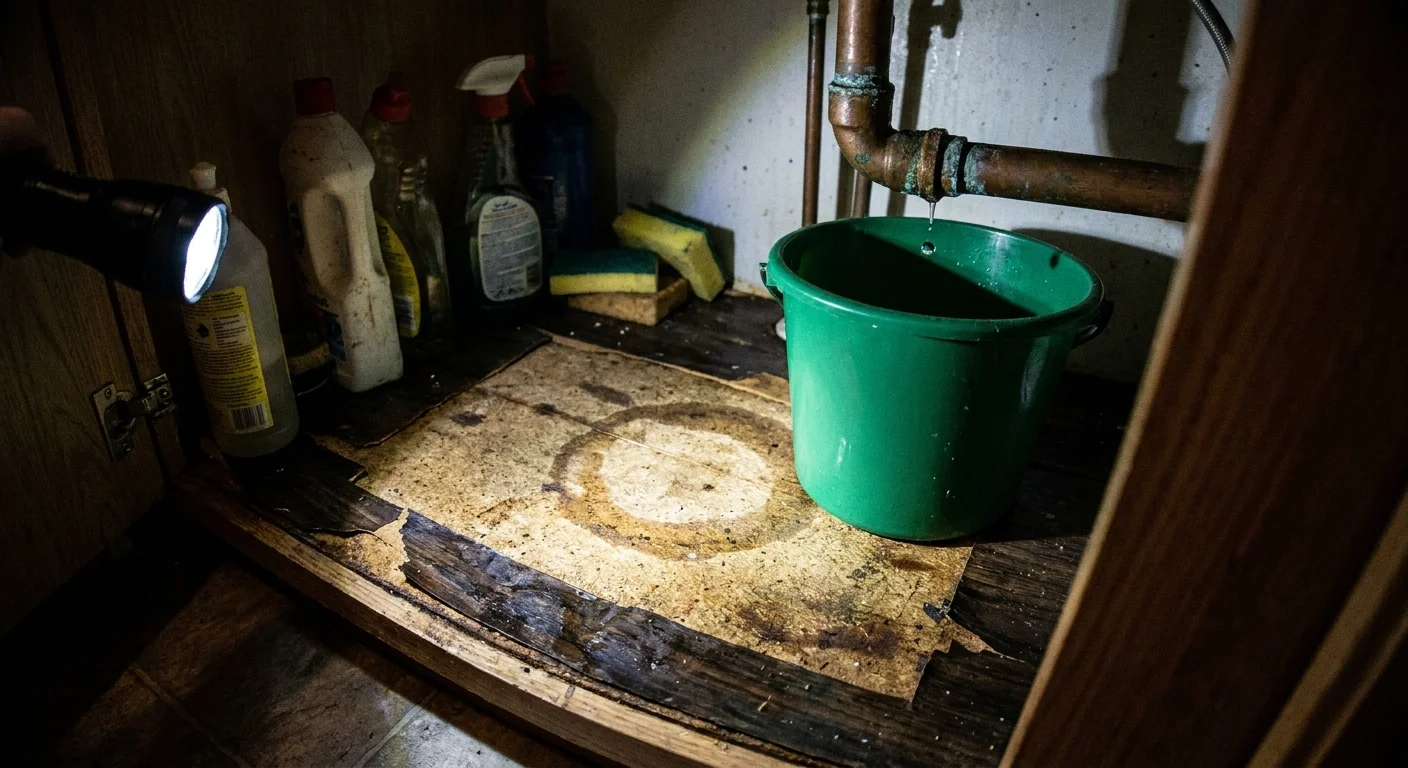
05 Plumbing Leaks and Low Water Pressure
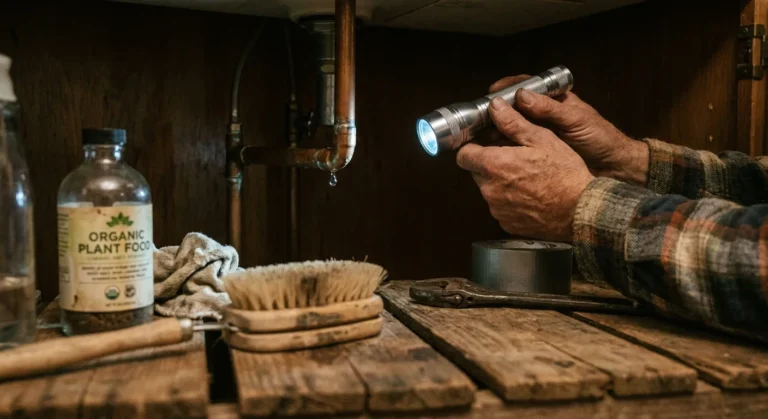
Plumbing issues terrify buyers because the pipes hide behind walls; if the visible plumbing leaks, buyers assume the hidden pipes are failing too. Drip-prone faucets, continually running toilets, and slow-draining sinks scream neglect.
Furthermore, if your home features outdated materials like galvanized steel or polybutylene piping, inspectors will strongly recommend immediate replacement.
Test the water pressure by turning on the shower and flushing the toilet simultaneously. A sudden drop in pressure indicates sediment buildup, failing valves, or municipal supply issues.
Address under-sink leaks immediately, replace corroded shut-off valves, and install new, modern fixtures. Fresh, properly functioning hardware gives bathrooms and kitchens an instant, inexpensive facelift while reassuring buyers of the home’s operational health.
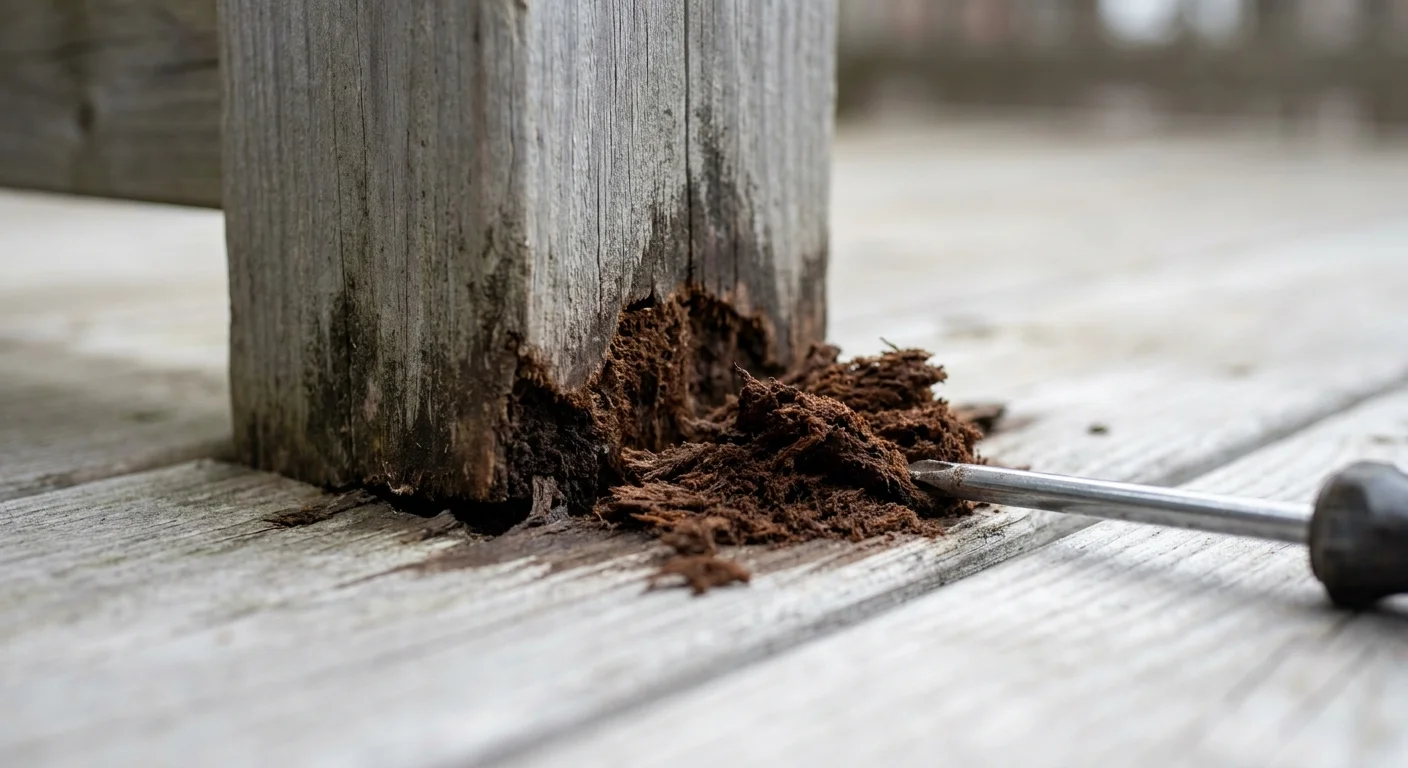
06 Rotting Wood Decks and Exterior Trim
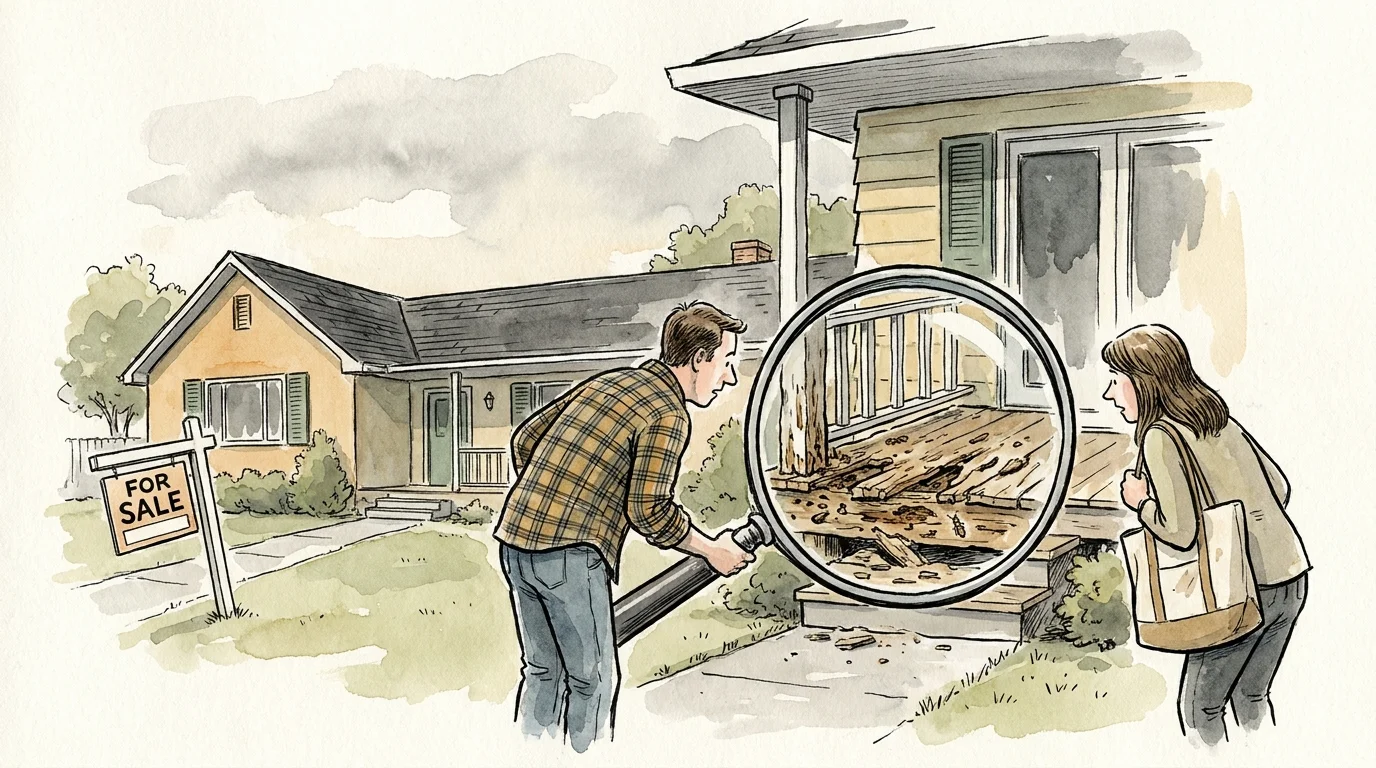
Wood rot spreads like an infection, compromising the structural integrity of your exterior features. Soft, spongy fascia boards, decaying window sills, and splintering deck joists look terrible and invite pest infestations.
Termites and carpenter ants actively seek out moist, rotting wood to establish their colonies.
Walk the perimeter of your home and press a screwdriver against any suspicious wood trim. If the wood gives way, you must remove and replace the affected boards.
When rebuilding or repairing decks and exterior trim, consider upgrading to rot-resistant materials. The table below outlines how different materials perform in exterior applications.
| Material Type | Average Lifespan | Maintenance Level | Best Application |
|---|---|---|---|
| Traditional Treated Pine | 10-15 Years | High (Requires annual sealing) | Budget-friendly deck framing and railing |
| Cedar or Redwood | 15-20 Years | Moderate (Needs periodic staining) | Premium decking and visible architectural trim |
| Composite or PVC | 25+ Years | Low (Requires seasonal washing) | High-traffic deck boards and moisture-prone areas |
| Fiber Cement Trim | 30+ Years | Low (Holds paint exceptionally well) | Fascia, soffits, and exterior window casings |
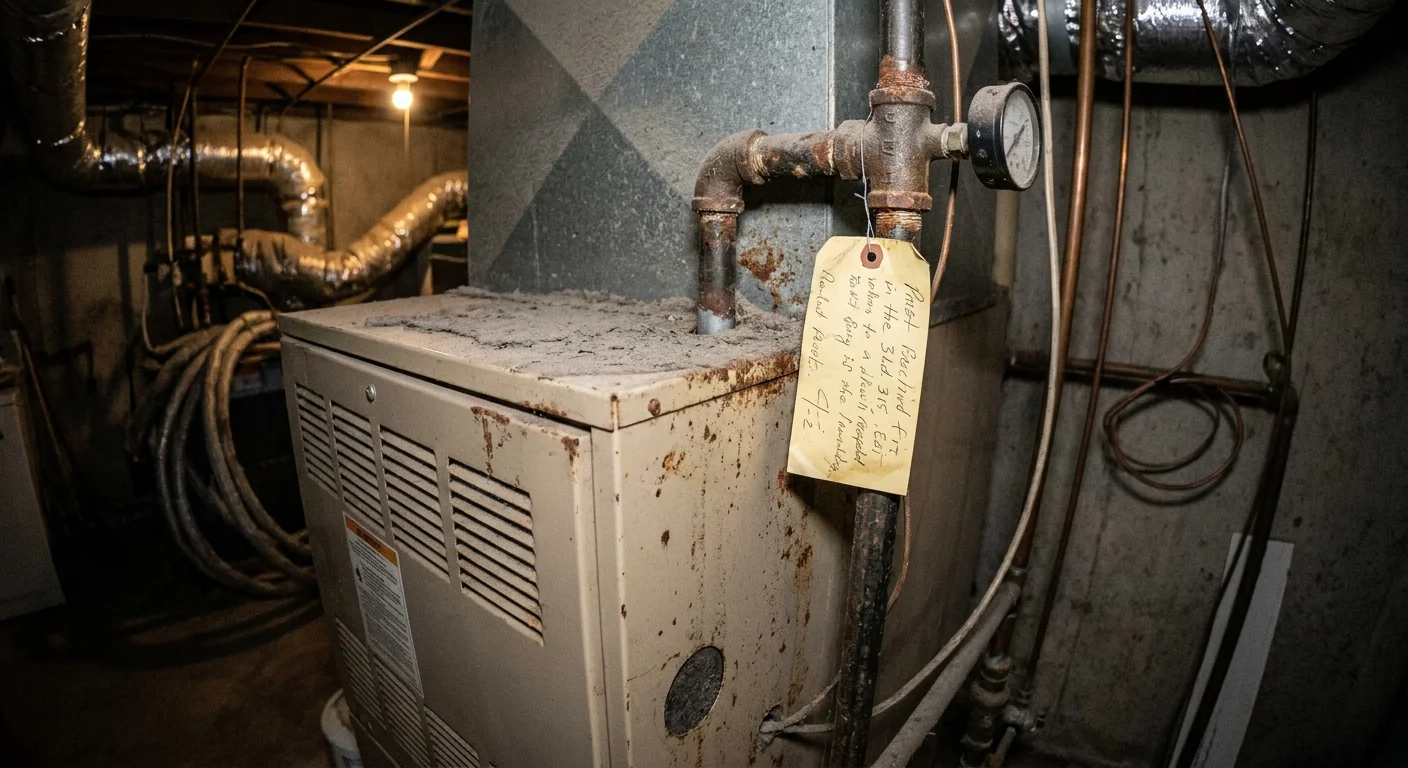
07 HVAC Systems on Life Support
A clanking, inefficient, or ancient heating and cooling system creates massive buyer hesitation. Buyers know that replacing a furnace and central air conditioning unit requires a significant cash outlay immediately after closing.
If your HVAC system relies on phased-out R-22 refrigerant, buyers will likely demand a replacement allowance.
Even if your system operates smoothly, an accumulation of dust and pet hair on the intake registers looks bad. Change every filter in the house, schedule a professional tune-up, and leave the service invoice on the kitchen counter during showings.
If you must replace the system, check with ENERGY STAR to select high-efficiency models that appeal to eco-conscious and budget-minded buyers.
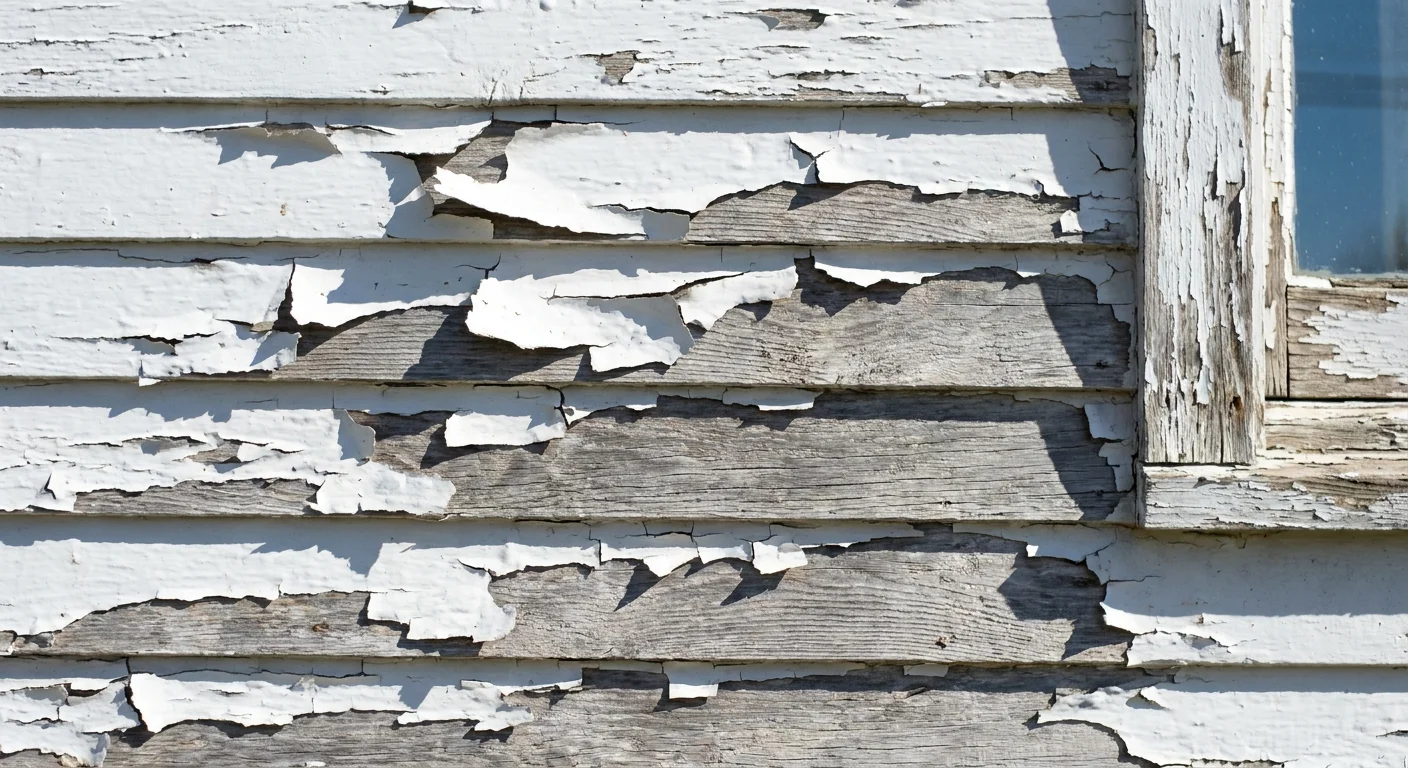
08 Peeling Exterior Paint and Siding Issues
Your home’s exterior envelope protects the structural framing from the elements. Peeling, blistering, or severely faded paint looks unsightly and suggests water is infiltrating the siding.
Buyers using FHA or VA loans will face mandatory repair requirements if the appraiser spots chipping paint, which can delay or completely derail your closing.
Power wash the siding to remove dirt, mold, and mildew. Scrape away any loose paint, apply a high-quality exterior primer, and touch up the affected areas.
If the entire house looks chalky and tired, investing in a complete exterior paint job yields one of the highest returns on investment in the real estate market.
Crisp, modern exterior colors drastically improve curb appeal and set a positive tone before the buyer even steps out of their car.
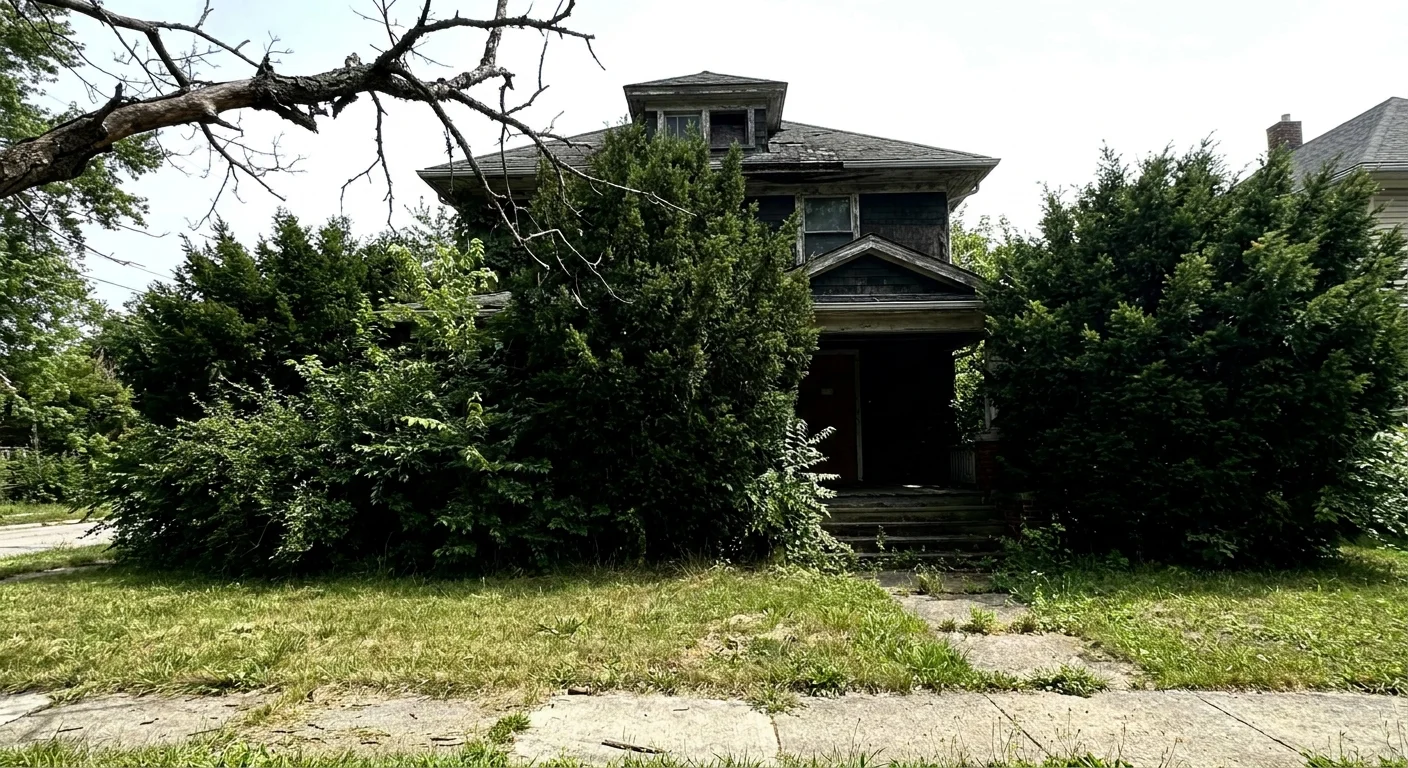
09 Neglected Landscaping and Dead Trees
As plant and garden enthusiasts know, your landscape serves as the living frame for your home. Dead trees, massive deadwood hanging over the roofline, and severely overgrown shrubs create expensive liabilities.
A large, dying oak tree looming over the master bedroom terrifies buyers—they only see a massive removal bill or a future roof collapse.
“A garden is a grand teacher. It teaches patience and careful watchfulness; it teaches industry and thrift.” — Gertrude Jekyll
Applying industry and thrift to your landscaping yields immediate results. Remove any dead or dying trees entirely.
Prune shrubs so they sit at least a foot away from the exterior siding; this allows the house to breathe and removes a common bridge for pests entering the home.
Keep the lawn neatly edged, refresh garden beds with an inch of dark mulch, and introduce seasonal, non-toxic flowering plants near the entryway to create a welcoming atmosphere.
If you need to replace foundation shrubs with species better suited to your climate, the Missouri Botanical Garden Plant Finder offers an outstanding database for selecting robust, low-maintenance varieties.
Where Most People Go Wrong
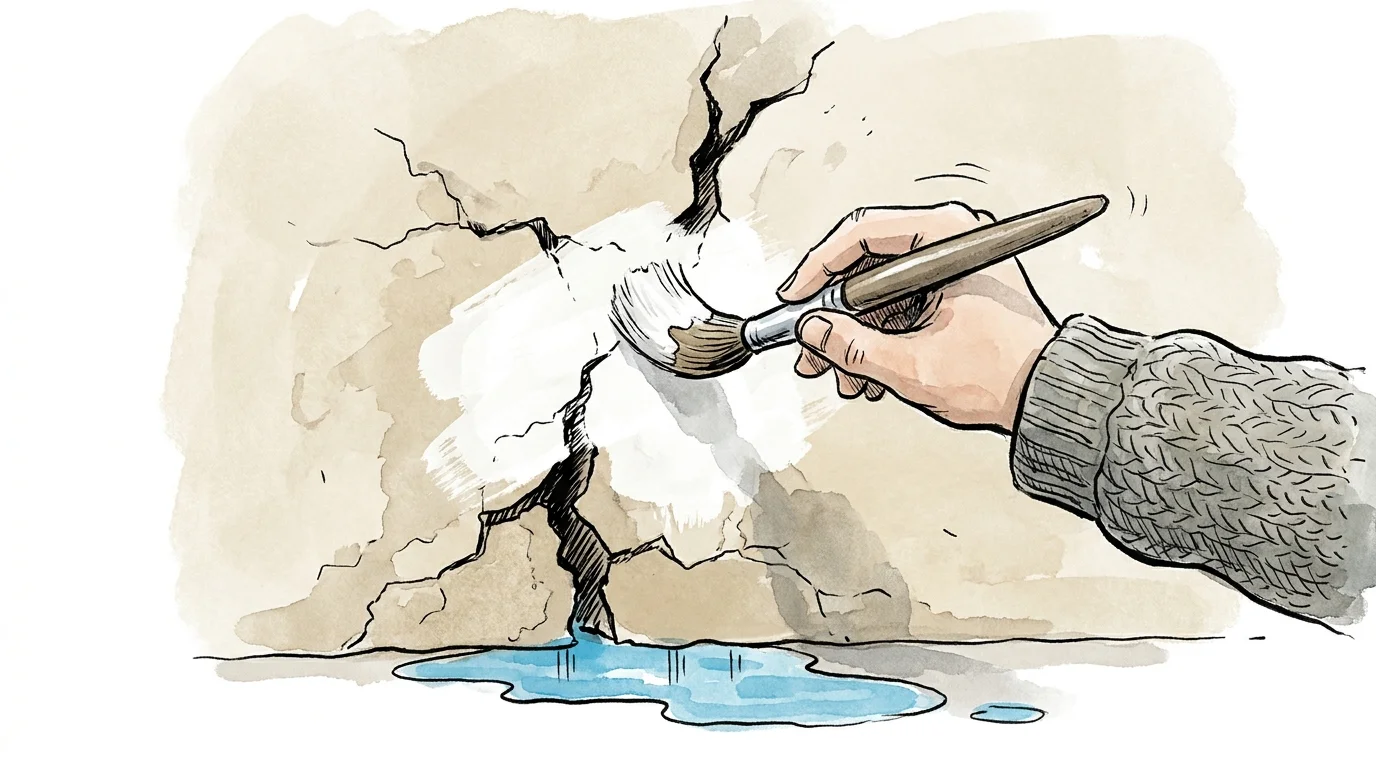
The most common mistake homeowners make when preparing to sell is masking problems rather than curing them.
Painting over a water stain without fixing the roof, laying new rugs over deeply stained hardwood, or using spray foam to fill a structural foundation crack all backfire spectacularly.
Home inspectors possess the tools and training to see right through superficial cover-ups. When an inspector catches a seller hiding a defect, the buyer immediately loses trust.
They will assume the entire house is held together with duct tape and cheap paint, prompting them to walk away or demand massive price reductions. Transparency and proper repair work always cost less in the long run than a blown real estate transaction.
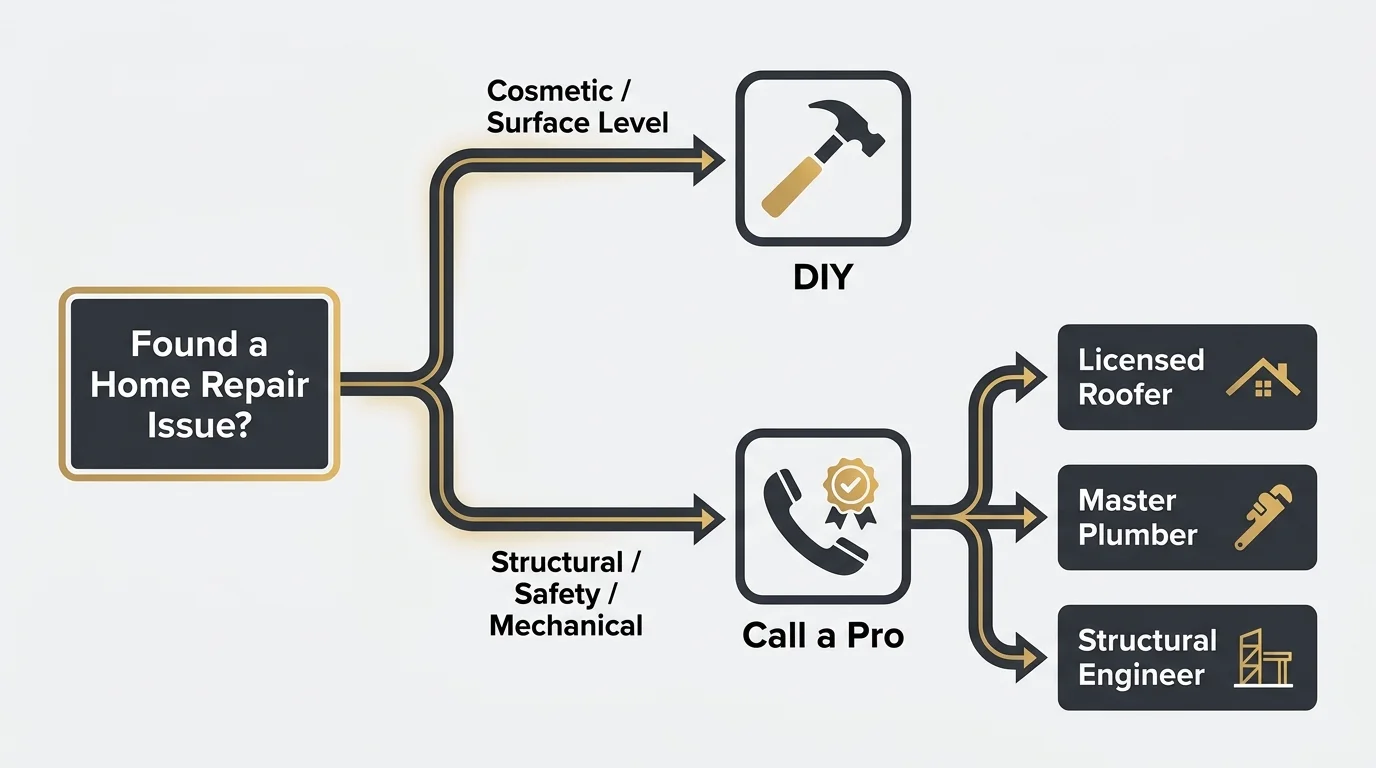
When to Call a Professional
While painting, landscaping, and swapping out light fixtures fall firmly in the DIY category, certain repairs demand licensed expertise to satisfy buyers and local code enforcement:
- Structural alterations: Any foundation repair, joist replacement, or load-bearing wall modification requires an engineer and a licensed contractor.
- Electrical upgrades: Replacing breaker panels, rewiring circuits, or upgrading the main service drop poses lethal risks and requires a master electrician.
- Major plumbing: Rerouting supply lines, replacing main sewer drains, or dealing with buried oil tanks requires specialized equipment and permits.
- Roof replacements: Working at heights involves severe safety risks; always hire insured professionals to handle full roof tear-offs and installations.
Frequently Asked Questions
Should I fix everything before selling my house?
You do not need to fix every minor cosmetic flaw, but you must address any issues impacting safety, structural integrity, or the primary function of the home.
Focus your budget on the roof, HVAC, plumbing, electrical systems, and obvious water damage to secure the best offers.
Do buyers prefer an allowance or completed repairs?
Most modern buyers prefer a move-in-ready home and lack the cash reserves to handle major repairs immediately after closing. Completing the work yourself, using neutral finishes, usually results in a higher final sale price than offering a repair credit.
How do I know if a crack is structural or just settling?
Hairline vertical cracks in drywall or concrete typically indicate normal settling. However, horizontal cracks, cracks wider than a pencil, or cracks accompanied by bowing walls suggest severe structural failure and require an immediate professional assessment.
Preparing a home for the market requires stepping back and viewing your property through a stranger’s eyes. Walk your home today, notepad in hand, and ruthlessly document the flaws you have grown accustomed to ignoring.
Tackling these nine critical home repairs guarantees a smoother inspection process, protects your home value, and hands the next owner a safe, beautiful place to put down roots. Results for DIY projects depend on your home, your tools and your experience level.
When in doubt, consult a licensed professional.