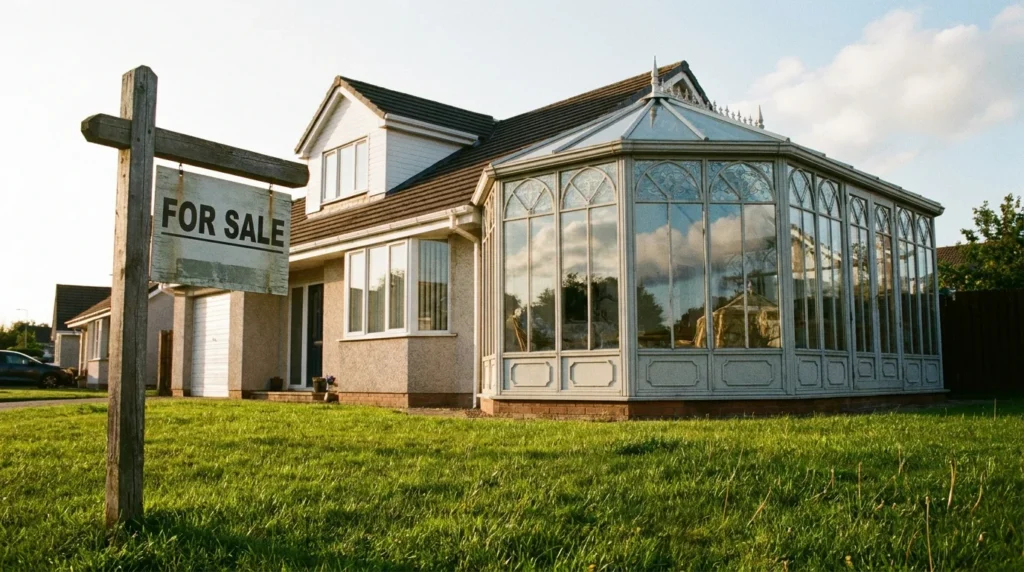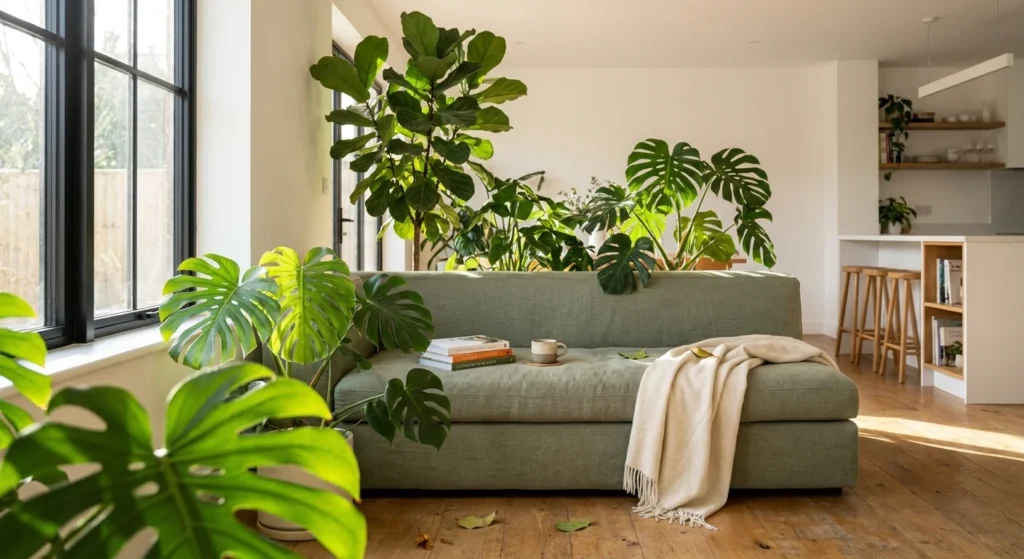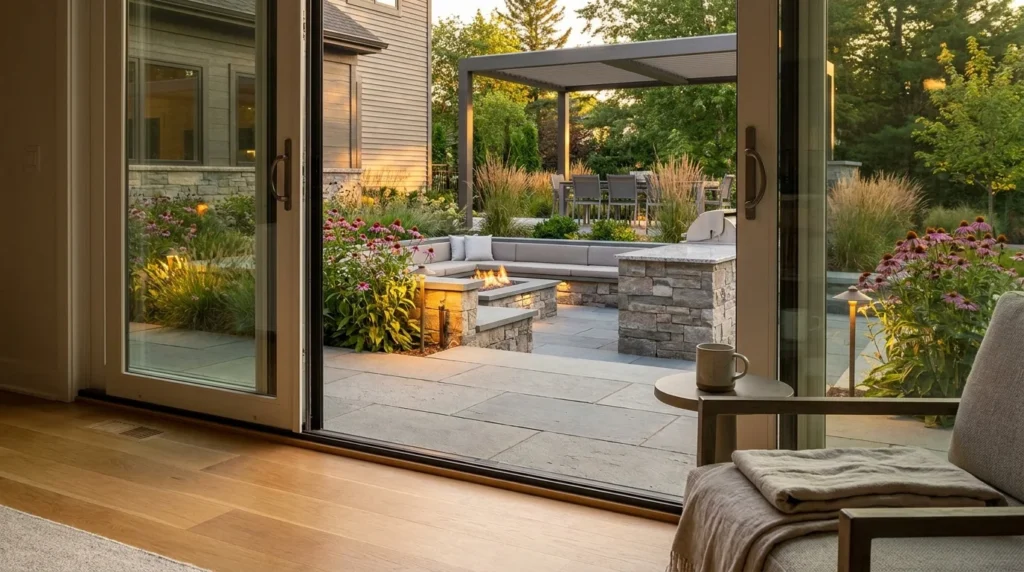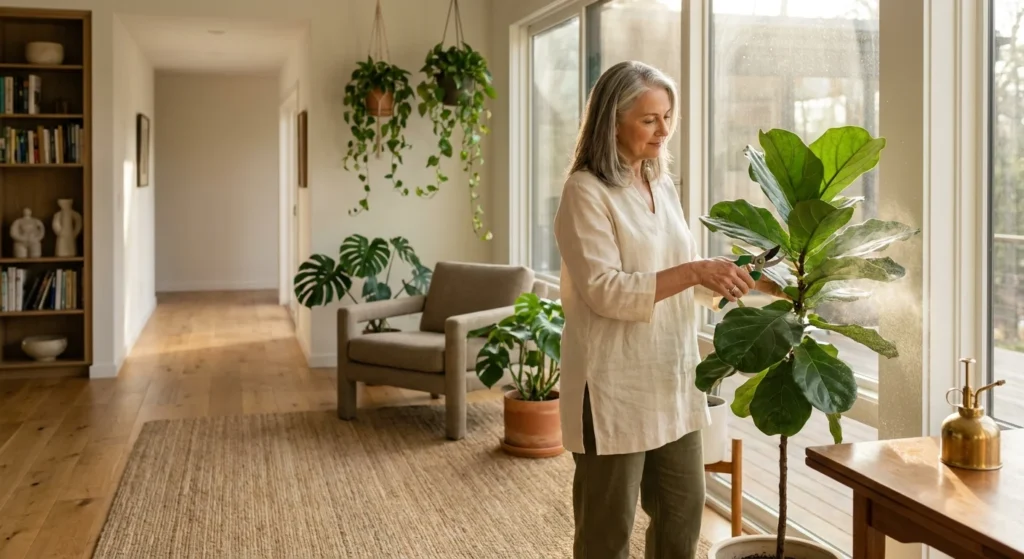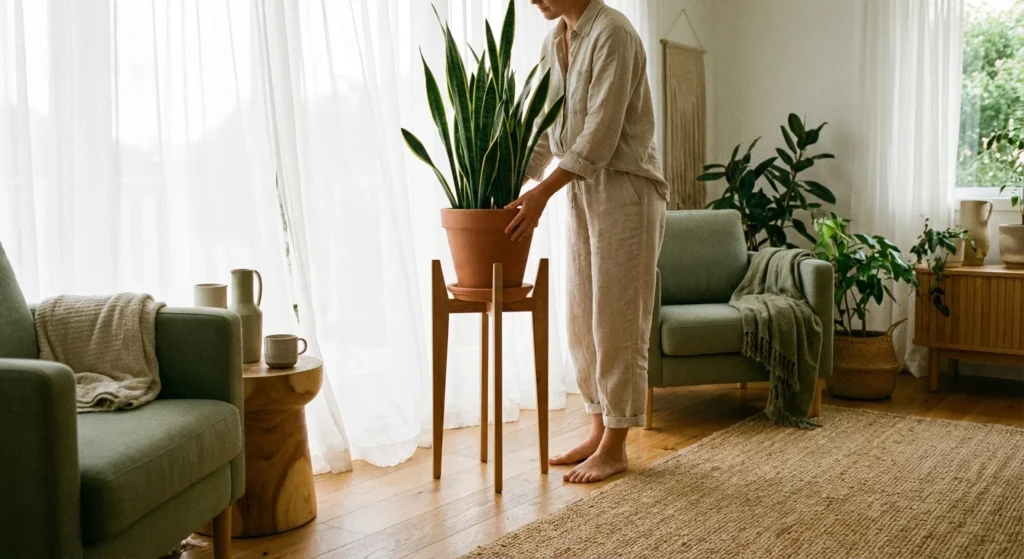
Evaluating retirement housing means securing a space that will support your comfort, safety, and favorite hobbies for decades to come. Buyers over 60 are actively redefining the real estate market by seeking homes that blend smart aging in place modifications with low-maintenance outdoor spaces perfect for gardening. Whether you are building a custom property or touring senior homes, the focus has shifted from mere square footage to thoughtful design elements like single-level layouts, slip-resistant flooring, and abundant natural light for houseplants. Identifying these essential features early in your home buying journey saves you time and ensures your next move brings lasting joy.
1. Single-Story Living and Open Floor Plans
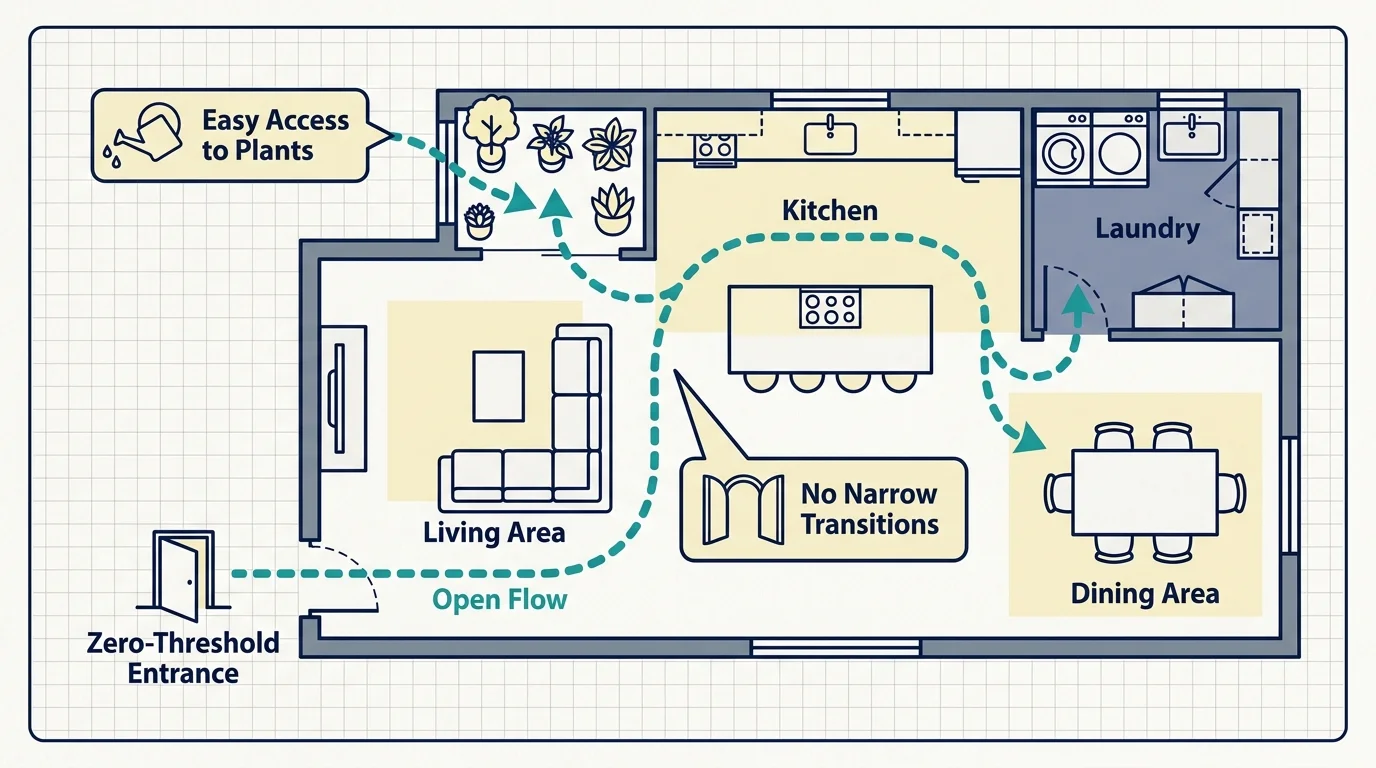
Navigating stairs becomes a significant physical burden over time, making single-story living the cornerstone of any forever home. When evaluating real estate, prioritize detached single-family homes, patio homes, or ground-floor condominiums that eliminate the need to haul laundry, groceries, or watering cans up and down flights of stairs.
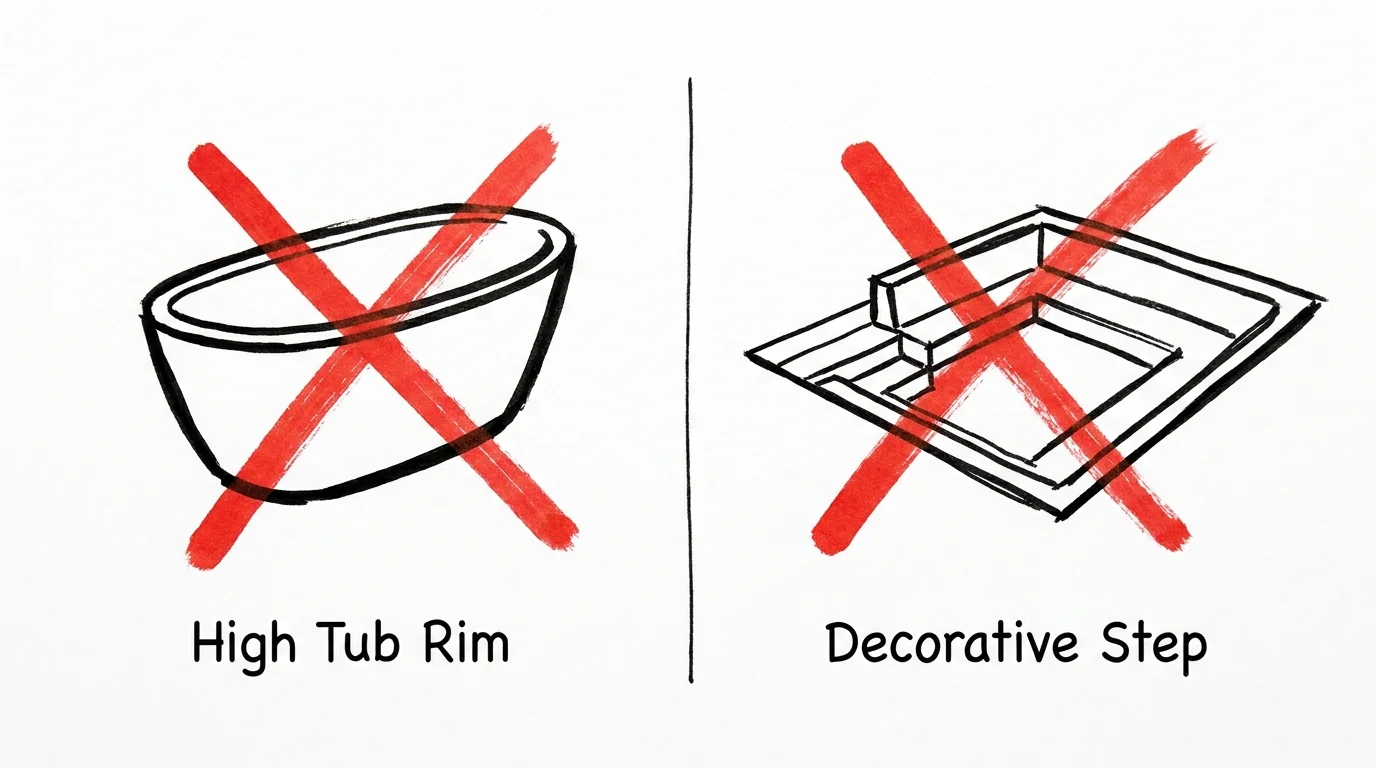
An open floor plan enhances a single-story layout by removing awkward thresholds and narrow transitions between the kitchen, living, and dining areas. This seamless flow accommodates mobility aids if they become necessary and drastically improves your home’s air circulation. Better airflow creates a healthier environment for you and helps maintain stable humidity and temperature levels for your indoor plant collection. Look for layouts that avoid sunken living rooms or raised dining platforms—even a single decorative step can become a tripping hazard later.
2. Abundant Natural Light
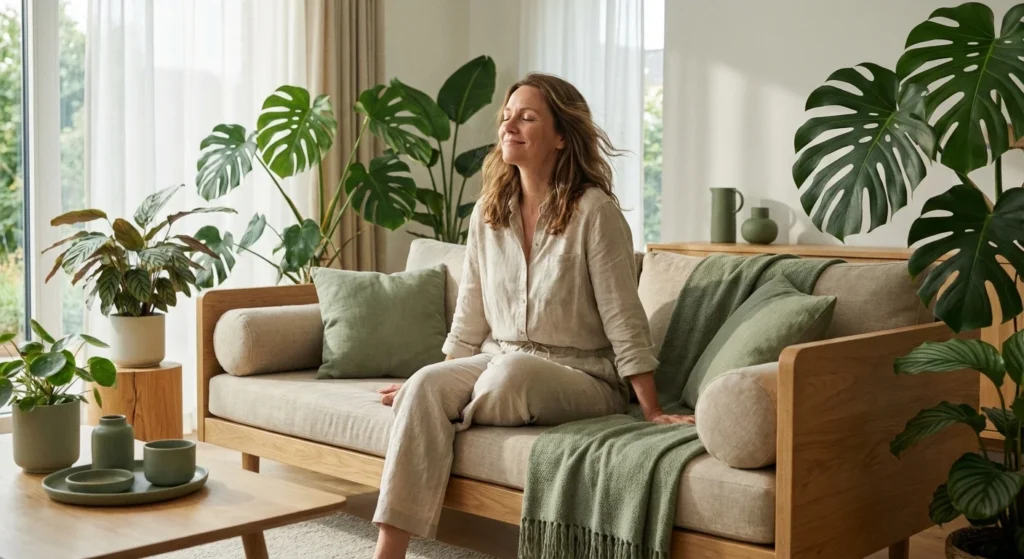
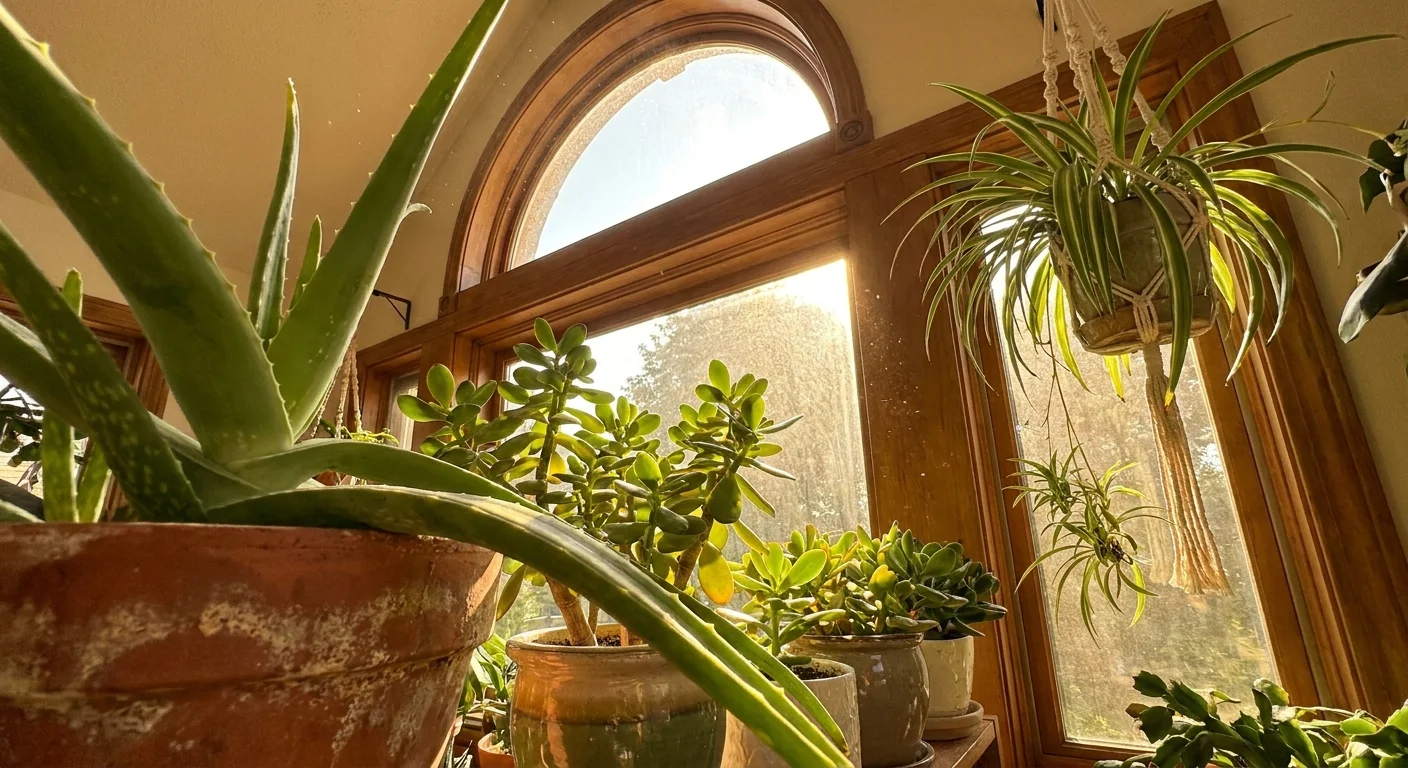
Large windows, skylights, and sunrooms completely transform the feel of a home. Natural light helps regulate your circadian rhythm, boosts your mood, and reduces the need for artificial lighting during the day. For plant enthusiasts, a home with diverse light exposures—such as bright, south-facing windows and gentle, east-facing glass—provides the perfect canvas for indoor gardening.
When touring potential homes, note the direction the primary living spaces face. South-facing sunrooms are ideal for cultivating resilient, sun-loving varieties, while filtered light supports lush foliage.
- For Sunny Spots (South/West): Aloe Vera and Jade plants thrive here. They require minimal watering and store moisture in their fleshy leaves.
- For Moderate Light (East): Spider Plants tolerate varying conditions, actively purify indoor air, and easily produce “pups” you can propagate.
- For Low Light (North): The ZZ Plant and Pothos vine are nearly indestructible. They add vibrant greenery to hallways or bathrooms without demanding direct sun.
Safety Note: If you share your home with cats or dogs, always cross-reference your indoor garden with the ASPCA Animal Poison Control database. Popular gifts like Peace Lilies or Sago Palms are highly toxic to pets and should be avoided.
3. Accessible, Walk-In Showers
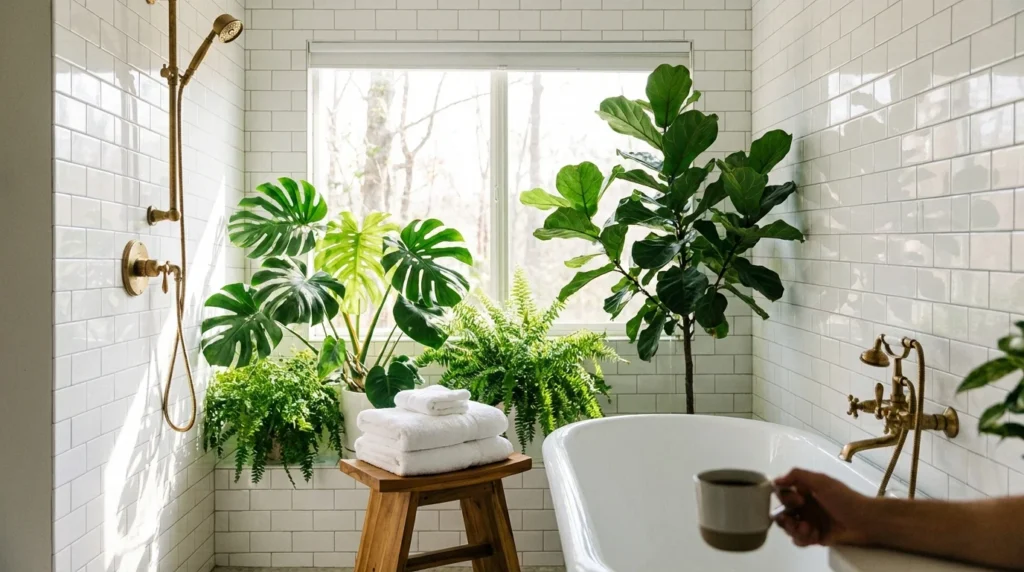
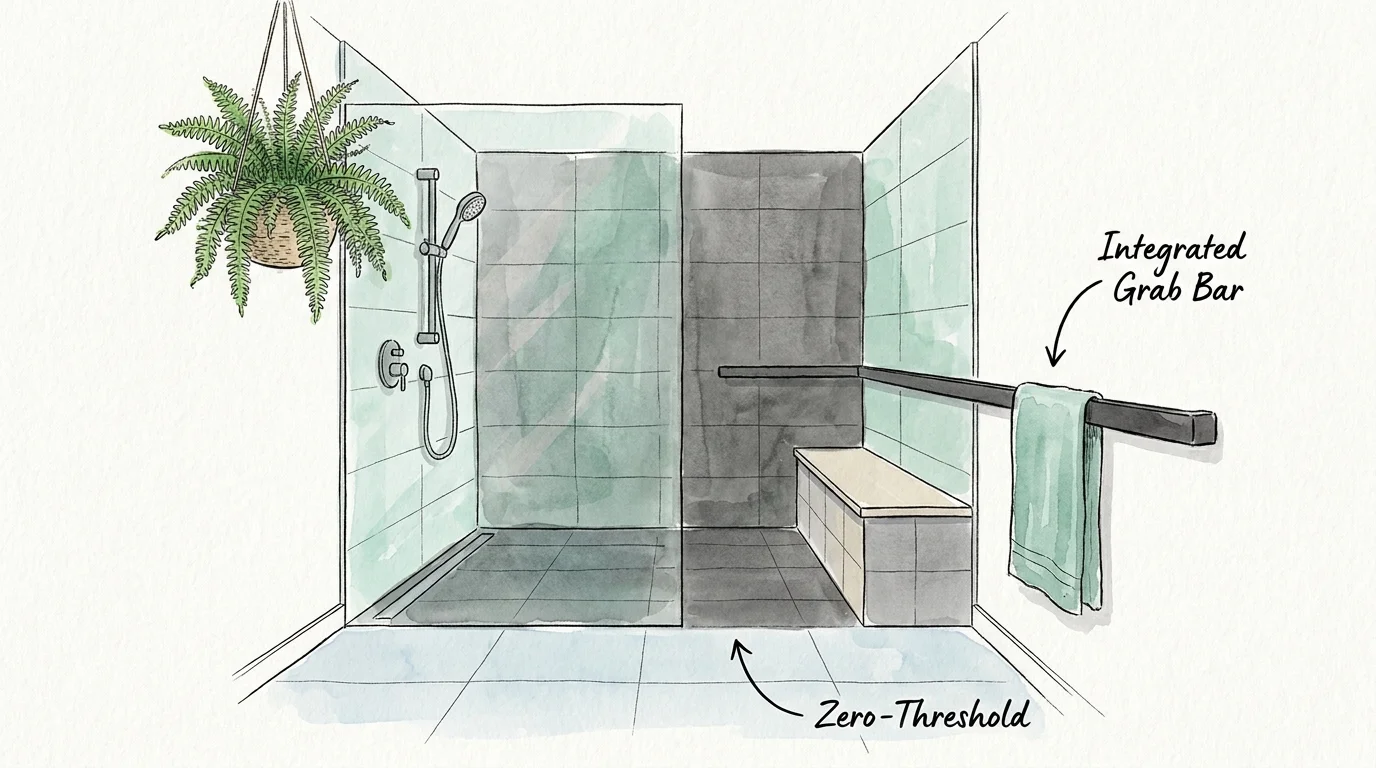
Bathrooms are historically the most hazardous rooms in the house. Buyers over 60 are moving away from deep soaking tubs and shower-tub combos in favor of spacious, walk-in showers. A curbless (or zero-threshold) shower eliminates the need to step over a high barrier, drastically reducing the risk of slips and falls.
Modern accessibility does not mean compromising on style. Today’s senior homes feature spa-like walk-in showers with built-in bench seating, handheld showerheads, and grab bars disguised as sleek, designer towel racks. A well-lit, spacious bathroom also serves double duty for plant care; the naturally humid environment is the absolute best place to hang a Boston Fern or a trailing string of hearts.
4. Slip-Resistant Flooring
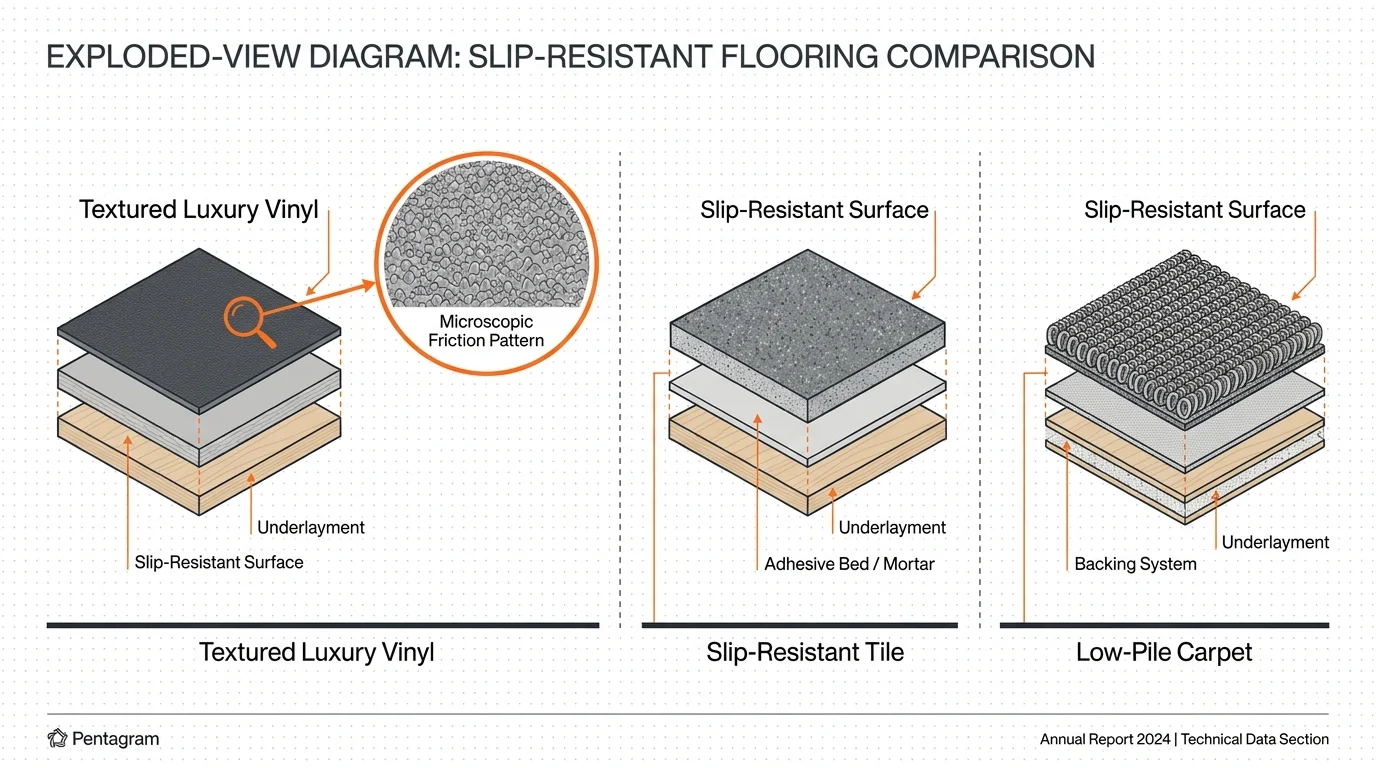
High-gloss ceramic tiles and heavily waxed hardwoods create treacherous walking surfaces, especially in socks or slippers. Furthermore, high-gloss finishes reflect overhead light, which can create glare and impair depth perception for older eyes.
Opt for slip-resistant, low-glare flooring throughout the main living areas. Luxury Vinyl Plank (LVP) remains a top choice in modern real estate because it mimics the warmth of natural wood, provides a slight cushion underfoot, and resists water damage perfectly—a crucial feature when you accidentally overwater your indoor Ficus. If you prefer tile in the bathrooms or kitchen, select smaller porcelain tiles with plenty of grout lines, or specify a matte, textured finish to ensure maximum traction.
5. Raised Garden Beds and Native Landscaping
You do not have to give up your love of gardening just because you are downsizing or aging in place. However, you should transition away from properties that demand endless weekends of mowing, weeding, and edging.
“To plant a garden is to believe in tomorrow.” — Audrey Hepburn
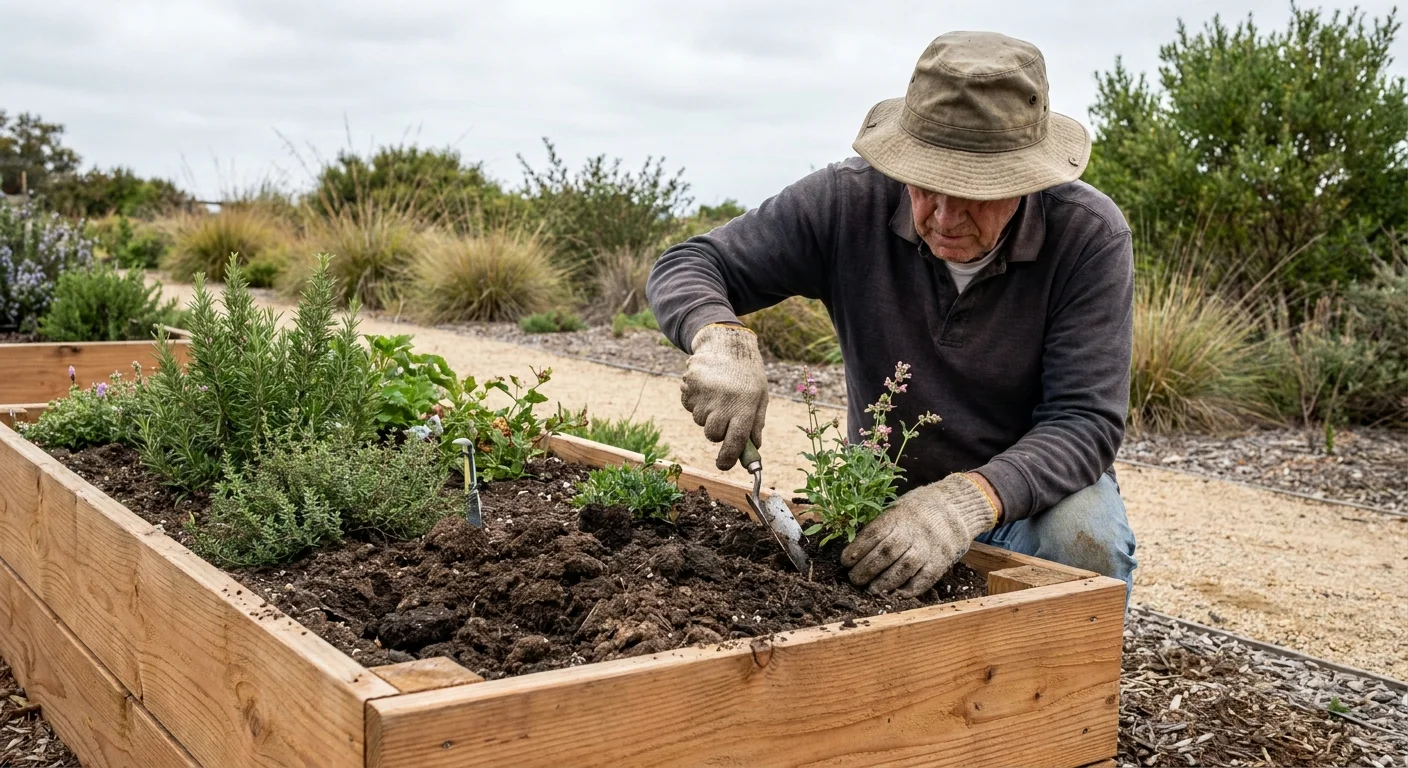
Look for homes with yards optimized for low-maintenance enjoyment. Raised garden beds bring the soil up to a comfortable height—usually 24 to 30 inches—eliminating the need to kneel or strain your back. Pair these ergonomic beds with native landscaping. Native plants have adapted to your specific climate, meaning they require a fraction of the water, fertilizer, and pest control compared to exotic ornamentals. You can research the best native perennials for your specific region through the Missouri Botanical Garden Plant Finder.
| Feature | Traditional Landscaping | Accessible Gardening |
|---|---|---|
| Plant Location | Ground-level; requires bending and kneeling. | Raised beds or heavy-duty containers at waist height. |
| Plant Types | High-maintenance turf grass and delicate annuals. | Drought-tolerant native shrubs, ornamental grasses, and perennials. |
| Watering | Manual hose dragging or oscillating sprinklers. | Automated drip irrigation lines installed directly in beds. |
| Pathways | Uneven mulch or stepping stones. | Level, wide paths made of crushed gravel or poured concrete. |

6. Smart Home and Garden Technology
Smart home features are no longer just gimmicks for tech enthusiasts; they provide genuine convenience, security, and energy savings for buyers over 60. A smart thermostat allows you to adjust your home’s climate from your recliner or bed using a smartphone. Video doorbells offer peace of mind by letting you see who is at the door without rushing to answer it.
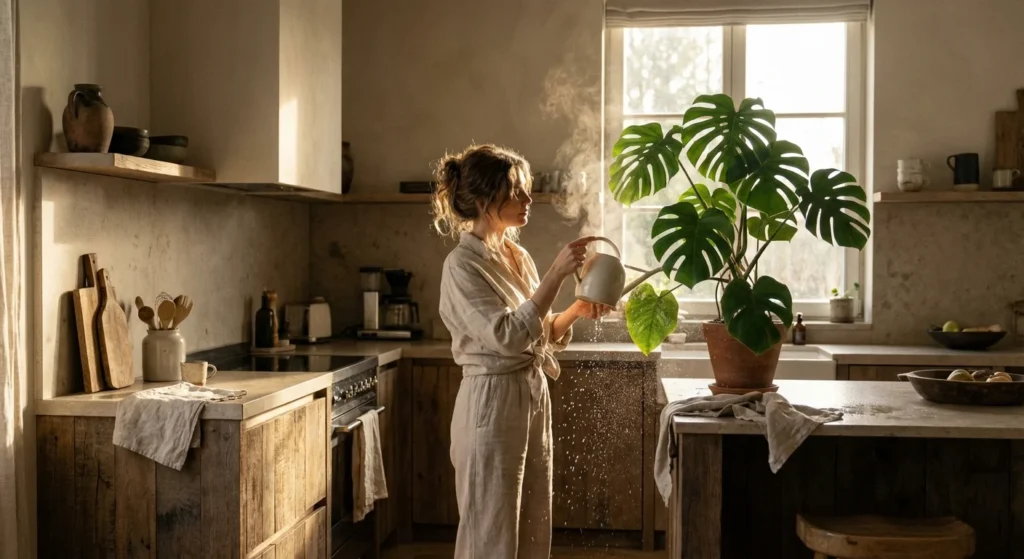
Outdoors, smart irrigation controllers check the local weather forecast and adjust your sprinkler schedule automatically, ensuring your raised beds and foundational shrubs receive the exact amount of water they need—without you ever lifting a hose. Indoors, smart plugs can control LED grow lights, giving your houseplants precisely 12 hours of light a day during the dark winter months.
7. Energy-Efficient Windows and Appliances
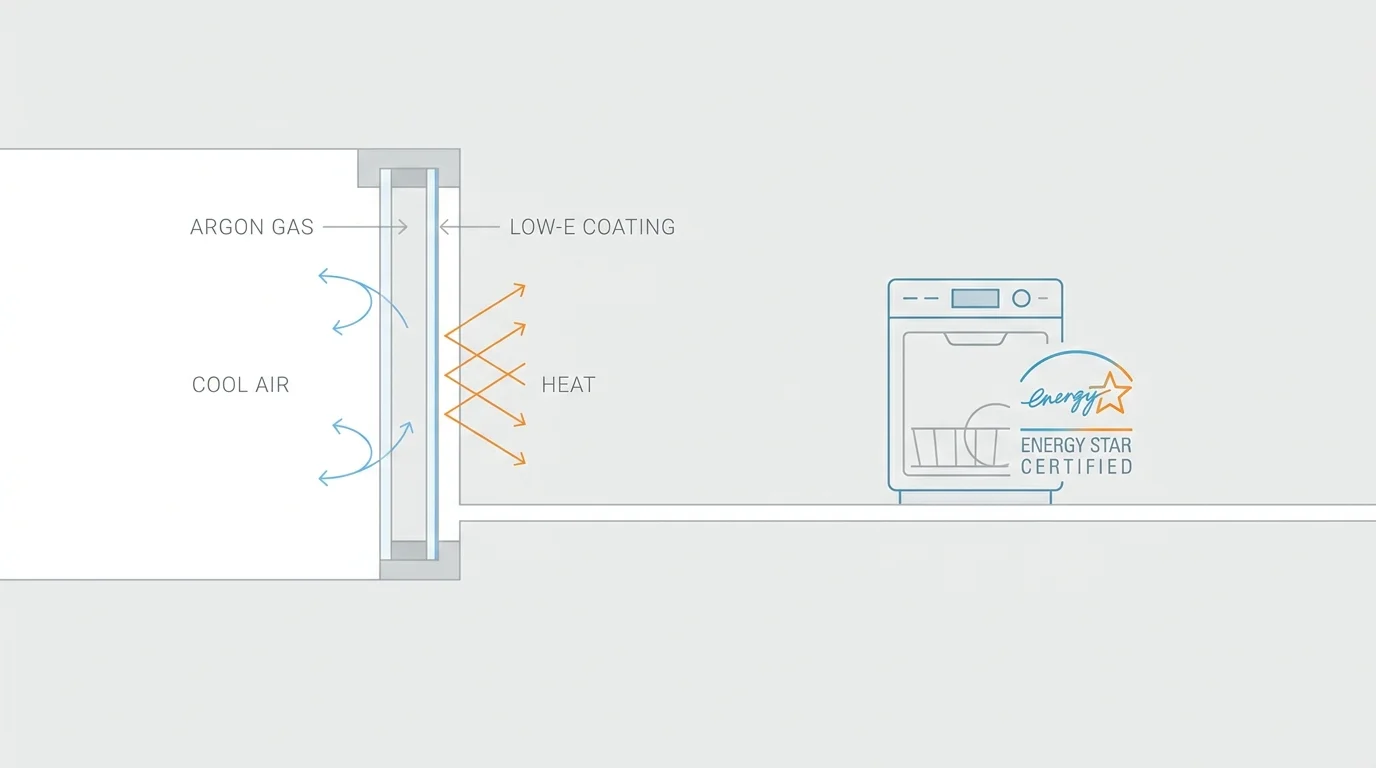
Retirement often brings a fixed income, making unpredictable utility bills a major source of stress. Prioritize homes equipped with modern, double-pane, low-E windows and high-efficiency HVAC systems. These structural upgrades keep the home warmer in the winter and cooler in the summer while blocking harmful UV rays from fading your upholstery.
Upgraded insulation and draft-free windows also protect sensitive tropical houseplants from sudden temperature drops. When evaluating a home’s kitchen and laundry room, look for appliances backed by ENERGY STAR ratings to ensure you maximize your daily energy savings.
8. Wider Doorways and Hallways
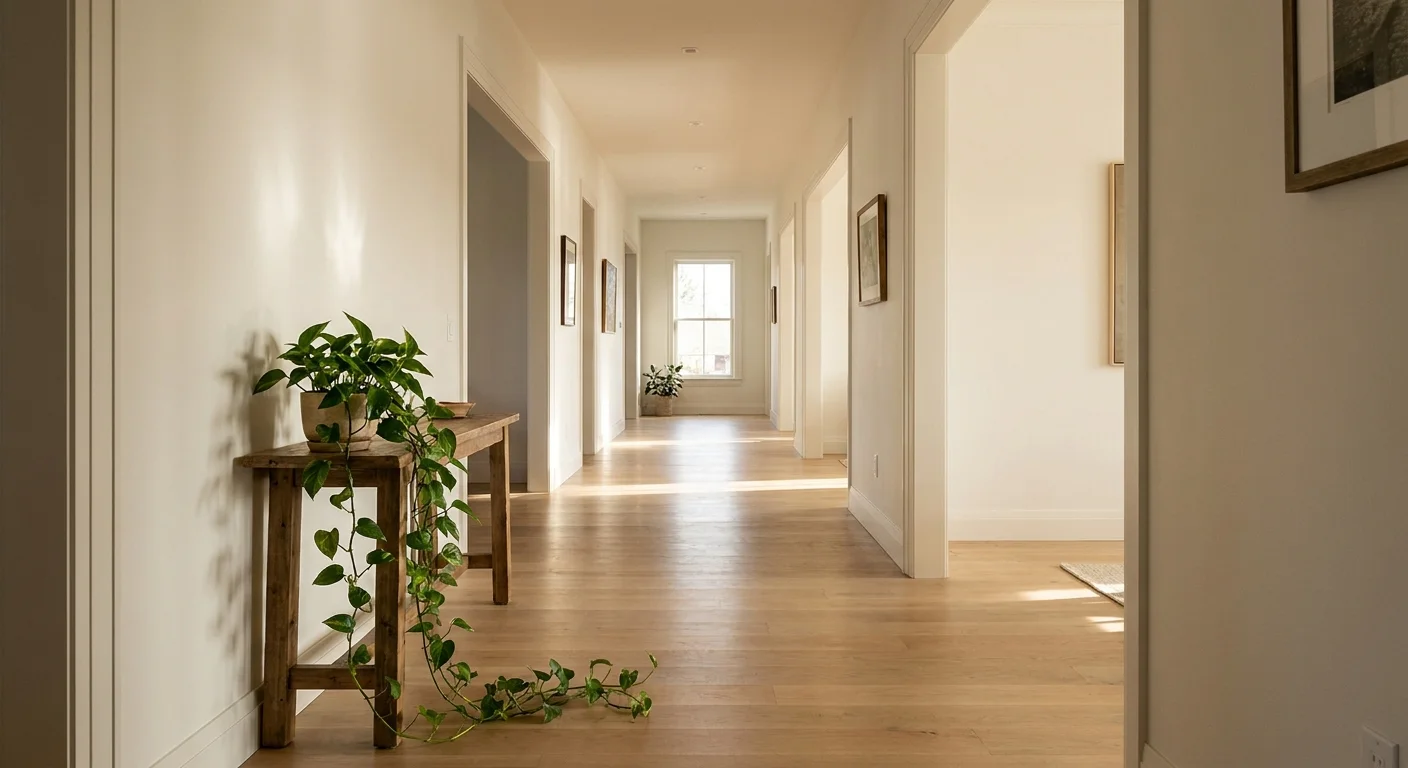
Standard interior doors measure about 30 inches wide, which can feel restrictive and completely blocks the passage of walkers or wheelchairs. Forward-thinking retirement housing utilizes doors that are at least 36 inches wide, alongside hallways spanning 42 to 48 inches across.
Even if you never require a mobility aid, wider thoroughfares make a home feel grander and more welcoming. They allow natural light to penetrate deeper into the interior rooms, and they make moving large furniture—or a heavy, potted Monstera—infinitely easier. If you find a home you love that lacks wide doorways, resources like This Old House offer excellent guides on installing offset “swing-clear” hinges, an affordable DIY hack that adds nearly two inches of clearance to existing door frames.
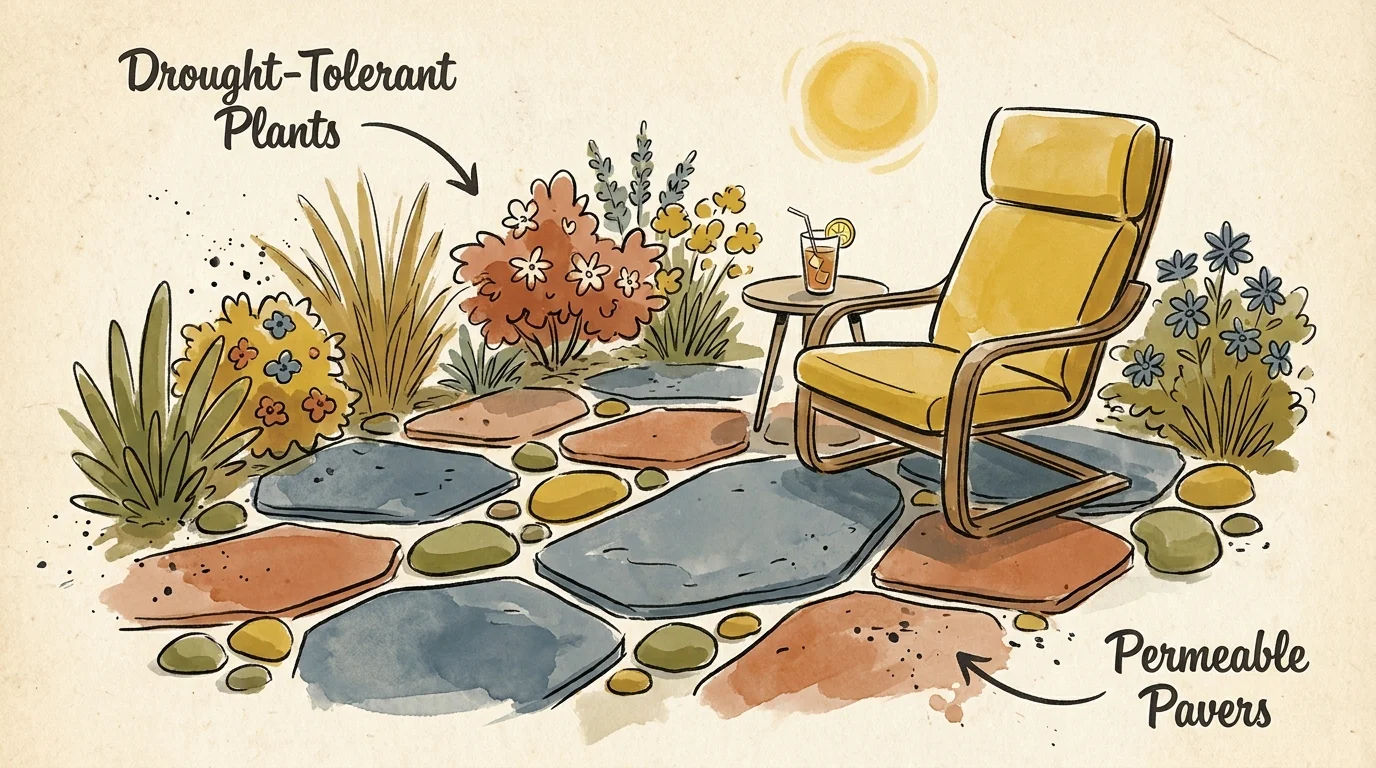
9. Low-Maintenance Outdoor Living Areas
A sprawling backyard might have been ideal for raising a family, but today’s buyers over 60 prefer curated, comfortable outdoor living spaces. Screened-in porches, covered patios, and four-season rooms provide the joy of fresh air and nature without the burden of constant upkeep or the annoyance of mosquitoes.
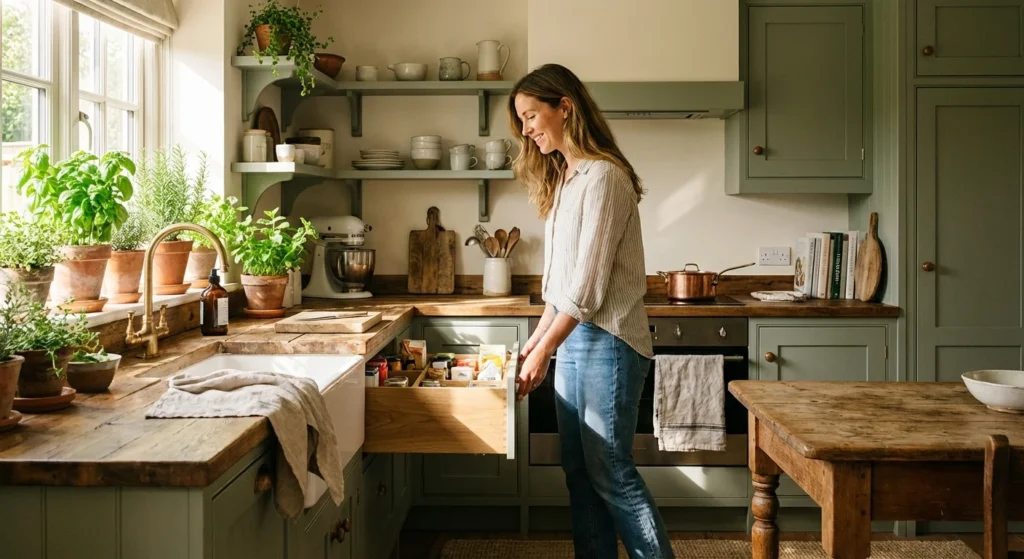
These protected outdoor zones are the perfect environment for container gardening. Groupings of terracotta and ceramic pots allow you to cultivate culinary herbs like basil and rosemary right outside your kitchen door. Establish a comfortable seating area surrounded by your favorite blooming perennials to create a private sanctuary where you can enjoy your morning coffee.

When It’s Worth the Investment
If you find a property in a perfect neighborhood that lacks a few of these features, you must decide which renovations are worth funding before move-in day. Always invest in structural and safety modifications first. Widening a hallway, installing a curbless shower, or replacing slick tile with matte LVP flooring requires messy demolition and is best completed while the house is empty. Conversely, swapping out appliances, adding smart thermostats, or building raised garden beds in the backyard are flexible projects you can tackle at your own pace once you are settled.
Don’t Make These Errors
Avoid being charmed by cosmetic staging at the expense of practicality. A beautiful historic home might boast original character, but steep, narrow staircases, uneven brick pathways, and sunken rooms will eventually become daily frustrations. Similarly, resist the urge to purchase a property with a steep, sloped driveway; it presents a severe slip hazard in icy winter conditions and makes receiving deliveries difficult.
Frequently Asked Questions
What exactly does “aging in place” mean?
Aging in place refers to the ability to live in your own home safely, independently, and comfortably as you get older. It involves modifying the living environment—like installing grab bars, improving lighting, and choosing single-story layouts—to accommodate changing physical needs over time.
Are raised garden beds expensive to install?
The cost varies based on the materials used. Basic galvanized steel troughs or DIY untreated cedar beds can be assembled for under $100 each. Custom masonry or composite lumber beds cost more upfront but will last for decades without rotting, making them a worthwhile investment for serious gardeners.
Which low-maintenance houseplants are best for a senior’s home?
For low effort and high reward, choose the ZZ Plant, Snake Plant, or Golden Pothos. They require minimal watering (often just once every two to three weeks), tolerate average indoor lighting, and rarely suffer from pest infestations.
Moving Forward with Confidence
Selecting your next home is a powerful opportunity to design a lifestyle centered around comfort and ease. By prioritizing accessible layouts, safe flooring, and spaces that invite natural light and greenery indoors, you create a foundation that supports your independence and well-being. Start making a checklist of these nine non-negotiable features before you attend your next open house; clarity now prevents costly compromises later.
Plant care requirements vary by climate, soil, and growing conditions. Always confirm plant toxicity with your veterinarian if you have pets or young children.
Last updated: May 2026. Plant care guidance reflects current horticultural best practices—always observe your specific plant’s signals.