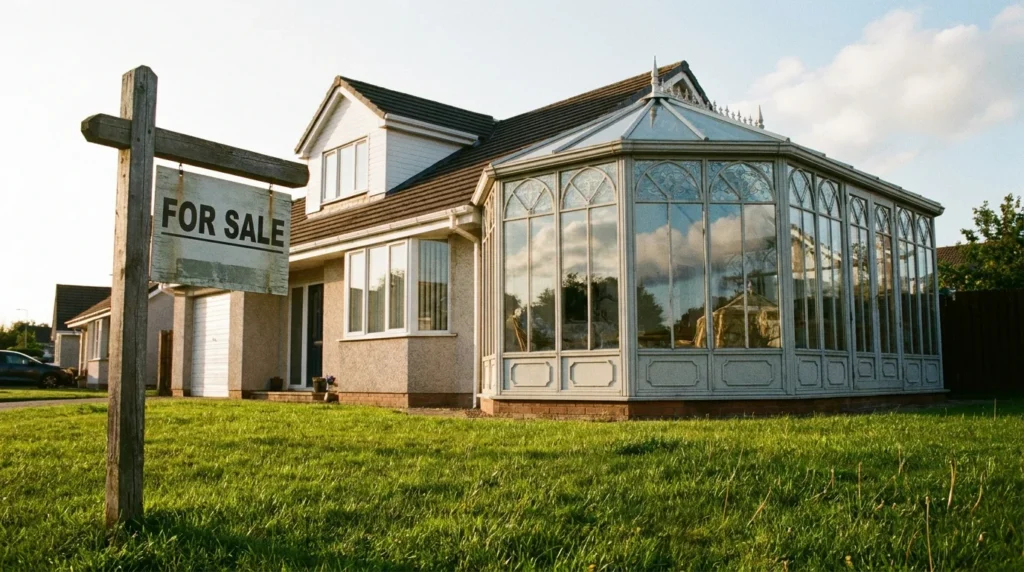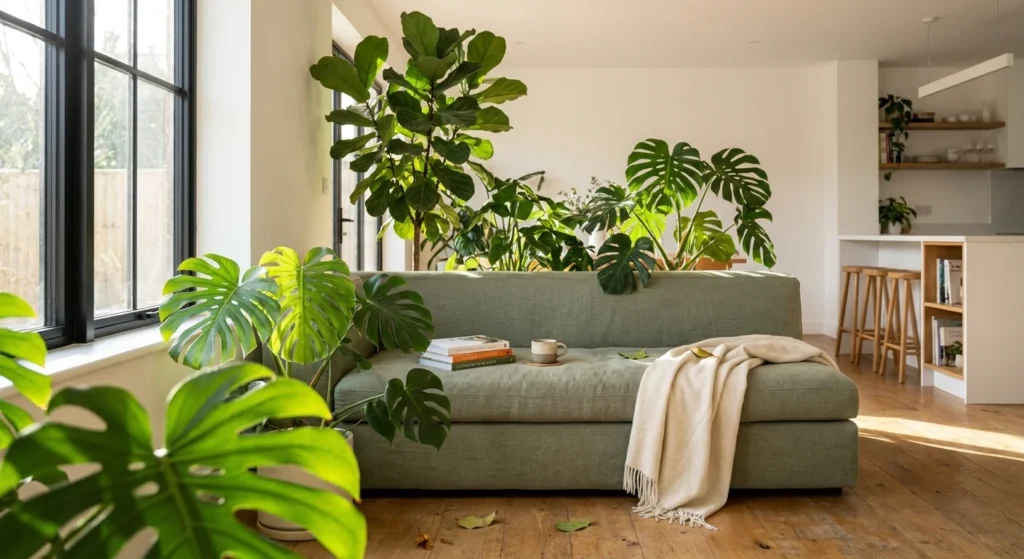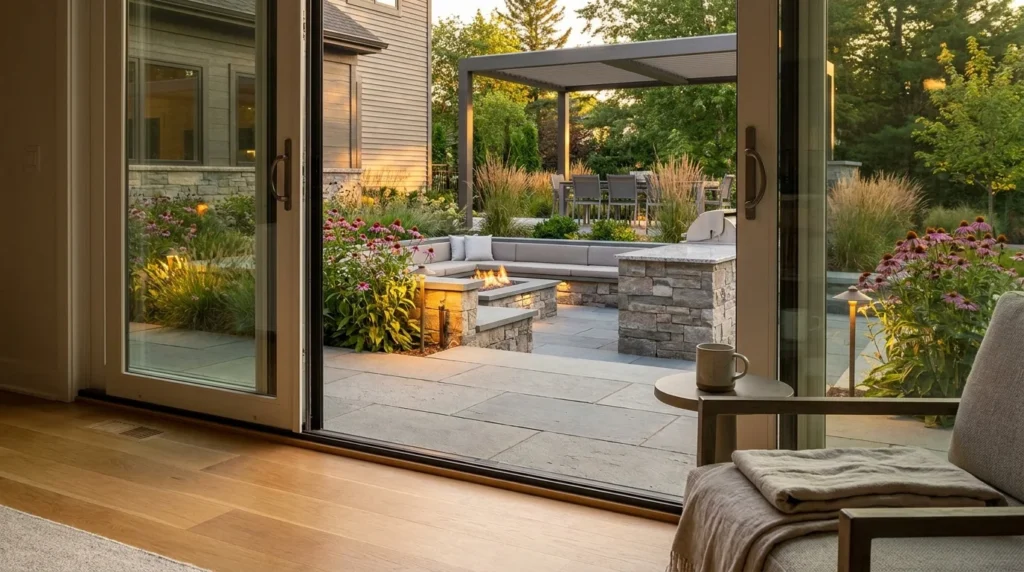
Modifying your home for the long haul means prioritizing independence without sacrificing your personal style. The most effective aging-in-place features blend seamlessly into your existing decor while quietly removing daily friction and safety hazards. Rather than waiting for a mobility challenge to dictate emergency renovations, proactive homeowners are integrating accessible design elements today to ensure their space remains comfortable for decades. Simple swaps like lever-style door handles and rocker light switches yield immediate convenience, while larger investments like curbless showers and step-free entrances fundamentally secure your home’s longevity. By evaluating your property through the lens of accessibility now, you create a beautiful, functional environment that effortlessly adapts to your needs over time.
1. Step-Free Entrances and Thresholds
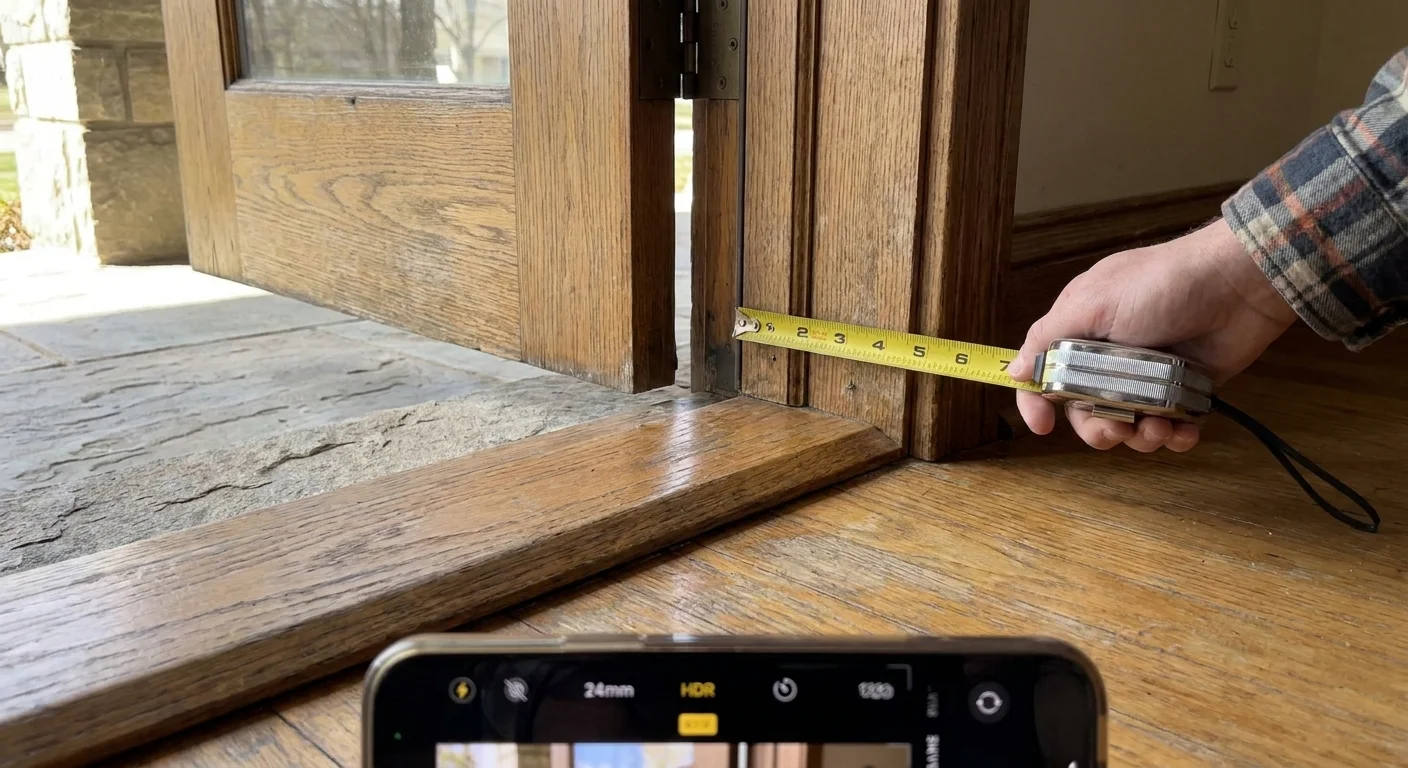
Navigating stairs becomes increasingly difficult as mobility changes. A zero-step entrance is the gold standard for aging in place, allowing smooth access for wheelchairs, walkers, or simply tired legs carrying heavy groceries. Creating a seamless transition from the outdoors to your interior living space drastically reduces the risk of tripping and falling at the threshold.
If your property sits high on a foundation, you do not necessarily need a clinical-looking metal ramp. Landscape architects often design gentle, grading walkways that incorporate hardscaping and native plantings to build a natural, sweeping path to the front door. For homes where grading is impossible, a custom-built wooden or composite ramp tucked behind attractive landscaping offers functionality without compromising your home’s curb appeal.
Once you reach the door, the threshold itself requires attention. Traditional thresholds project up to an inch above the floor. You can replace these with low-profile or flush thresholds. Furthermore, expanding exterior doorways to at least 36 inches wide ensures comfortable clearance for mobility devices down the line.
- Action Step: Walk your main entry path. Identify any uneven pavers, overgrown roots, or steep steps. Plan to replace traditional steps with a gently sloping, slip-resistant stamped concrete walkway.
2. Main-Floor Living Essentials
A true aging-in-place home accommodates your entire daily routine on a single level. Multi-story homes present a significant challenge when stairs become a barrier. Relocating essential rooms to the ground floor extends the years you can comfortably live in your home.
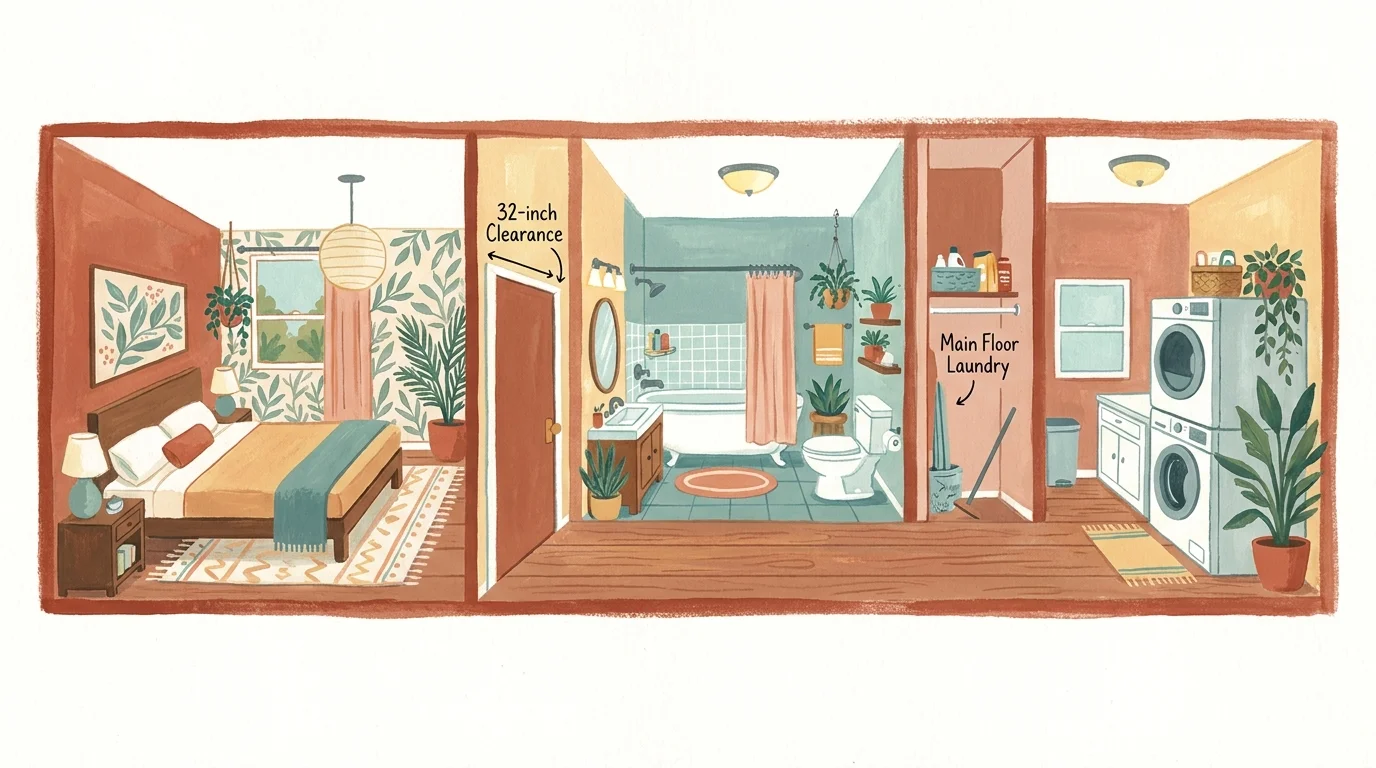
If your current master suite resides on the second floor, evaluate your main level for conversion opportunities. A formal dining room, a large home office, or a den often provides enough square footage to construct a primary bedroom. You must also ensure a full bathroom is accessible on this level. Hauling laundry baskets up and down stairs causes frequent injuries, making a main-floor laundry room or a stacked washer-and-dryer closet a non-negotiable upgrade.
Beyond room placement, interior doorways must allow free movement. Standard interior doors measure 28 to 30 inches wide, which severely restricts walker or wheelchair access. Widen your primary passageways to a minimum of 32 inches—though 36 inches is ideal. If structural limitations prevent widening the frame, install offset hinges (also known as swing-clear hinges) to swing the door completely clear of the frame, gaining nearly two extra inches of clearance.
3. The Curbless Walk-In Shower
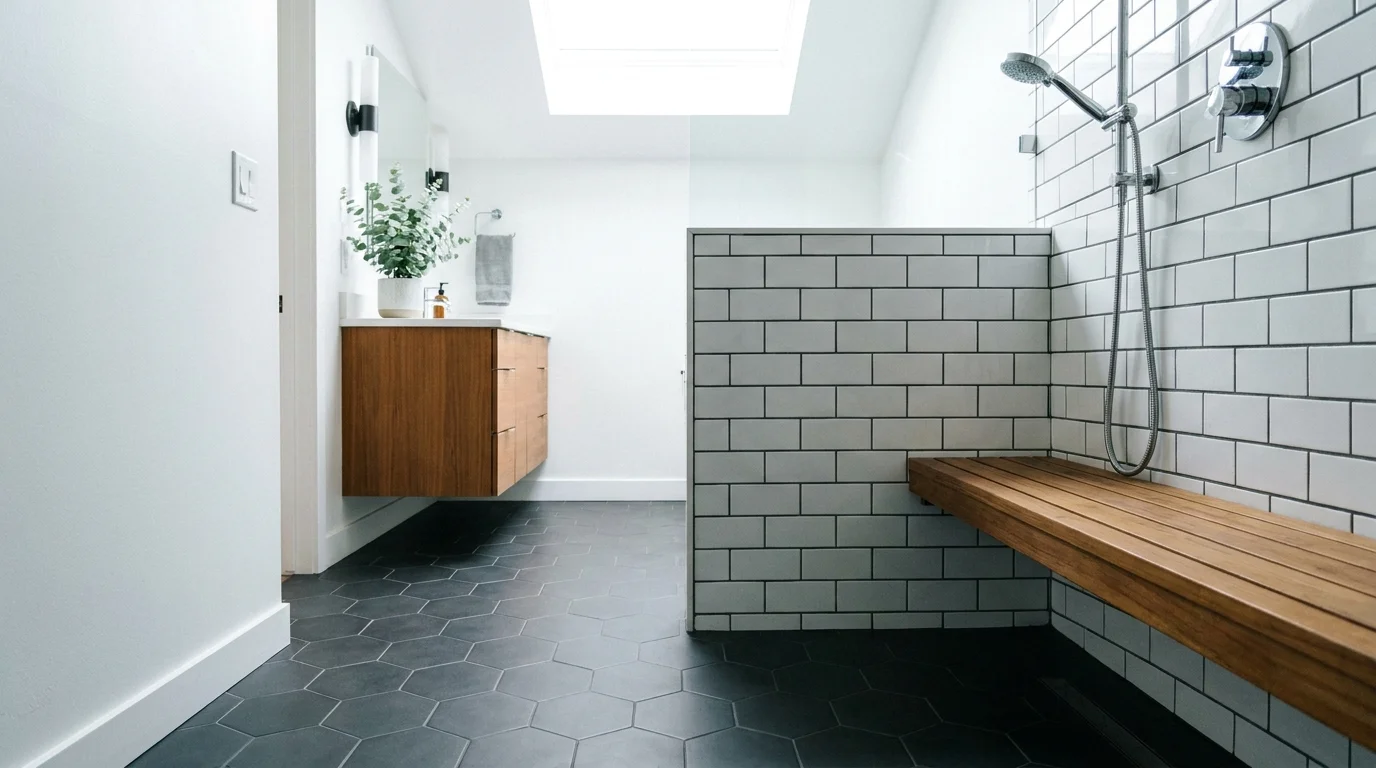
Bathrooms pose the highest risk for household falls, largely due to slick surfaces and high step-overs. The traditional bathtub requires balancing on one foot on a wet surface, a dangerous maneuver for anyone with compromised balance. The curbless shower eliminates this hurdle entirely, offering a continuous floor plane from the bathroom directly into the shower enclosure.
Modern curbless showers employ linear drains positioned along the back wall or perimeter, requiring only a subtle floor slope to guide water away. This design allows you to run large-format tiles right up to the shower edge, switching to smaller, highly textured tiles inside the shower for maximum grip. Resources like This Old House provide excellent visual guides on sloping subfloors properly to prevent water pooling.
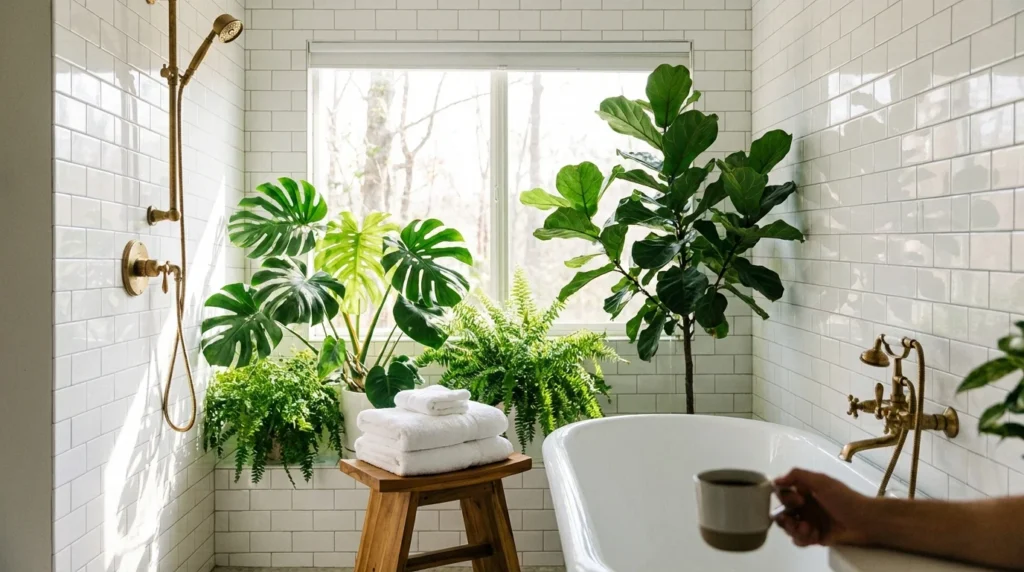
Do not forget the hardware. Install a handheld showerhead on a sliding vertical bar to accommodate both standing and seated bathing. Grab bars are essential, but they no longer need to resemble hospital equipment. Manufacturers now produce beautiful, heavy-duty towel bars and toilet paper holders rated to support up to 250 pounds.
Bathroom Flooring Options for Aging in Place
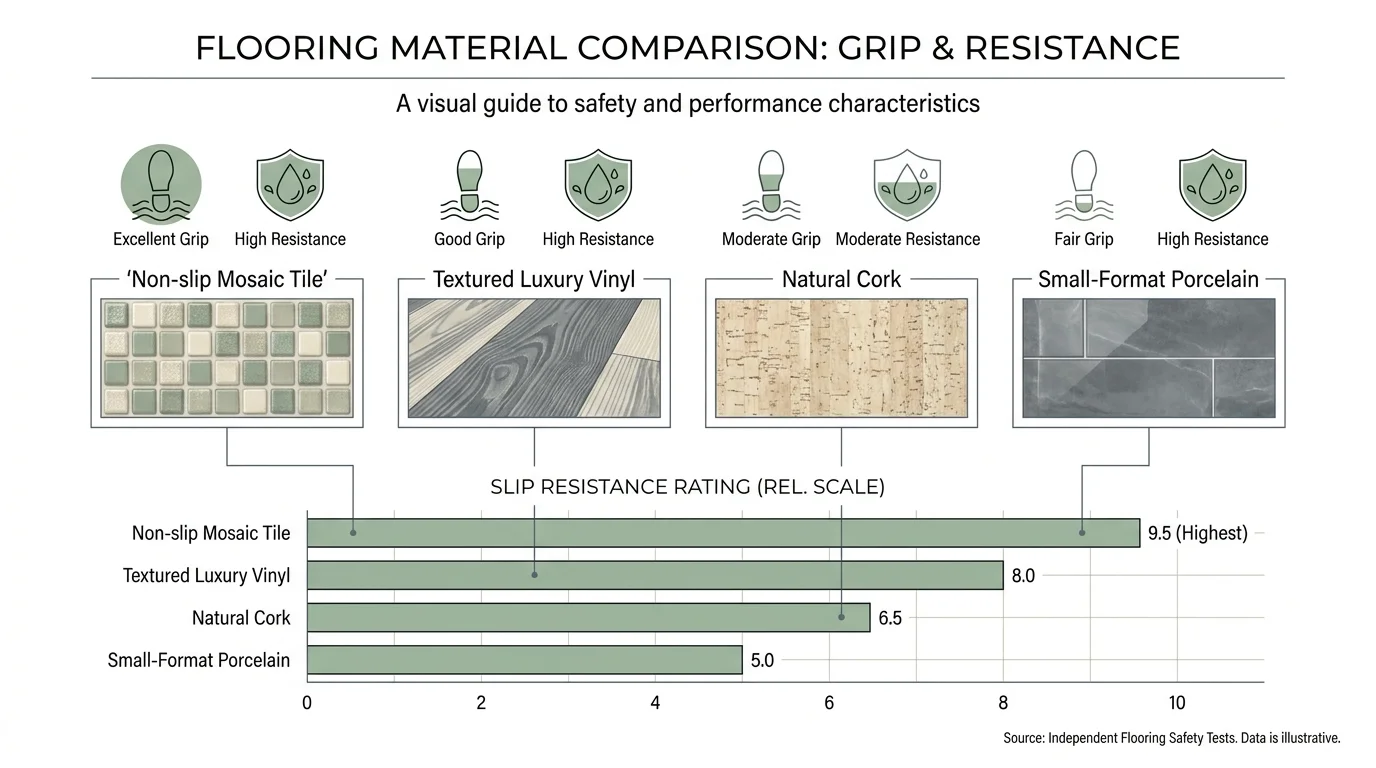
| Flooring Material | Slip Resistance | Maintenance | Best Application |
|---|---|---|---|
| Matte Porcelain Tile (Mosaic) | High (numerous grout lines add grip) | Medium (requires periodic grout sealing) | Shower floors and high-moisture zones |
| Luxury Vinyl Plank (LVP) | Medium-High (if textured) | Low (highly water resistant) | Main bathroom floor |
| Honed Natural Stone | Medium | High (requires frequent sealing) | Accent walls or dry vanity areas |
| Polished Marble/Ceramic | Very Low (extremely slippery when wet) | Medium | Avoid entirely for aging in place |
4. Accessible Kitchen Design
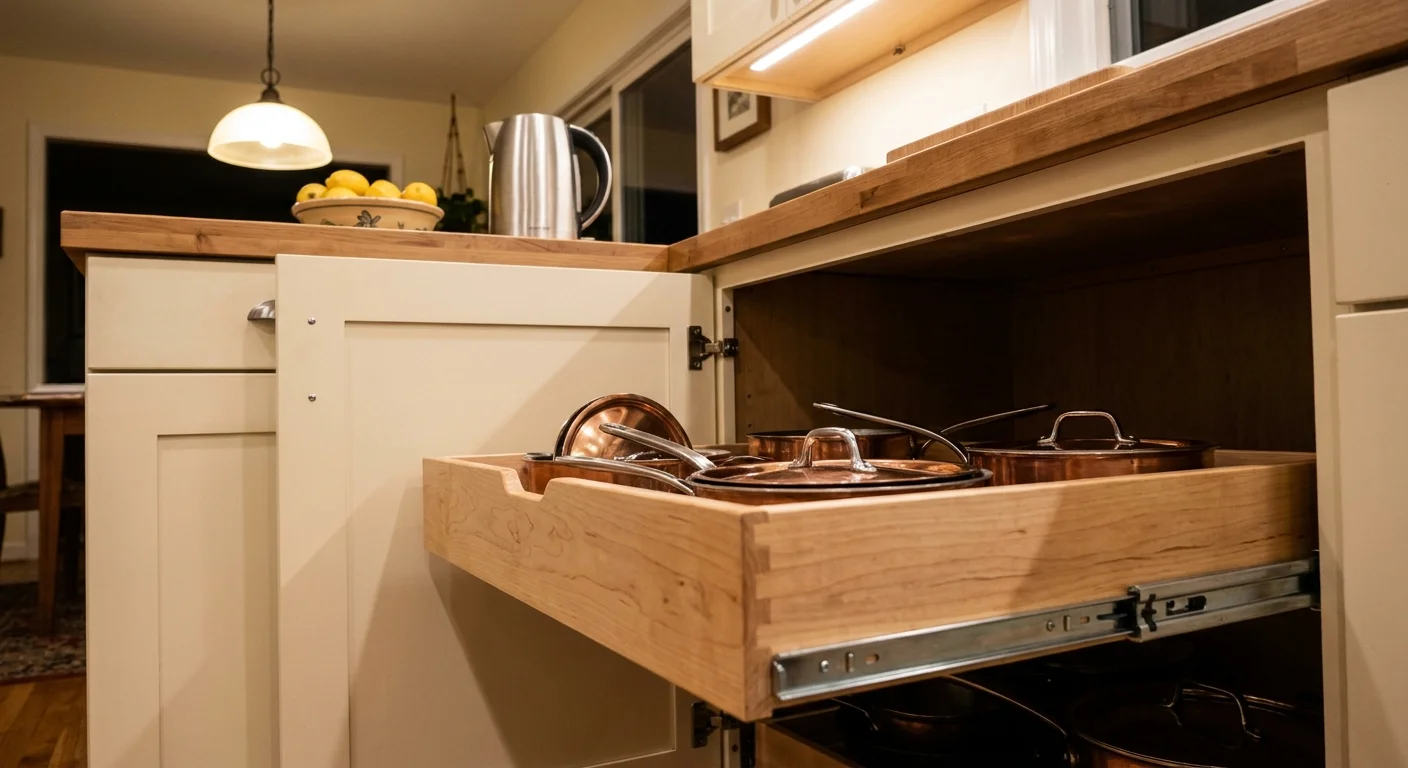
The kitchen serves as the heart of the home, but standard cabinetry often forces homeowners to reach dangerously high or crouch uncomfortably low. An accessible kitchen focuses on bringing items to the user rather than forcing the user to stretch for the items.
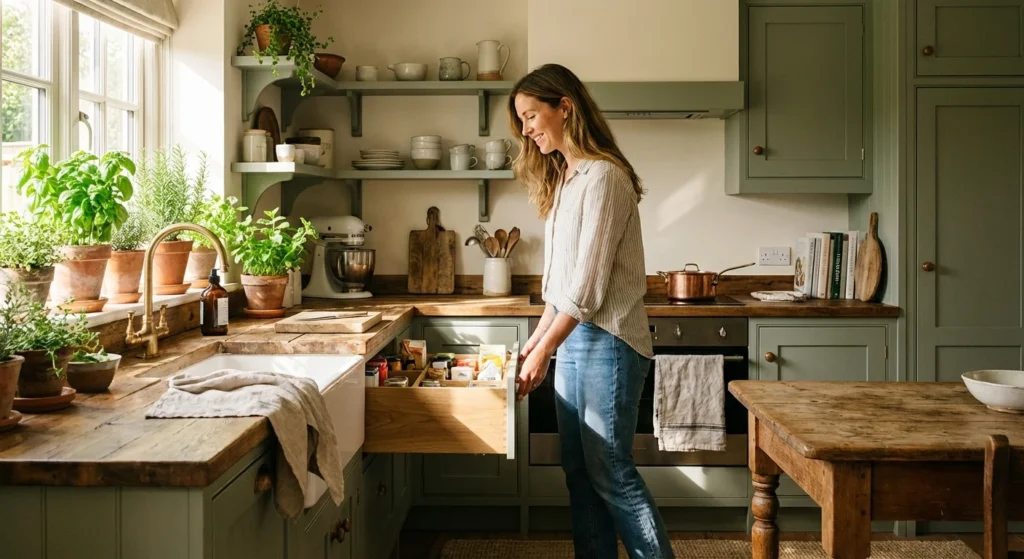
Swap out lower cabinet doors for deep, full-extension drawers. Drawers allow you to view and retrieve pots, pans, and heavy dishes from a standing position. For upper cabinets, install pull-down shelving mechanisms that smoothly lower the cabinet contents to counter height. D-shaped cabinet pulls are vastly superior to round knobs, as they allow users to hook a finger or wrist through the handle to open the drawer without requiring a strong pinch grip.
Appliance placement requires a strategic approach. Elevate the dishwasher six to eight inches off the floor to minimize bending during loading. Replace traditional ranges with wall ovens installed at counter height and separate induction cooktops. Induction cooking is incredibly safe for aging eyes and hands—the surface only heats the magnetic cookware, remaining cool to the touch otherwise, which prevents accidental burns. For more layout inspiration, Better Homes & Gardens frequently highlights universally designed kitchens that prioritize workflow and safety.
5. Lever-Style Hardware and Automation
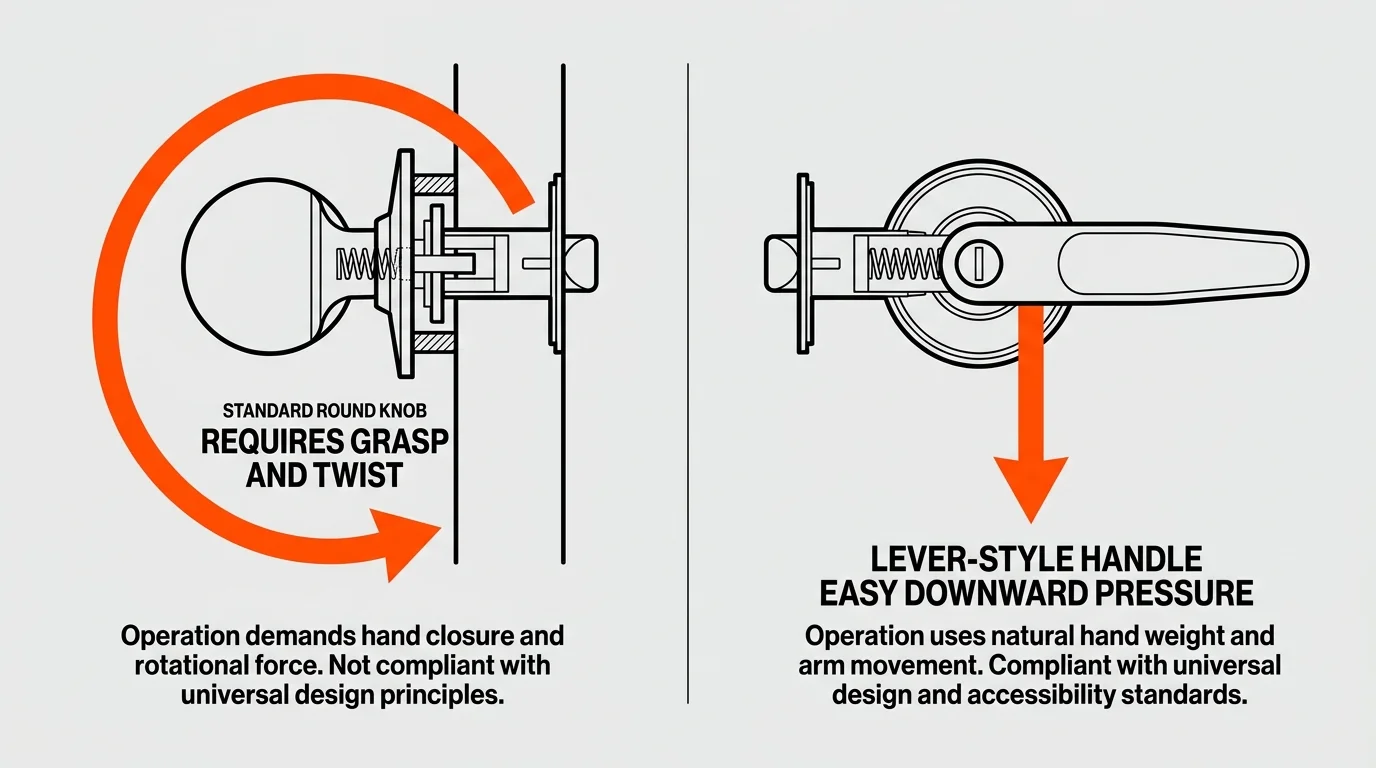
Arthritis and reduced grip strength turn standard round doorknobs into daily frustrations. Replacing every knob in your house with a lever-style handle offers an immediate, low-cost accessibility upgrade. Levers require zero grip strength; you can push them down with an elbow, a hip, or the side of your hand.
Apply this same logic to your plumbing fixtures. Touchless faucets or single-lever handles in the kitchen and bathrooms remove the need to twist tight knobs with wet hands.
Smart home technology acts as an invisible assistant for aging in place. Voice-controlled thermostats, smart locks, and automated blinds eliminate the physical strain of routine household tasks. You can program a smart speaker to adjust the climate, lock the front door, and turn off the lights—all from the comfort of a bed or armchair.
6. Slip-Resistant Flooring with Smooth Transitions
Wall-to-wall plush carpeting impedes wheelchairs and creates a tripping hazard for shuffling feet, while highly polished stone acts like an ice rink. The ideal aging-in-place flooring strikes a balance: it must provide traction, offer a slight cushion for joints, and allow mobility devices to glide smoothly.
Cork and high-quality luxury vinyl plank (LVP) stand out as excellent options. Cork naturally absorbs impact, offering relief to aching knees and hips, while LVP handles spills effortlessly and mimics the look of premium hardwood.
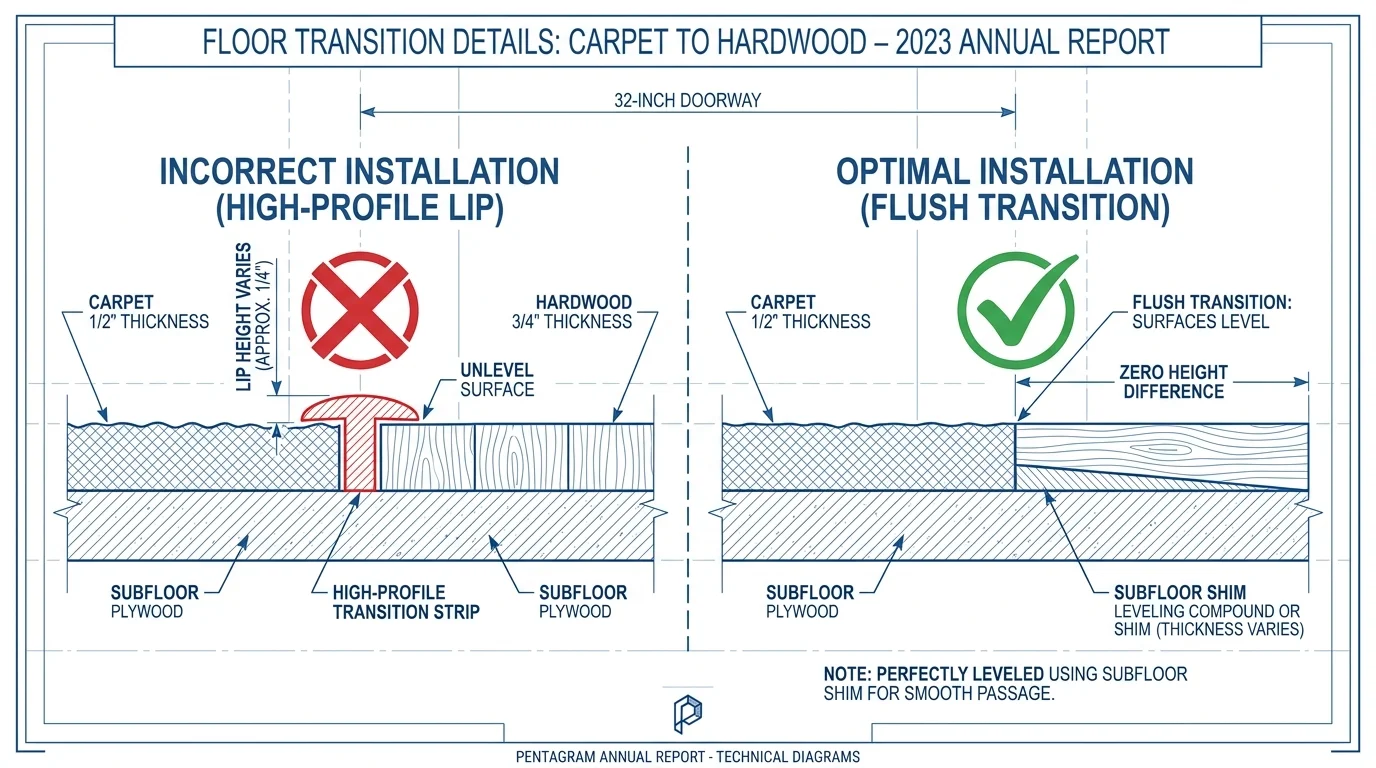
Crucially, you must address the transitions between different flooring types. A transition strip that raises even a quarter of an inch catches toes and walker wheels. Aim for flush transitions across all rooms. Finally, permanently remove loose area rugs and scatter mats. If you absolutely must keep an area rug for aesthetic reasons, secure it firmly to the floor with heavy-duty, double-sided carpet tape, ensuring the edges cannot curl.
7. Abundant, Layered Lighting
As eyes age, the lenses thicken and the pupils shrink, meaning a 60-year-old requires roughly three times more ambient light to read than a 20-year-old. Dimly lit hallways and shadowed staircases become severe safety liabilities. Layered lighting solves this problem by combining ambient overhead fixtures, focused task lighting, and subtle accent illumination.
Start by maximizing natural light through sheer window treatments and strategically placed mirrors. Next, upgrade all overhead fixtures with bright, warm-white LED bulbs. Install continuous LED strip lighting under your kitchen and bathroom cabinets to illuminate countertops perfectly, eliminating shadows created by your own body while you work.
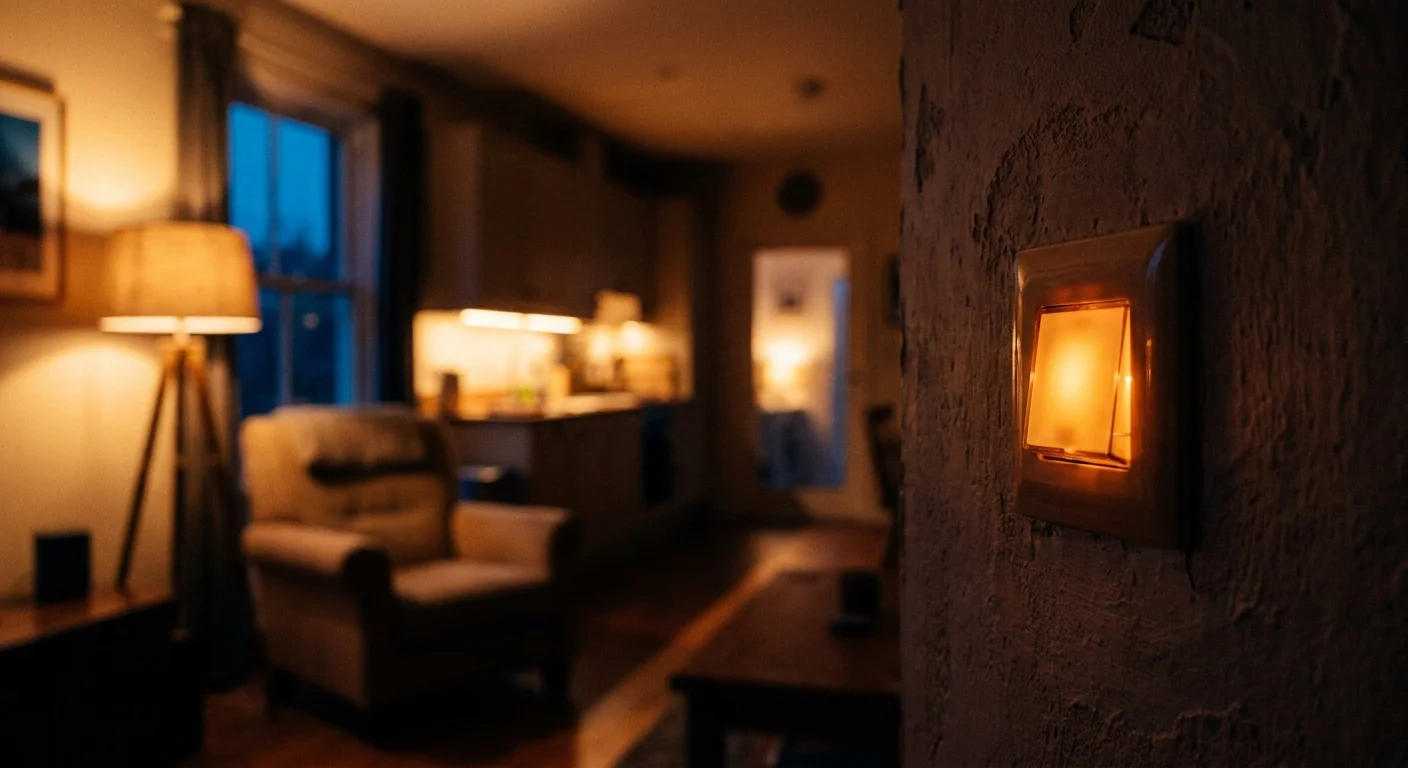
Hallways, stairs, and the path from the bedroom to the bathroom require automated illumination. Hardwired motion-sensor baseboard lights guide your way during midnight bathroom trips without requiring you to fumble for a switch. When replacing standard toggle switches, choose illuminated rocker switches; they are easier to press and easy to locate in the dark. Browsing platforms like Houzz can help you discover lighting fixtures that deliver high lumens without looking utilitarian.

Cultivating Joy: Accessible Gardening and Plant Care
Aging in place is not solely about navigating your hallway safely; it is about maintaining your passions, hobbies, and connection to nature. Gardening provides incredible mental and physical health benefits, but bending over ground-level beds strains the lower back and knees.
“A house is not a home unless it contains plants, light, and something growing.” — Traditional Paraphrase
Bring the garden up to your level. Raised planter beds built to a height of 24 to 30 inches allow you to prune, weed, and harvest while seated on a bench or mobility scooter. Container gardening on a sunny patio requires less maintenance and water than traditional landscaping. Install drip irrigation on a simple timer to eliminate the chore of lugging heavy watering cans across the yard.
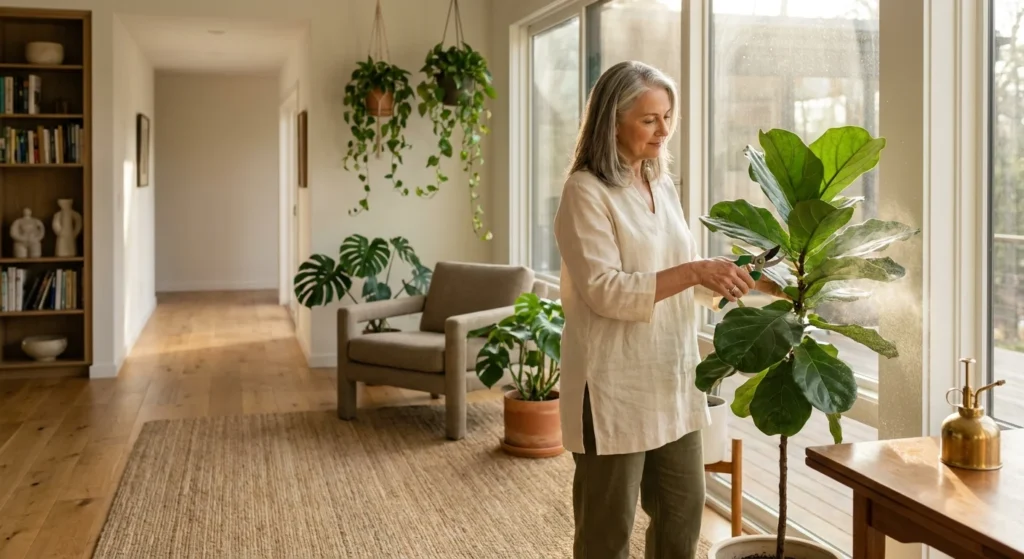
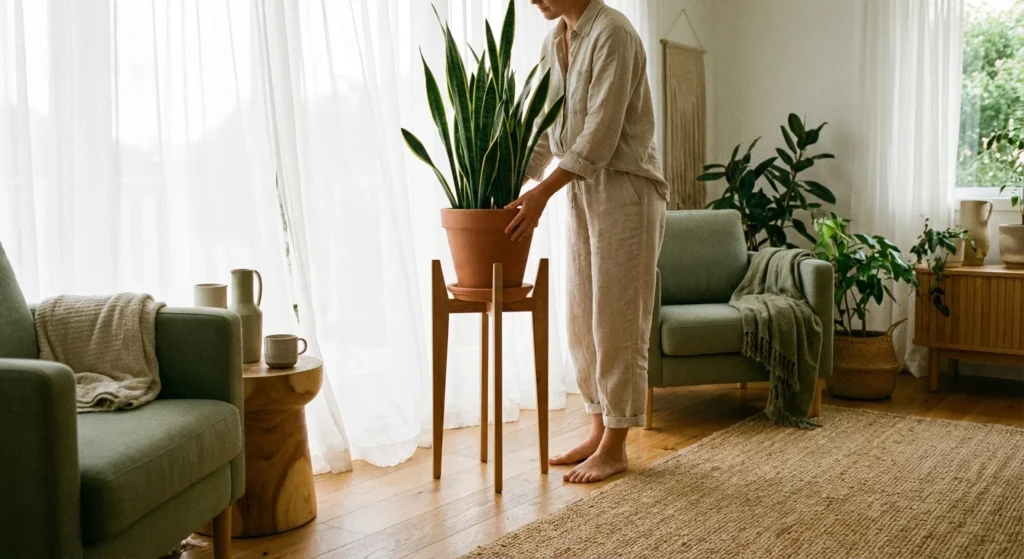
For indoor plant lovers, prioritize low-maintenance species that thrive without constant intervention. Snake plants, pothos, and ZZ plants tolerate missed waterings and lower light conditions. Place heavy ceramic pots on wheeled plant caddies so you can easily glide them across the floor for cleaning or chasing the winter sun. Always ensure your botanical choices are safe for any furry companions joining you in retirement; verify toxicity levels through the ASPCA Animal Poison Control database before bringing a new plant home.
Where Most People Go Wrong
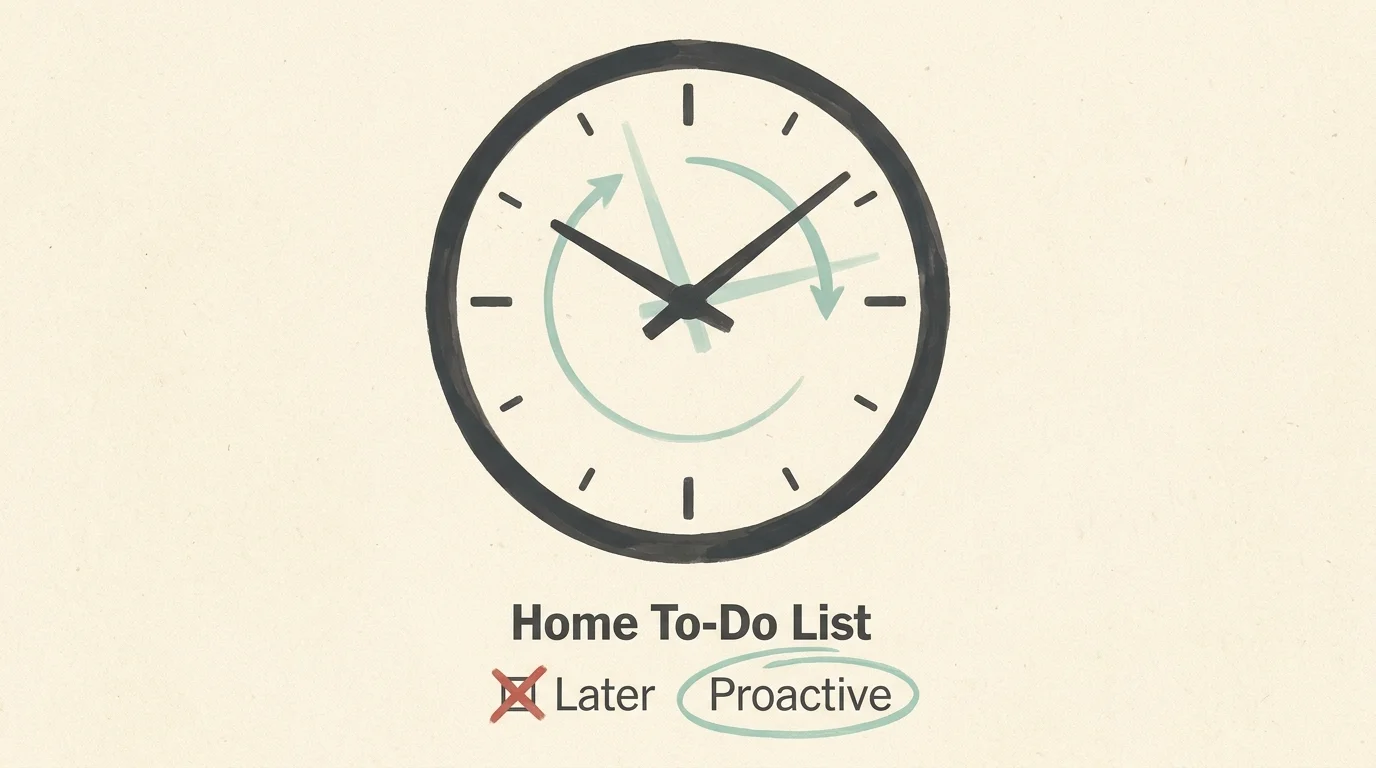
The most common mistake homeowners make is waiting until a medical emergency forces their hand. Renovating a bathroom while simultaneously recovering from a hip replacement adds immense stress to an already difficult situation. Proactive remodeling allows you to price-shop, choose aesthetically pleasing materials, and avoid rushed, clinical-looking installations.
Another frequent misstep is ignoring the exterior maintenance burden. A home might have a perfectly accessible interior, but if it sits on a steeply sloped acre of lawn requiring constant mowing, raking, and snow removal, it will eventually become unmanageable. Simplify your exterior footprint. Replace thirsty turf grass with native, drought-tolerant groundcovers, and swap high-maintenance wood siding for durable fiber cement or vinyl that only requires an occasional power wash.
When to Call a Professional
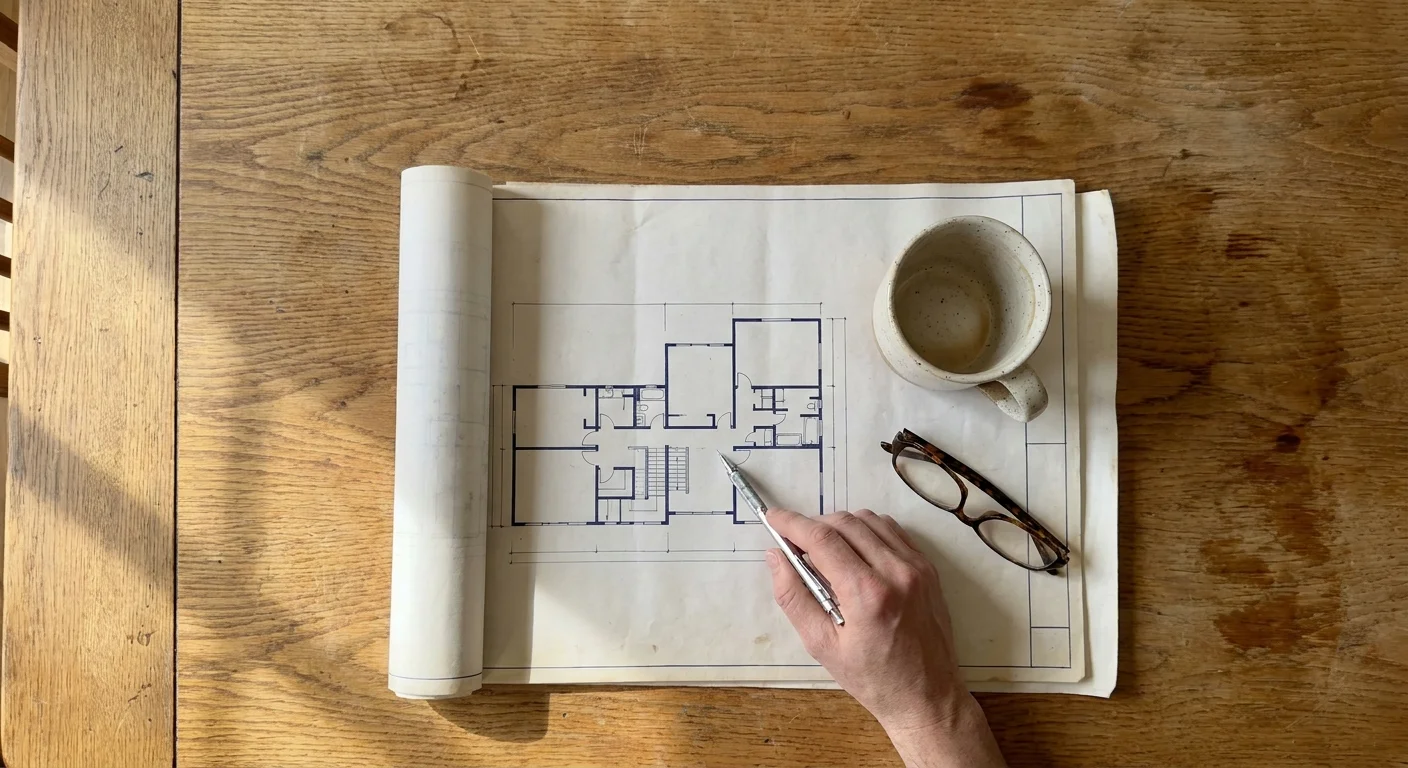
While changing cabinet pulls and installing smart bulbs are excellent weekend DIY projects, aging-in-place renovations frequently require expert intervention to ensure safety and code compliance.
- Structural Modifications: Widening exterior and interior doorways requires altering load-bearing walls. A licensed contractor must handle the framing to prevent structural sagging.
- Plumbing Relocation: Converting a standard tub into a curbless shower usually involves recessing the floor joists to achieve the necessary slope for the drain. Plumbers and specialized tile setters are essential here to guarantee the shower pan is completely waterproof.
- Electrical Upgrades: Adding new circuits for wall ovens, installing hardwired motion-sensor lighting, or lowering light switches to wheelchair-accessible heights requires a licensed electrician to safely update the home’s wiring.
Frequently Asked Questions
Will aging-in-place modifications lower my home’s resale value?
When done correctly, universal design actually increases your home’s market appeal. Features like curbless showers, deep drawer storage, and abundant lighting are highly sought after by buyers of all ages. The key is prioritizing beautiful finishes rather than utilitarian, hospital-grade materials.
What is the most cost-effective upgrade I can make today?
Swapping out standard hardware offers the highest return on investment for daily comfort. Replace round doorknobs with lever handles, install D-shaped pulls on all cabinetry, and upgrade your standard light switches to rocker panels. These changes cost very little and can be completed in a single afternoon.
How do I fund major accessibility renovations?
If paying out of pocket is not feasible, look into local grants and loan programs. Many state housing finance agencies offer low-interest loans for home modifications. Veterans may qualify for grants through the VA. Additionally, tapping into home equity through a line of credit (HELOC) provides a common path to fund larger projects like curbless showers or main-floor bedroom additions.
Are smart home devices reliable enough for senior safety?
Yes, modern smart home ecosystems are incredibly reliable when paired with a strong Wi-Fi network. Voice-activated devices offer a vital safety net, allowing users to call for help, unlock doors for emergency responders, or turn on lights without getting out of bed. However, always ensure battery backups are in place for critical systems like smoke detectors and locks.
Taking the Next Step Toward a Forever Home
Evaluating your home for accessibility does not mean stripping it of its charm or admitting defeat; it means taking control of your future comfort. Start small this weekend. Walk through your primary entryways and main living spaces, taking note of tight corners, poor lighting, or heavy doors. Make a prioritized list of the simple hardware swaps you can tackle immediately, and begin budgeting for the larger investments like flooring and bathroom remodels.
By thoughtfully integrating these seven features, you build a resilient environment that supports your lifestyle for decades to come. This article is for informational purposes. Individual results vary based on region, light levels, and care consistency. Verify current guidance with local extension services before using pesticides or herbicides.
Last updated: May 2026. Plant care guidance reflects current horticultural best practices—always observe your specific plant’s signals.